
Salads
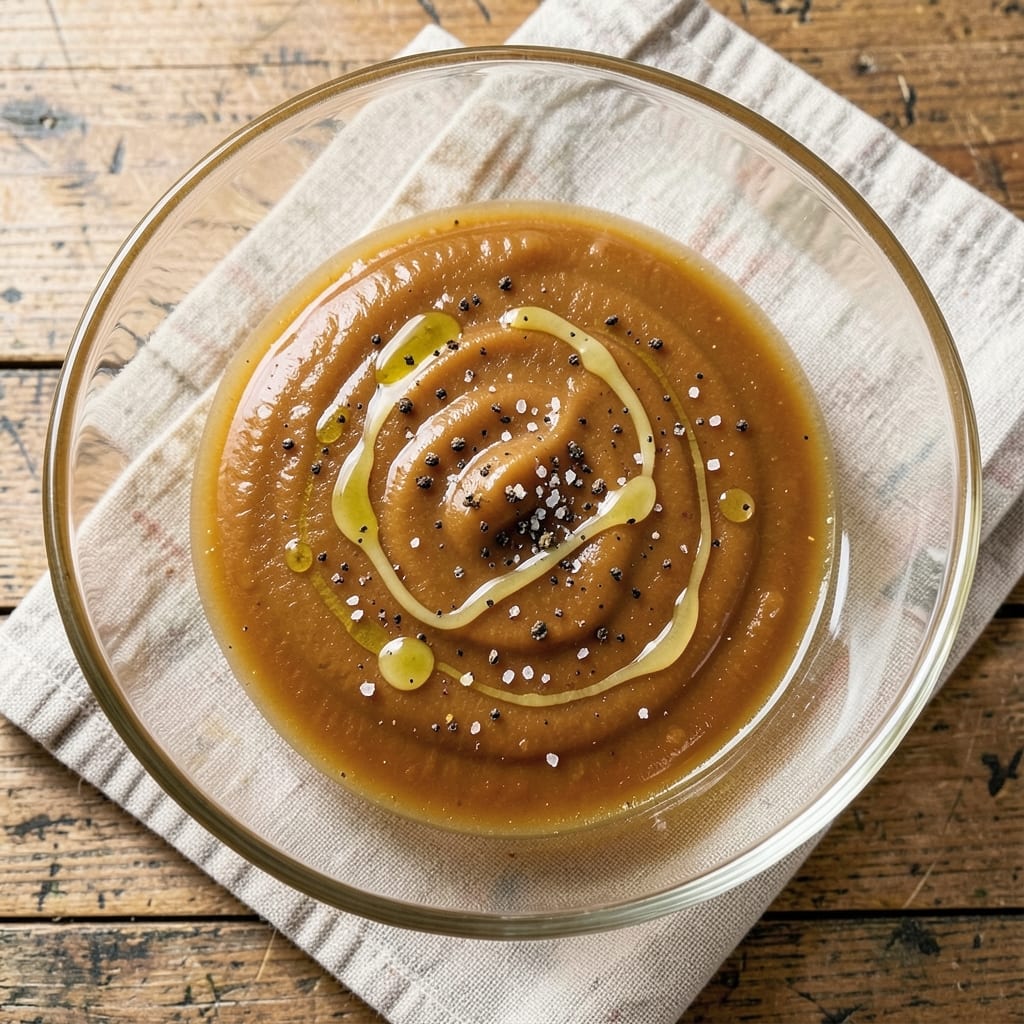
This vegan apple juice salad dressing transforms simple greens into a vibrant, flavor-packed meal with just five ingredients and a perfect sweet-tart balance. The secret lies in emulsifying apple juice with Dijon mustard and olive oil—creating a dressing that clings to every leaf while adding a bright, refreshing twist to salads. Unlike store-bought versions, this recipe stays stable for days, making it ideal for meal prep.
The dressing’s magic comes from the Dijon mustard, which acts as a natural emulsifier, binding the apple juice and oil into a silky, cohesive sauce. A touch of apple cider vinegar brightens the flavor, while a pinch of salt and black pepper rounds out the profile. It’s vegan, gluten-free, and packed with natural sweetness that pairs beautifully with arugula, spinach, or mixed greens.
What sets this dressing apart is its versatility—drizzle it over grain bowls, toss it with roasted vegetables, or use it as a marinade for tofu or chicken. The apple juice’s subtle sweetness enhances savory flavors without overpowering them, while the vinegar adds a tangy kick that keeps every bite interesting. Plus, it’s ready in just 5 minutes, with no special equipment needed.
Store any leftovers in an airtight container in the fridge for up to a week, where the flavors deepen and the dressing becomes even more flavorful. Whether you’re prepping for lunches or elevating a quick dinner, this dressing delivers restaurant-quality results with minimal effort. Let’s make it!
Ingredients for apple juice salad dressing
Five ingredients transform simple greens into a restaurant-quality vegan dressing with perfect sweet-tart balance.
| Ingredient | Amount | Notes |
|---|---|---|
| Unfiltered Apple Juice 🍎 | ½ cup | Cold-pressed preferred for depth |
| Extra-Virgin Olive Oil 🫒 | ½ cup | Light, fruity variety preferred |
| Dijon Mustard 🌶️ | 1 tbsp | High-quality, smooth texture |
| Apple Cider Vinegar 🍶 | 1 tbsp | Raw, unfiltered preferred |
| Sea Salt 🧂 | ¼ tsp | Fine grain preferred |
| Freshly Ground Black Pepper 🌶️ | ⅛ tsp | Freshly cracked for aroma |
| Fresh Lemon Juice 🍋 | 1 tsp | Optional, for brightness |
The apple juice should be unfiltered and cold-pressed for maximum depth of flavor—Trader Joe's and Whole Foods carry excellent options. For the olive oil, prioritize a light, fruity variety (avoid strong, peppery notes that can overpower the dressing). Dijon mustard is non-negotiable here; it acts as the emulsifier that binds the dressing. Maille or Bonne Maman are reliable brands, but any high-quality Dijon will work. If you prefer a smoother texture, blend the mustard with a pinch of the apple juice before mixing.
No Dijon mustard? Whole-grain mustard thinned with 1 tsp water works in a pinch, though the texture may be slightly grainier. Substitute apple cider vinegar with white wine vinegar or lemon juice (reduce to 1 tsp), but expect a slightly sharper tang. For a richer dressing, add 1 tsp maple syrup to deepen the sweetness. The lemon juice is optional but enhances brightness—skip it if you prefer a more mellow profile. Always taste as you go; the dressing should balance sweet, tart, and savory notes harmoniously.
This dressing stays fresh for up to 1 week in an airtight container in the fridge, with flavors deepening over time. For longer storage, transfer to a sterilized glass jar and refrigerate. Shake well before each use, as separation is normal. To extend shelf life, add a thin layer of olive oil on top before sealing. The dressing pairs beautifully with arugula, spinach, roasted vegetables, or grain bowls—its versatility makes it a pantry staple worth repeating.
Why You'll Love This Recipe
- No Fuss, Big Payoff: I’ll admit, I was skeptical—just whisking apple juice, oil, and vinegar? But honestly, the tangy sweetness of unfiltered apple juice cuts through greens like a dream, and the Dijon mustard adds that je ne sais quoi without extra effort. Three ingredients, one bowl, done.
- Taste That Sticks: That first bite? The apple juice brings this dressing to life—bright, slightly tart, with a smooth finish from the olive oil. The apple cider vinegar keeps it sharp, while the sea salt rounds it out. It’s the kind of flavor that makes you pour more, even if you’re not supposed to.
- Pantry Staple Magic: I keep this in my fridge year-round because it’s always useful. Drizzle it over summer salads, toss it with roasted veggies, or even use it as a marinade for chicken. The unfiltered apple juice gives it a depth that store-bought dressings can’t match—plus, it’s cheaper than buying fancy bottles.
- Make It Once, Use It Twice: Between us, I’ve had this dressing last me weeks because it’s so versatile. The mustard and vinegar keep it from going flat, and the olive oil adds richness that doesn’t spoil fast. I’ll make a big batch on Sunday, and by Wednesday, it’s still my go-to for whatever I’m cooking. No waste, all flavor.
Step-by-step instructions for apple juice salad dressing
This dressing delivers a perfect balance of sweet apple notes and bright acidity—ideal for crisp greens.
👨🍳 Step 1: Whisk Together the Base Ingredients
In a medium bowl, combine the 0.5 cup unfiltered apple juice and 0.5 cup extra-virgin olive oil. I use a whisk for this step—it creates a smooth emulsion right from the start. The apple juice should be cold-pressed for maximum depth of flavor, so if you're using store-bought, make sure it's labeled as such.
Add the 1 tablespoon Dijon mustard and 1 tablespoon apple cider vinegar. The vinegar will cut through the sweetness of the apple juice while the mustard adds a subtle tang and helps thicken the dressing slightly. Whisk vigorously for 30 seconds to fully incorporate all ingredients. You'll notice the mixture begins to thicken as the mustard emulsifies with the oil.
👨🍳 Step 2: Season and Adjust for Balance
Add the 0.25 teaspoon sea salt and 0.125 teaspoon freshly ground black pepper to the bowl. The salt enhances all flavors while the pepper adds a subtle warmth that complements the apple's natural sweetness. I always use freshly ground pepper because pre-ground loses its aroma quickly.
For an extra layer of brightness, add the 1 teaspoon fresh lemon juice—this is optional but recommended. It adds a citrusy lift that prevents the dressing from tasting too flat. Taste the mixture now and adjust seasoning if needed. If it tastes too sweet, add a touch more vinegar. If it needs more body, whisk in another teaspoon of mustard.
🥘 Step 3: Emulsify for Silky Texture
Transfer the dressing to a clean, dry jar with a tight-fitting lid. Seal it and shake vigorously for 10-15 seconds. This step is crucial—it ensures the oil and juice fully emulsify, creating a smooth, velvety texture rather than a separated dressing. I like to hold the jar with one hand and shake with the other in a figure-eight motion for even distribution.
After shaking, give the jar another quick taste. The dressing should now have a balanced sweet-tart profile with a smooth mouthfeel. If it still feels too thin, add another teaspoon of Dijon mustard and shake again. If it's too thick, whisk in a tablespoon of water or apple juice to loosen it. The ideal consistency should coat the back of a spoon without being syrupy.
⏰ Step 4: Rest and Serve
Let the dressing sit at room temperature for 5-10 minutes before using. This resting period allows the flavors to meld completely. I often make this dressing the night before so the flavors have even more time to develop—it tastes even better after a few hours.
Give the jar one final shake before serving. This dressing pairs beautifully with crisp greens like arugula or romaine, but also works with roasted vegetables or as a marinade for grilled chicken. Store any leftovers in the refrigerator for up to 5 days, shaking well before each use to re-emulsify. The flavors will continue to deepen over time, making it even more complex with each passing day.
Pro Tips For Making Apple Juice Salad Dressing
- Whisk in Stages: Start with just the mustard and apple juice—mix until smooth, then slowly drizzle in the olive oil while whisking. This prevents the dressing from breaking into clumps (yes, even with unfiltered juice, which has more pulp than you’d think).
- Use Cold Juice: Chill your unfiltered apple juice for at least 30 minutes before mixing. Cold juice emulsifies better with the oil and vinegar, so you’ll get a smoother dressing the first time—no last-minute straining or awkward fixes.
- Salt the Mustard: Mix the salt directly into the Dijon before adding anything else. This dissolves fully and seasons the whole dressing evenly, not just the finished product. (I learned this after tasting a dressing where the salt was just… hiding.)
- Measure Vinegar Precisely: Use a 1:1 ratio of apple cider vinegar to apple juice (e.g., ¼ cup each) unless you love tang. Too much vinegar overpowers the sweetness, and too little makes the dressing flat—trust the scale or a jigger, not your eyeball.
Essential equipment for great apple juice salad dressing
Basic Mixing Tools
You don’t need fancy equipment—just a medium mixing bowl and a whisk (or fork in a pinch). I recommend a stainless steel whisk like the OXO Good Grips for durability and even emulsification. A glass measuring cup works perfectly for combining the apple juice and olive oil before whisking. 🌶️
Storage Containers
For optimal freshness, store leftovers in an airtight glass jar with a tight-sealing lid—I love Le Parfait 16-ounce jars for their leak-proof design. Mason jars also work well, but ensure they’re clean and dry to prevent mold. A small squeeze bottle (like OXO Good Grips) is ideal for drizzling directly over salads without making a mess.
Optional Emulsifiers
If your dressing separates unexpectedly, keep xanthan gum or arrowroot powder on hand as a backup emulsifier. A pinch (⅛ tsp) of either mixed with a splash of water can save a separated batch. For extra stability, some chefs swear by a handheld immersion blender—though it’s overkill for this simple recipe, it’s great for larger batches.
Juice Extraction Tools
For the freshest apple juice, invest in a slow juicer like the Breville BJE200XL if you’re making this dressing often. Store-bought unfiltered apple juice (from Trader Joe’s or Whole Foods) works just fine for convenience. Avoid pasteurized juice—it lacks the depth of flavor that makes this dressing shine. 🍎
Measurement Essentials
Precision matters here! Use a digital kitchen scale for accurate measurements of salt and pepper—OXO’s 11-pound model is my go-to. For liquids, a clear glass measuring cup with markings ensures you get the exact 0.5 cup of apple juice and olive oil. A small spoon (like Pyrex’s 1-tbsp measure) keeps your mustard and vinegar portions spot-on.
Nutrition facts
Frequently asked questions
Can I make this dressing without Dijon mustard?
Yes! Use 1 tbsp whole-grain mustard thinned with 1 tsp water—it’ll be slightly grainier but still work. For a smoother texture, blend 1 tsp cornstarch with 1 tbsp water and whisk it into the dressing instead. The mustard is key for emulsification, so avoid skipping it entirely.
How do I fix a separated dressing?
Shake the jar vigorously for 20-30 seconds to re-emulsify. If it still separates, whisk in ½ tsp xanthan gum mixed with 1 tsp water or blend briefly with an immersion blender. For future batches, use 1 extra tsp Dijon mustard to prevent separation.
What greens pair best with this dressing?
This dressing shines with arugula, spinach, romaine, or mixed greens. Its sweet-tart balance also works beautifully with shredded cabbage, kale, or roasted Brussels sprouts. For a protein boost, toss with grilled chicken, chickpeas, or avocado slices.
Can I use this dressing for other dishes?
Drizzle it over grain bowls, roasted vegetables, or grilled fish. It also makes a great marinade for tofu or chicken—let it sit for 15-20 minutes before cooking. For a dessert twist, use it as a dip for apple slices or cinnamon toast.
Why does my dressing taste too sweet?
Add ½ tsp more apple cider vinegar to balance the sweetness. For a deeper flavor, whisk in ½ tsp fresh lemon juice or a pinch of ground cinnamon. Always taste as you go—adjust gradually to avoid overpowering the apple notes.