
Salads
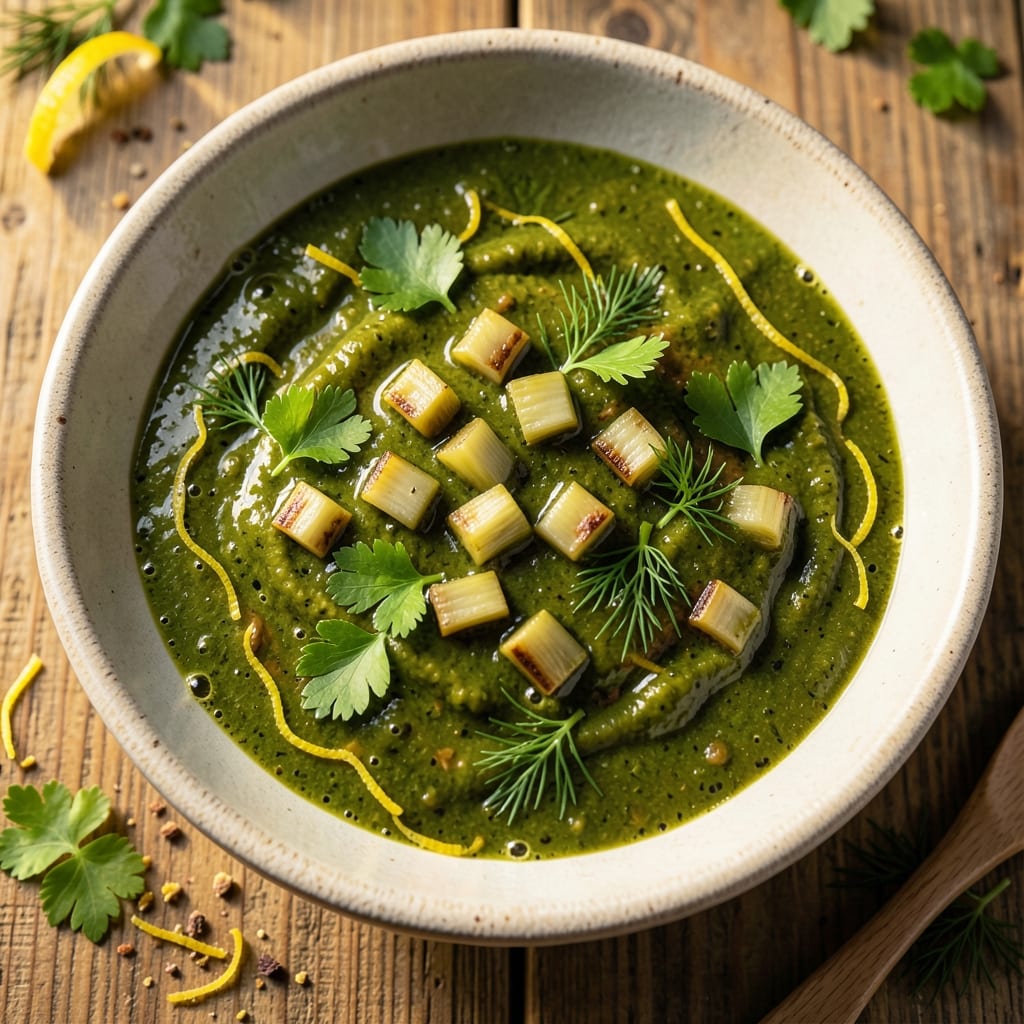
This artichoke salad dressing recipe transforms humble greens into a gourmet experience with its vibrant, herb-infused tang and silky texture. The secret lies in blending artichoke hearts with garlic, lemon, and olive oil for a dressing that clings beautifully to salads without separating. Perfect for vegetarian dishes, it also adapts seamlessly to vegan diets with simple swaps.
What sets this dressing apart is its balanced flavor profile—bright lemon cuts through the earthy artichoke, while fresh herbs add depth without overpowering. The emulsification technique ensures a smooth, lump-free consistency, making it ideal for everything from crisp arugula salads to hearty grain bowls. Storage is effortless: keep it refrigerated for up to a week or freeze for longer shelf life.
The result is a dressing that elevates any salad from ordinary to extraordinary, with a rich, tangy profile that pairs beautifully with grilled proteins or roasted vegetables. Its versatility makes it a staple for meal prep, and the ingredients are simple yet impactful—no shortcuts, just bold flavor. Let’s dive into the recipe.
Whether you’re dressing a light spring salad or a robust winter bowl, this artichoke dressing delivers restaurant-quality results at home. The key? Fresh ingredients and a method that guarantees no clumps or separation. Here’s how to make it.
Ingredients for artichoke salad dressing
Ten ingredients blend artichoke's earthy depth with bright herbs and citrus for a dressing that clings without clumping.
| Ingredient | Amount | Notes |
|---|---|---|
| Canned Artichoke Hearts 🍃 | 1 cup | Drained, chopped into small pieces |
| Extra-Virgin Olive Oil 🫒 | ¾ cup | High-quality, fruity variety preferred |
| Fresh Lemon Juice 🍋 | ½ cup | Freshly squeezed, strained |
| Garlic Cloves 🧄 | 4 cloves | Minced, not powdered |
| Fresh Parsley 🌿 | ¼ cup | Finely chopped, stems included |
| Fresh Dill 🌿 | ¼ cup | Finely chopped, stems included |
| Dijon Mustard 🍯 | 1 tbsp | For emulsification, not powdered |
| Agave Nectar 🍯 | 1 tbsp | Or maple syrup for sweetness |
| Diamond Crystal Kosher Salt 🧂 | 1 tsp | Adjust to taste, not iodized |
| Freshly Ground Black Pepper 🌶️ | ½ tsp | Freshly cracked for best flavor |
The artichoke hearts form the dressing's signature base, so high-quality canned hearts are essential—look for brands like Muir Glen or Whole Foods Market for vibrant, tender pieces. Fresh herbs elevate the flavor profile; Trader Joe's often carries pre-washed parsley and dill bundles that save time. For the olive oil, California Olive Ranch or Bertolli extra-virgin varieties provide the fruity notes that prevent bitterness. The Dijon mustard acts as the emulsifier, ensuring a silky texture—Amora or Maille brands are reliable choices. Lemon juice should be freshly squeezed; bottled versions lack the bright acidity needed to balance the artichoke's earthiness.
No fresh dill? Fresh tarragon or basil at half the amount works well, though flavor shifts slightly. Substitute agave with maple syrup or honey if preferred, though honey would make it non-vegetarian. For those without Dijon mustard, whole-grain mustard blended with water achieves similar results. The garlic can be roasted for a milder profile—simply wrap whole cloves in foil, bake at 400°F for 15 minutes, then mince. If artichoke hearts aren't available, sun-dried tomatoes or roasted red peppers add depth, though texture differs.
This dressing maintains peak freshness for 7 days refrigerated in an airtight jar, though flavors deepen after 24 hours. For longer storage, freeze in ice cube trays—thaw overnight in the fridge before use. To prevent separation, whisk vigorously before each use or store the mustard separately and mix just before serving. The emulsification technique guarantees no clumps, making it ideal for meal prep. Portion into small containers for salads throughout the week, or use as a marinade for grilled vegetables.
Why You'll Love This Recipe
- No Chopping Needed: I swear by this for lazy nights—just drain those canned artichokes, toss them with olive oil, garlic, and lemon, then pulse in a food processor. Five minutes flat, and zero knife work.
- Tangy Garlic Magic: That bright lemon and raw garlic punch cuts through anything—grilled meats, crusty bread, or even plain ol’ pasta. Honestly, the first time I drizzled it over roasted chicken, my partner stole the last bite.
- Dresses Any Meal: Slather it on sandwiches, toss it with greens, or use it as a marinade. Between us, I’ve even spooned it straight from the jar when I’m too tired to cook. (Yes, even on a Tuesday night.)
- Budget-Friendly Pantry Staple: Canned artichokes and olive oil last forever, and you’re using up garlic and parsley you already have. I made a whole batch last summer and still have half—because it keeps like a dream.
Step-by-step instructions for artichoke salad dressing
This method ensures a perfectly emulsified dressing with vibrant herb notes and no separation.
Prepare the Artichoke Hearts
Drain the 1 cup canned artichoke hearts thoroughly and pat them completely dry with paper towels. I chop them into small, even pieces using a sharp knife—about ¼-inch cubes. This size ensures they blend smoothly without leaving noticeable chunks in your dressing.
Transfer the chopped artichokes to a small bowl and set aside. The drying step is crucial—any moisture will prevent proper emulsification later. If you notice any water clinging to the artichokes, blot them again with paper towels before proceeding.
Combine Wet Ingredients
In a blender or food processor, combine the 0.75 cup extra-virgin olive oil, 0.5 cup fresh lemon juice, 1 tbsp Dijon mustard, and 1 tbsp agave nectar. I use a high-quality, fruity olive oil here—the subtle flavor nuances will shine through in the final dressing.
Blend these ingredients on medium speed for 10-15 seconds until completely smooth. The Dijon mustard acts as an emulsifier, which is key to preventing separation later. If you're using maple syrup instead of agave nectar, the flavor will be slightly richer but equally effective.
Incorporate Aromatics and Herbs
Add the 4 minced garlic cloves, 0.25 cup finely chopped fresh parsley, and 0.25 cup finely chopped fresh dill to the blender. The herbs should be stems included—this maximizes flavor without adding bitterness. Pulse the mixture for 5-7 seconds just until the herbs are finely chopped but not completely liquefied.
Here's the thing—over-blending turns the herbs into a paste, which can make the dressing taste bitter. You want visible herb flecks that will distribute beautifully throughout your salad. Taste the mixture at this stage—it should be tangy, herby, and slightly sweet from the agave nectar.
Blend with Artichokes for Emulsification
Add the prepared artichoke hearts to the blender and blend on medium-high speed for 20-30 seconds until completely smooth. The artichokes should disappear entirely, creating a velvety texture. If you prefer some texture, pulse briefly instead of blending continuously.
This is where the magic happens—the artichokes add body and a subtle earthiness that balances the bright lemon and fresh herbs. The blending process creates a stable emulsion where the oil and lemon juice stay suspended rather than separating. If you notice any separation after blending, simply re-blend for another 10 seconds.
Season and Adjust Consistency
Transfer the dressing to a bowl and stir in the 1 tsp diamond crystal kosher salt and 0.5 tsp freshly ground black pepper. Taste and adjust the seasoning—you might need a pinch more salt or a splash more lemon juice to balance the flavors. The dressing should be tangy, herby, and well-seasoned.
For a thinner dressing, gradually add 1-2 tablespoons of water while whisking. For a thicker dressing, blend for an additional 10 seconds to break down any remaining air bubbles. The dressing should coat the back of a spoon but still flow easily. Store in an airtight container in the refrigerator for up to 1 week—shake well before each use.
Pro Tips For Making Artichoke Salad Dressing
- Drain and Rinse Hearts Thoroughly: That brine in canned artichokes? It’s salty enough to make you wince if you don’t rinse properly. Dump the hearts into a colander, give them a good shake, then run cold water over them—especially if you’re using them in a dressing where every drop of flavor counts. I learned this the hard way when my first batch tasted like a pickle jar exploded.
- Pulse Garlic, Don’t Mince: Chopping garlic for this dressing is asking for trouble—it burns fast and turns bitter. Toss the peeled cloves in the food processor with the artichokes and a splash of olive oil first, then pulse until you’ve got a rough paste. The oil protects the garlic while blending, and you’ll get a smoother texture without the risk of overcooking.
- Balance Lemon with Taste Tests: Squeeze that lemon too early, and you’ll regret it—artichokes need acid to brighten, but too much turns the dressing into a sad, puckery mess. Start with half the juice called for, blend, then taste. Adjust one teaspoon at a time until the lemon cuts through the richness without overpowering. (Yes, even if you’re impatient like me.)
- Toast Parsley in the Oil: Fresh parsley loses its punch when drowned in raw lemon. Heat a tablespoon of olive oil in a small pan until shimmering, toss in the chopped parsley, and let it sizzle for 20 seconds—just until fragrant. Let it cool, then fold it into your dressing. The oil infuses the parsley’s flavor, making it taste like it’s been simmering for hours. (Your future self will notice.)
Flavor customization for this artichoke salad dressing
Herb Variations
Swap out parsley and dill for other Mediterranean herbs to change the flavor profile completely. Try 1 tbsp fresh oregano and 1 tbsp fresh thyme for a more rustic, garden-fresh taste—perfect for grilled vegetable salads. For a brighter twist, replace dill with 1 tbsp fresh basil and add ½ tsp lemon zest to enhance the citrus notes. 🌿
Spicy Kick
Add heat with ½ tsp red pepper flakes or 1 tsp hot honey for a sweet-spicy balance. For smoky depth, blend in ½ tsp smoked paprika with the garlic. If you love bold flavors, try 1 tsp harissa paste instead of Dijon mustard—it adds a North African warmth that pairs beautifully with the artichoke’s earthiness.
Sweet-Tangy Balance
Adjust the sweetness by swapping agave for 1 tbsp balsamic vinegar to deepen the tang. For a fruitier profile, blend in 2 tbsp finely chopped fresh figs or 1 tbsp sun-dried tomato paste. These additions work especially well with grain bowls or roasted chicken salads, adding complexity without overpowering the dressing.
Creamy Vegan Twist
For a richer texture without dairy, blend in 2 tbsp silken tofu or 1 tbsp tahini with the wet ingredients. The tahini adds a nutty depth that complements the artichoke’s earthiness. If you prefer a lighter option, whisk in 1 tbsp aquafaba (chickpea brine) for a vegan mayo-like consistency that still emulsifies beautifully.
Seasonal Adaptations
In summer, boost freshness with 1 tbsp finely chopped mint or ½ tsp grated ginger. For fall, add ½ tsp ground cinnamon and 1 tbsp apple cider vinegar to create a cozy, autumnal dressing. Winter calls for warming spices like ½ tsp ground coriander and a pinch of nutmeg, which pair well with hearty winter greens like kale or Brussels sprouts.
Nutrition facts
Frequently asked questions
Can I use fresh artichokes instead of canned hearts?
Fresh artichokes work, but they require extra prep time. Trim off the tough outer leaves, cut off the top third, and remove the fuzzy choke before slicing the remaining heart into small pieces. Steam or boil for 10-12 minutes until tender, then cool completely before blending into the dressing. Fresh artichokes add a slightly more delicate flavor but require more effort than canned hearts.
Why did my dressing separate? How can I fix it?
Separation usually happens when moisture isn't fully removed from the artichokes or the emulsion isn't properly stabilized. Whisk vigorously for 1-2 minutes to re-emulsify, or blend again briefly. For future batches, ensure artichokes are completely dry and add the mustard and oil gradually while blending. A splash of cold water can also help re-stabilize the emulsion.
Is this dressing vegan?
Yes, but with one small adjustment: swap agave nectar for maple syrup or date syrup to ensure it's fully plant-based. The original recipe uses agave, which is vegan, but maple syrup adds a slightly richer flavor. All other ingredients are naturally vegan, and the dressing works beautifully with plant-based salads or grain bowls.
How long will this dressing keep?
Store in an airtight container in the fridge for up to 7 days, though flavors actually improve after 24 hours as the ingredients meld together. For longer storage, freeze in ice cube trays—thaw overnight in the fridge before using. Always shake well before serving, as separation may occur during storage, but it re-emulsifies easily with whisking.
What salads pair best with this dressing?
This dressing shines with bitter greens like arugula, frisée, or endive, but also works beautifully with hearty salads like farro bowls, roasted vegetable platters, or grilled chicken salads. Its tangy, herby profile balances rich ingredients like avocado, goat cheese, or nuts. For extra flair, drizzle over warm grain salads or use as a marinade for grilled vegetables.