
Salads
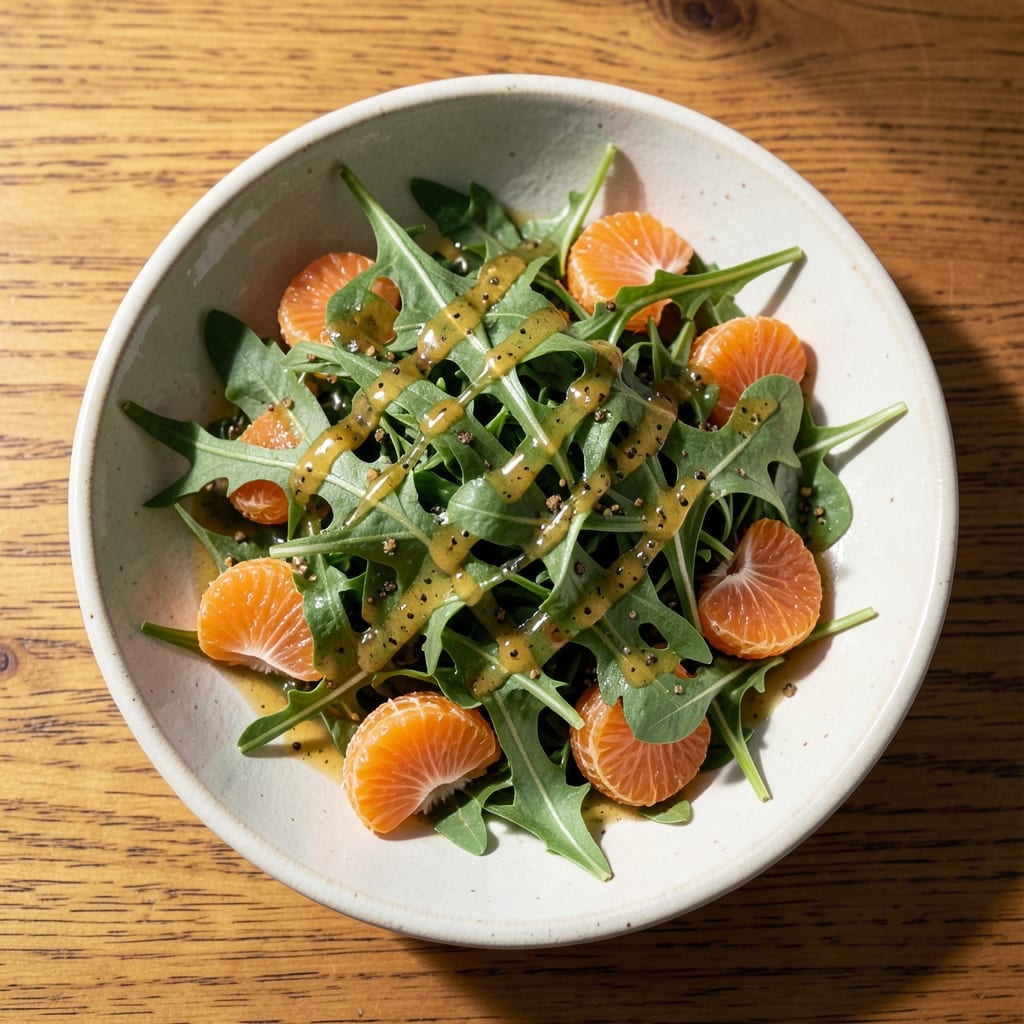
This arugula and orange salad recipe transforms simple ingredients into a vibrant dish that balances peppery greens with sweet citrus in every bite. The secret lies in fresh, segmented oranges that brighten the earthy arugula while a light vinaigrette ties everything together—no heavy dressings here. I developed this recipe after realizing how often salads could use a citrusy lift, and the results are always refreshing and satisfying.
The beauty of this salad is its simplicity: just arugula, oranges, and a few pantry staples come together in minutes. Toasted nuts or shaved cheese add texture, while the dressing—made with olive oil, orange juice, and a touch of honey—enhances the natural flavors without overpowering them. It’s the kind of dish that feels both elegant and effortless, perfect for weeknight dinners or as a side for grilled proteins.
What you’ll end up with is a salad that’s visually stunning—deep green arugula, jewel-toned orange segments, and optional garnishes like pomegranate seeds or candied walnuts. The flavors play off each other beautifully: the peppery bite of arugula contrasts with the sweetness of the oranges, while the dressing adds a tangy finish. It’s a vegetarian powerhouse that’s light yet filling, with every component working in harmony.
This salad is incredibly versatile—serve it as a main dish with grilled chicken or fish, or keep it vegetarian for a bright, satisfying meal. The recipe scales easily, so you can adjust the ingredients to suit your taste or what’s in season. Let’s get started on creating this balanced, flavorful dish that’s as nutritious as it is delicious.
Ingredients for arugula and orange salad
Fresh arugula and citrus segments create this vibrant salad's perfect balance of peppery and sweet notes.
| Ingredient | Amount | Notes |
|---|---|---|
| Baby Arugula 🌱 | 6 oz | Fresh, vibrant leaves preferred |
| Navel Oranges 🍊 | 2 whole | Segments only, seeds removed |
| Extra-Virgin Olive Oil 🫒 | ¼ cup | High-quality, fruity variety |
| Fresh Orange Juice 🍊 | ¼ cup | Freshly squeezed, no pulp |
| Honey 🍯 | 1 tbsp | Wildflower preferred for floral notes |
| Dijon Mustard 🌶️ | 1 tsp | For subtle tang in dressing |
| Apple Cider Vinegar 🍶 | 1 tsp | Balances sweetness in dressing |
| Sea Salt 🧂 | ½ tsp | Fine grain for delicate seasoning |
| Freshly Ground Black Pepper 🌶️ | ¼ tsp | Freshly cracked for optimal flavor |
| Pecorino Romano Cheese 🧀 | ½ cup | Finely shaved, optional garnish |
| Toasted Walnuts 🥜 | ½ cup | Lightly toasted, chopped |
| Pomegranate Seeds 🍇 | ¼ cup | Optional garnish for crunch |
The arugula should be bright green and crisp—avoid wilted leaves. Local farmers markets often carry the freshest baby arugula, but any well-stocked grocery store's produce section works. For oranges, navel oranges are ideal—they're seedless and sweeter than other varieties. If using blood oranges, their deeper color adds stunning visual contrast. Shave the zest from one orange separately if you want to incorporate it into the dressing for extra aroma. Toast your walnuts lightly in a dry pan until fragrant—they'll add rich depth to the salad's texture and flavor profile.
No fresh orange juice? Freshly squeezed grapefruit juice works equally well, though it'll have a slightly different tartness. Substitute honey with maple syrup if you prefer a less floral note, though honey's floral undertones complement the citrus beautifully. For a dairy-free option, omit the Pecorino and use toasted pumpkin seeds instead. The dressing can be made up to 2 days ahead and stored in the fridge—just whisk vigorously before using. If your arugula starts to wilt, toss it with a splash of water and fresh lemon juice to revive it before assembling the salad.
This salad keeps best when stored in an airtight container with the dressing on the side—combine just before serving to maintain crispness. Pomegranate seeds should be added fresh as a garnish since they lose their crunch when refrigerated. The dressing will thicken slightly in the fridge—thin with a splash of water or extra orange juice if needed. For a make-ahead option, store the arugula and orange segments separately in containers and assemble with the dressing when ready to serve. The salad holds up well for up to 24 hours in the fridge, though texture may soften slightly.
Why You'll Love This Recipe
- No Chopping Needed: I swear by this—just tear that arugula into bite-sized pieces (no knife required) and segment the oranges with my fingers while watching TV. Five minutes, tops.
- Bright & Tangy Magic: That honey-orange dressing? It’s where the real magic happens—sweet, sharp, and silky all at once. The olive oil ties it together without overpowering the citrus.
- Weeknight or Party Ready: Serve it as a light lunch or toss it onto grilled chicken for dinner. Honestly, I’ve even used it as a fancy side at book club—no one ever questions the simplicity.
- Budget-Friendly Freshness: Arugula and oranges stay crisp for days, so I make a big batch and use it in wraps, grain bowls, or even as a bed for fish. Minimal waste, maximum flavor.
Step-by-step instructions for arugula and orange salad
This vibrant salad balances peppery greens with citrus brightness through precise technique and ingredient timing.
Prepare the Orange Segments
Cut the 2 whole Navel Oranges in half crosswise and remove any seeds. Using a sharp knife, carefully slice between the membranes to release 4-5 segments per orange. I work over a small bowl to catch any juice that escapes—this fresh orange juice will become part of our dressing. The segments should be uniform in size to ensure even distribution when tossed with the arugula.
As you work, take a moment to appreciate the natural sweetness of the oranges. Navel oranges are ideal here because their thick skin makes them easier to segment cleanly, and their mild flavor won't overpower the delicate arugula. Set the segments aside while you prepare the remaining ingredients—we'll add them just before serving to maintain their crisp texture and vibrant color.
Whisk Together the Dressing Components
In a medium bowl, combine the 0.25 cup fresh orange juice, 0.25 cup extra-virgin olive oil, 1 tbsp honey, 1 tsp Dijon mustard, and 1 tsp apple cider vinegar. Using a whisk, blend these ingredients vigorously for about 30 seconds until fully emulsified. The mixture should become smooth and slightly thickened—this indicates proper emulsification of the oil and citrus.
Next, season the dressing with 0.5 tsp sea salt and 0.25 tsp freshly ground black pepper. Taste the dressing before proceeding. The balance should be harmonious: bright from the citrus, slightly sweet from the honey, with a subtle tang from the mustard and vinegar. If you find it needs more acidity, add a pinch more apple cider vinegar; if it needs more sweetness, add a touch more honey. This is where the magic happens—getting the dressing just right ensures every bite is perfectly balanced.
Assemble the Salad Base
Gently place the 6 oz baby arugula in a large serving bowl. The leaves should be vibrant and fresh—avoid packing them down, as this can make them wilt. Add the 0.5 cup toasted walnuts and 0.25 cup pomegranate seeds, distributing them evenly over the arugula. The walnuts provide a satisfying crunch, while the pomegranate seeds add a burst of color and sweet-tart contrast that complements the citrus.
Lightly drizzle half of the prepared dressing over the salad and toss gently with your hands or a large spoon. The goal is to coat the arugula evenly without bruising the delicate leaves. I like to work in sections, folding the salad over itself to ensure every leaf gets dressed. The dressing should cling to the greens, enhancing their natural peppery flavor while mellowing their intensity slightly.
Final Assembly and Serving
Just before serving, add the prepared orange segments to the salad. The warmth of the oranges will contrast beautifully with the cool, dressed greens. Sprinkle the 0.5 cup finely shaved Pecorino Romano cheese over the top—its salty, umami notes will elevate the entire dish. The cheese should be shaved thinly so it melts slightly when the salad is served, creating a creamy texture that coats each bite.
Toss the salad one final time, just enough to distribute the orange segments and cheese evenly. Serve immediately while the oranges are still crisp and the dressing is vibrant. This salad shines when enjoyed fresh, with the contrast of temperatures and textures creating an unforgettable experience. For best results, prepare it just before serving to maintain the perfect balance of flavors and textures.
Pro Tips For Making Arugula And Orange Salad
- Trim the Oranges Right: DESCRIPTION: Use a sharp knife to slice off the peel in one continuous strip—no peeling required. Then, cut between membranes to release segments cleanly. I learned this the hard way after struggling with a dull knife and ending up with orange mush in my salad.
- Dress It Last: DESCRIPTION: Toss the arugula and orange segments dry first, then drizzle the olive oil, orange juice, and honey right before serving. The greens wilt faster than you think, and dressing early makes them soggy—especially if you’re prepping ahead.
- Balance the Honey: DESCRIPTION: Start with half the honey called for, taste, then adjust. Fresh orange juice is tart, and arugula’s peppery bite can overpower sweetness. I used to overdo it until I realized less honey lets the citrus shine.
- Use Cold Juice: DESCRIPTION: Chill the fresh orange juice in the fridge for 10 minutes before mixing. Warm juice dulls the brightness of the salad, and cold juice keeps the arugula crisp longer. Sounds small, but it makes a real difference in texture.
Perfect pairings for these flavors
Citrus-Inspired Drinks
Pair this salad with a refreshing sparkling blood orange soda—mix ½ cup fresh blood orange juice, ½ cup sparkling water, and a splash of honey syrup (equal parts honey and warm water). The effervescence cuts through the salad's richness while enhancing the citrus notes. For a non-alcoholic option, try sparkling rosé chilled to 45°F—its crisp acidity mirrors the salad's brightness. 🍾
Protein Additions
Turn this salad into a complete meal by adding grilled chicken breast (seasoned with 1 tsp smoked paprika and ½ tsp garlic powder) or seared shrimp (tossed in 1 tbsp olive oil and ½ tsp chili flakes). The protein's warmth contrasts beautifully with the cool salad, while the spices complement the citrus. For a vegetarian option, top with toasted chickpeas (tossed in 1 tbsp olive oil and ½ tsp cumin, baked at 400°F for 20 minutes).
Seasonal Garnishes
Elevate the salad with seasonal garnishes: In spring, add edible flowers (like nasturtiums) for a pop of color and subtle peppery notes. In fall, swap pomegranate seeds for candied pecans (toss ½ cup pecans with 1 tbsp maple syrup and ½ tsp cinnamon, bake at 350°F for 8 minutes). For winter, try pickled red onions (slice ½ red onion thinly, soak in ¼ cup apple cider vinegar and 1 tsp sugar for 30 minutes) to add tangy contrast. ✨
Bread Pairings
Serve with crusty sourdough bread toasted with garlic-infused olive oil—the bread's chewy texture soaks up any leftover dressing beautifully. For a lighter option, offer warm focaccia topped with flaky sea salt and a drizzle of honey. The bread's airy crumb contrasts perfectly with the salad's crisp greens and juicy oranges, making every bite more satisfying. 🥖
Dessert Complements
Balance the meal with a lemon posset (chilled 1 cup heavy cream, ½ cup lemon juice, and 3 tbsp sugar simmered until thickened) or orange sorbet (blend 2 cups orange juice, ½ cup sugar, and 1 tsp orange zest, freeze for 4 hours). The dessert's tartness echoes the salad's citrus, while its cool texture provides a refreshing finish. For a simpler option, serve honey-drizzled figs**—their natural sweetness complements the salad's bright flavors. 🍋
Nutrition facts
Frequently asked questions
Can I use regular oranges instead of navel oranges?
Yes, but navel oranges are ideal because they're seedless and sweeter. If using other varieties like Valencia or Cara Cara, remove all seeds and membranes carefully. Blood oranges add stunning color but may have a slightly different flavor profile—adjust honey in the dressing to balance their natural tartness.
How do I keep the arugula crisp for longer?
Store the arugula and dressing separately in an airtight container. Add dressing just before serving to prevent wilting. For extra crispness, rinse leaves in cold water, spin dry thoroughly, and store in a paper towel-lined container. This salad is best enjoyed fresh within 24 hours of preparation.
What if I don't have Pecorino Romano?
Try shaved Parmesan, Asiago, or even a hard goat cheese for a different flavor profile. For a dairy-free option, omit the cheese and add extra walnuts or toasted pumpkin seeds. The key is to maintain the salad's texture contrast—just adjust the quantity to taste.
Can I make this salad ahead of time?
Prepare the dressing and store it separately up to 2 days ahead. Assemble the salad just before serving to maintain crispness. For make-ahead convenience, store the arugula and orange segments separately in containers and combine with dressing when ready. The flavors meld beautifully after 30 minutes of resting.
How can I make this salad more substantial?
Add protein like grilled chicken, seared shrimp, or toasted chickpeas. For extra heartiness, fold in cooked quinoa or farro. The salad's citrus brightness pairs perfectly with warm proteins—just add them just before serving to maintain texture contrast.