
Sauces & Condiments
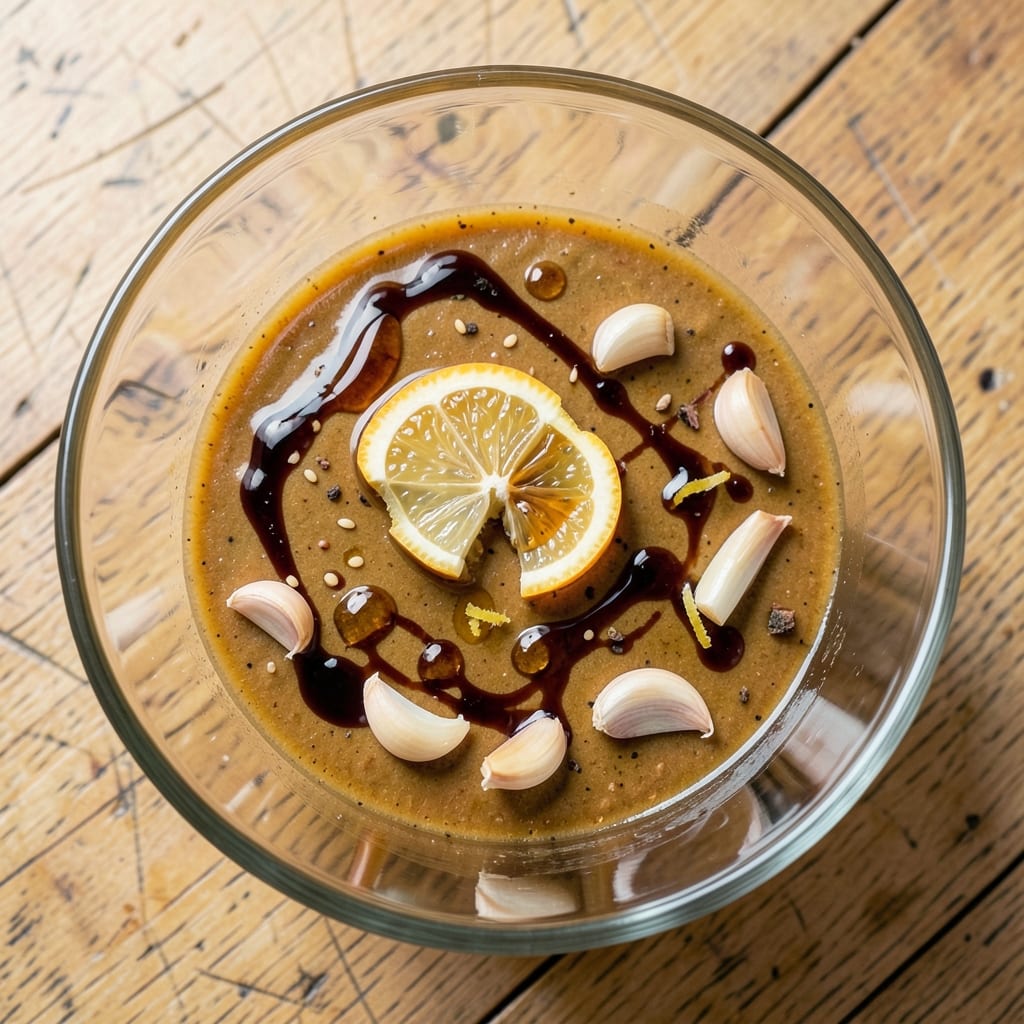
This Asian beef salad dressing recipe delivers the perfect balance of sesame-ginger zing and umami depth to elevate any dish. 🌟 The secret lies in combining toasted sesame oil, tangy rice vinegar, and a touch of honey for that signature sweet-savory harmony. What sets this apart is the use of fresh ginger and garlic, which infuse the dressing with warmth and complexity without overpowering the delicate flavors of your beef salad.
Crafted with simple pantry staples, this dressing takes just 5 minutes to whip up and requires no cooking—simply whisk together the ingredients until smooth. The result is a glossy, aromatic sauce that clings beautifully to greens, proteins, and crunchy vegetables, transforming an ordinary salad into a restaurant-worthy meal. The umami comes from soy sauce and a splash of fish sauce, while sesame seeds and chili flakes add texture and a subtle kick.
What makes this dressing truly versatile is its ability to adapt to different tastes and occasions. Use it as a quick marinade for grilled beef, a dipping sauce for spring rolls, or a finishing touch for noodle bowls. The dressing keeps well in the fridge for up to 10 days, allowing you to make a batch ahead and enjoy it all week long. Its rich, layered flavors make it a staple in any kitchen, especially for those who love bold yet balanced Asian-inspired dishes.
For an extra touch of sophistication, garnish with toasted sesame seeds or a sprinkle of red pepper flakes before serving. This dressing isn’t just about flavor—it’s about transforming simple ingredients into something extraordinary with minimal effort. Let’s get started on creating this crowd-pleasing sauce that will become a go-to for your favorite Asian-inspired meals.
Ingredients for asian beef salad dressing
Pantry staples meet bold Asian flavors in this dressing that takes your beef salad to next-level delicious.
| Ingredient | Amount | Notes |
|---|---|---|
| Toasted Sesame Oil 🫒 | ½ cup | High-quality, nutty aroma preferred |
| Rice Vinegar 💧 | ⅓ cup | Unseasoned, mild variety |
| Honey 🍯 | ¼ cup | Light amber preferred |
| Fresh Ginger 🧄 | 1 tbsp | Finely grated, skin on |
| Garlic Cloves 🧄 | 3 cloves | Minced, fresh preferred |
| Soy Sauce 🥢 | ¼ cup | Light or regular, not low-sodium |
| Fish Sauce 🍜 | 1 tbsp | Red Boat brand recommended |
| Sesame Seeds 🥜 | 1 tbsp | Toasted, for garnish |
| Red Chili Flakes 🌶️ | ½ tsp | Adjust for heat preference |
| Salt 🧂 | ½ tsp | Kosher or sea salt |
The sesame oil is non-negotiable here—Kadoya or La Choy from the Asian aisle have the best toasted flavor. Grab the light amber honey if you can find it; it’s smoother and less overpowering. Fresh ginger is ideal, but if you’re using dried, double the amount and toast it first in a dry pan for 30 seconds. The garlic cloves should be fresh—jarred minced garlic has a weird aftertaste. For the fish sauce, Red Boat is the gold standard, but any reputable brand works. If you’re avoiding fish sauce, miso paste at half the amount gives a similar umami punch.
No sesame oil? Vegetable oil plus a pinch of toasted sesame seeds gets you close, though it won’t have that same nutty depth. Running out of rice vinegar? Apple cider vinegar works in a pinch, but it’ll taste slightly sharper. The honey can be swapped for maple syrup or agave nectar if you’re vegan. For the soy sauce, coconut aminos are a gluten-free alternative. If you’re sensitive to heat, skip the chili flakes entirely—the dressing will still be delicious. The sesame seeds and chili flakes are just for garnish, so don’t stress if you’re missing either.
This dressing keeps beautifully in the fridge for 10 days, though it tastes best within the first 5. Store it in a glass jar with a tight lid to preserve the flavors. If it thickens, just whisk in a splash of water or rice vinegar. I like to make a double batch—one jar for salads, one for marinating beef. The extra fish sauce and soy sauce flavors actually intensify over time, so leftovers often taste even better. If you’re prepping ahead, add the sesame seeds and chili flakes right before serving to keep them fresh.
Why You'll Love This Recipe
- Five-Ingredient Magic: Honestly, this dressing comes together with just a whisk and a bowl—no blender, no straining, no stress. That nutty hit from toasted sesame oil and the bright zing of rice vinegar? They balance each other out instantly, like a perfect handshake.
- Umami Bomb: The garlic and ginger aren’t just background players here—they’re the stars. Freshly grated ginger adds that sharp, zesty kick, while the garlic (roasted lightly for depth) makes every drizzle feel like a little flavor celebration. Between us, it’s the kind of dressing that makes plain lettuce taste like a five-star meal.
- Dressing for Everything: I’ve used this on grilled chicken, cold noodles, even as a marinade for beef strips. It’s the secret weapon for turning simple meals into something special—no matter the occasion. And yes, even on a Tuesday night when you’re too tired to think.
- Budget-Friendly Staple: Toasted sesame oil and fresh ginger might sound fancy, but they stretch across multiple meals. A little goes a long way, and the honey keeps it from feeling too sharp. I’ve made this for years, and the jar’s always half-full because it’s just too good to waste.
Step-by-step instructions for Asian beef salad dressing
This dressing comes together in minutes with bold flavors that elevate any beef salad.
🍳 Step 1: Toast the Sesame Seeds
Heat a dry skillet over medium heat and add the 1 tablespoon sesame seeds. Toast for 2-3 minutes until they turn a rich golden brown and release their nutty aroma. Watch closely—they burn quickly! Transfer the toasted seeds to a small bowl and set aside for garnishing later.
This step adds texture and depth that you won't get from store-bought seeds. The aroma alone will tell you when they're ready—it should smell warm and toasty, not bitter. Let them cool completely before adding to the dressing to prevent the oil from separating.
👨🍳 Step 2: Combine Wet Ingredients
In a medium bowl, whisk together the 0.5 cup toasted sesame oil, 0.33 cup rice vinegar, 0.25 cup honey, 1 tablespoon fish sauce, and 0.25 cup soy sauce. Start with a fork, then switch to a whisk for 30 seconds to fully emulsify the ingredients. You want everything to blend smoothly without any streaks of oil.
Here's the thing—don't rush this step. The honey and vinegar need time to fully incorporate with the oil. If you see oil separating, whisk more vigorously or let it sit for 1 minute before continuing. The mixture should look like a smooth, pale golden liquid with no visible separation.
🔪 Step 3: Add Aromatics and Seasonings
Grate the 1 tablespoon fresh ginger using a fine grater (skin on) and mince the 3 cloves garlic as finely as possible. Add both to the wet mixture along with the 0.5 teaspoon red chili flakes and 0.5 teaspoon salt. Whisk everything together for another 30 seconds until the ginger and garlic are fully dissolved and the seasonings are evenly distributed.
I like to press the ginger through a fine-mesh strainer after grating to remove any fibrous bits that could make the dressing grainy. The garlic should be so finely minced that you can barely see it—this ensures a silky texture. Taste the mixture now and adjust the salt or chili flakes if needed. Remember, you can always add more, but you can't take it out!
⏰ Step 4: Rest and Emulsify
Let the dressing sit at room temperature for 10 minutes. This resting time allows all the flavors to meld together and the emulsion to stabilize. Give it a quick stir halfway through to help the ingredients integrate. The dressing should thicken slightly and develop a glossy sheen.
If the dressing looks too thick after resting, whisk in 1-2 teaspoons of warm water to reach your desired consistency. It should coat the back of a spoon but still pour easily. This dressing works best when it's thick enough to cling to salad ingredients but thin enough to drizzle. The perfect consistency is somewhere between a vinaigrette and a creamy dressing.
🍽️ Step 5: Finish and Store
Just before using, give the dressing one final whisk to incorporate any settled ingredients. Stir in the toasted sesame seeds and drizzle generously over your Asian beef salad. The dressing should coat the beef and vegetables evenly, adding layers of umami, sweetness, and spicy depth with every bite.
Store any leftovers in an airtight container in the refrigerator for up to 1 week. Before using, give it a good shake—sometimes the oil and vinegar separate when stored. The dressing will re-emulsify when whisked or shaken vigorously. This dressing tastes even better the next day as the flavors continue to develop!
Pro Tips For Making Asian Beef Salad Dressing
- PEEL GINGER LIKE A PRO: Use a spoon’s back or the flat side of a knife to scrape off the skin—no peeler needed. I learned this the hard way after wasting fresh ginger on stubborn patches and peeling it down to nothing.
- MINCE GARLIC FINELY: A food processor does the job faster, but for real depth, chop it by hand into a paste with a pinch of salt. This stops it from turning bitter and blends smoother into the dressing.
- WHISK HONEY FIRST: Warm the honey slightly (10 seconds in the microwave) before mixing—it dissolves instantly instead of clumping. Cold honey turns the dressing grainy, and nobody wants that.
- TASTE BEFORE SALT: Add the sesame oil and vinegar first, then taste. That way, you’re not drowning the flavors in salt later. I used to oversalt because I forgot how strong toasted sesame oil already is.
Dietary considerations for this recipe
Gluten-Free Adaptations
This dressing is naturally gluten-free thanks to its core ingredients, but I always double-check labels on soy sauce and fish sauce. For a fully gluten-free version, swap regular soy sauce for tamari or coconut aminos—both provide the same umami punch without the gluten. The rest of the ingredients are inherently safe, so you can enjoy this dressing worry-free on gluten-free diets. 🌱
Low-Sodium Options
If you're watching your sodium intake, reduce the soy sauce to just 2 tablespoons and use a low-sodium fish sauce alternative like Red Boat Low Sodium. The dressing will still taste rich and flavorful, just with less salt. I also recommend adding an extra ½ teaspoon of honey to compensate for the reduced soy sauce intensity.
Vegan-Friendly Swaps
For a vegan version, simply omit the fish sauce and replace it with 1 tablespoon of white miso paste or 1 teaspoon of vegan fish sauce. The honey can be swapped for maple syrup or agave nectar to keep it plant-based while maintaining that signature sweetness. The dressing will still deliver all the same umami depth and complexity.
Nut-Free Considerations
Sesame oil is a common allergen, so if you're avoiding nuts, replace it with avocado oil or neutral vegetable oil. Add ½ teaspoon of ground cumin to the dressing to mimic the earthy depth sesame oil provides. The texture will be slightly different, but the flavor profile remains balanced and delicious.
Diabetic-Friendly Adjustments
To make this dressing lower in sugar, reduce the honey to just 2 tablespoons and add 1 teaspoon of erythritol or monk fruit sweetener instead. The dressing will still have that sweet-savory balance, but with significantly fewer carbs. I also recommend using stevia if you prefer a zero-calorie option—just start with ¼ teaspoon and adjust to taste.
Storage for Dietary Needs
All these variations keep just as well as the original recipe—up to 10 days in the fridge when stored in airtight containers. For extra safety, especially with nut-free or vegan versions, I recommend labeling your containers clearly. The flavors actually deepen over time, making these dietary adaptations even more rewarding the next day. ✨
Nutrition facts
Frequently asked questions
Can I use this dressing on other proteins besides beef?
This dressing works beautifully on chicken, shrimp, tofu, or even grilled vegetables. The umami-rich soy-fish sauce base pairs well with almost any protein, while the sweet-savory balance complements plant-based options perfectly. Just adjust the amount slightly—lean proteins like shrimp may need a bit more dressing to stay moist.
Why does my dressing separate after making it?
Oil and vinegar separation is normal with homemade dressings! Whisk vigorously or shake the jar to re-emulsify it. For a sturdier dressing, add 1 teaspoon of cornstarch or arrowroot powder mixed with 1 tablespoon water to the wet ingredients before whisking. This creates a natural thickener that helps stabilize the emulsion.
How can I make this dressing spicier?
Double the red chili flakes to 1 teaspoon or add ½ teaspoon of sriracha for heat. For extra depth, stir in 1 teaspoon of gochujang (Korean chili paste) or fresh chili oil. Always taste first—you can adjust, but you can't remove excess spice! For a smoky kick, add ¼ teaspoon of smoked paprika.
Can I use this dressing as a marinade?
Yes! Thin it slightly with 1-2 tablespoons of water before using as a marinade for beef or chicken. Let the protein marinate for 20-30 minutes (no longer, or the acid in the vinegar can make it tough). Reserve some dressing to drizzle after cooking for maximum flavor. This works especially well for grilled or stir-fried beef.
What's the best way to store leftovers?
Transfer to an airtight glass jar and refrigerate for up to 10 days. For longer storage, freeze in ice cube trays (each cube = 1 tablespoon) for up to 3 months. Thaw in the fridge overnight. The flavors actually improve after resting overnight—shake or whisk before using to re-emulsify.