
Salads
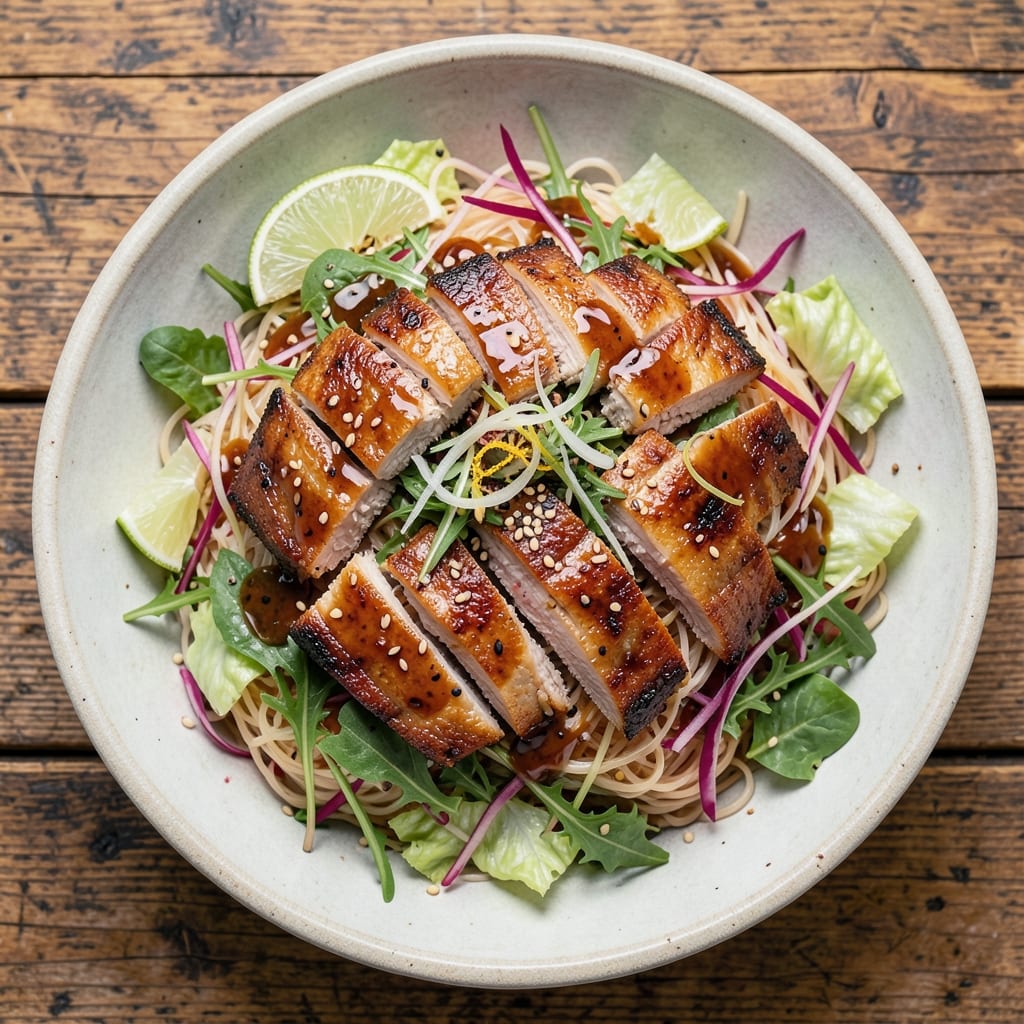
This Asian crispy duck salad recipe delivers the perfect balance of textures and flavors—crispy duck, chewy noodles, and a sweet-savory dressing that ties everything together. The secret lies in achieving that golden, shatteringly crispy duck skin through air-frying or pan-searing, while the salad base (rice noodles or mixed greens) provides a satisfying bite. I developed this recipe to bring restaurant-quality Asian flavors to your home table with minimal fuss.
The duck preparation is where the magic happens: a simple marinade of soy sauce, honey, and garlic ensures tender meat with a caramelized crust. Meanwhile, the salad base—whether rice noodles or fresh greens—absorbs the dressing beautifully, creating a harmonious blend of textures. The dressing, a fusion of hoisin, sesame oil, and lime, adds depth without overpowering the crispy duck.
By the time you plate this dish, you’ll have a vibrant, restaurant-worthy salad with crispy duck slices that hold their shape, chewy noodles, and a glossy dressing that glides effortlessly. The garnishes—scallions, sesame seeds, and a squeeze of lime—elevate the presentation and add freshness to every bite. Perfect for a light yet satisfying lunch or dinner, this recipe is sure to impress.
For added convenience, you can prep the duck and dressing ahead of time, assembling the salad just before serving. The flavors only get better as they meld together, making this a versatile dish for weeknight dinners or special occasions. Whether you're serving it as a main course or a side, this Asian crispy duck salad delivers on both flavor and texture.
Ingredients for asian crispy duck salad
Crispy duck, chewy noodles, and a sweet-savory dressing come together for restaurant-quality bites.
| Ingredient | Amount | Notes |
|---|---|---|
| Duck Breast 🦆 | 1 ½ lb | Skin-on, boneless, pounded thin |
| Rice Noodles 🍜 | 8 oz | Medium-width, uncooked |
| Mixed Greens 🥬 | 4 cups | Baby spinach or butter lettuce |
| Hoisin Sauce 🍶 | ¼ cup | Store-bought or homemade |
| Sesame Oil 🌾 | 1 tbsp | Toasted for aroma |
| Fresh Lime Juice 🍋 | 2 tbsp | From 1 lime, freshly squeezed |
| Soy Sauce 🥢 | 2 tbsp | Light or dark, to taste |
| Honey 🍯 | 1 tbsp | Wildflower preferred |
| Garlic Cloves 🧄 | 4 cloves | Minced, peeled |
| Ginger Root 🌿 | 1 tbsp | Freshly grated |
| Vegetable Oil 🫒 | 2 tbsp | High smoke point |
| Scallions 🧅 | 3 whole | Thinly sliced, white/green parts |
| Toasted Sesame Seeds 🌰 | 1 tbsp | For garnish |
| Salt 🧂 | 1 tsp | Kosher or sea salt |
| Black Pepper 🌶️ | ½ tsp | Freshly cracked |
The duck is the star here, so look for skin-on, boneless breasts—the skin crisps beautifully while the meat stays tender. Most butchers will trim the fat for you, but if you're buying pre-packaged, check for even thickness (about 1/4-inch). Pounding it thin ensures even cooking. For the noodles, rice noodles are ideal—they hold up better than wheat noodles and absorb the dressing perfectly. If you can't find them, vermicelli or soba noodles work in a pinch. The greens? Baby spinach or butter lettuce add that fresh crunch without overpowering the dish.
No hoisin sauce? Mix 1 tbsp soy sauce, 1 tbsp honey, and 1 tsp rice vinegar for a quick substitute. Fresh ginger is best, but ground ginger at half the amount works if you're in a hurry. The dressing can be prepped ahead—just store it in the fridge and give it a shake before using. For the duck marinade, Asian market soy sauces (like Pearl River Bridge) add depth, but any good-quality soy sauce does the trick. If you're air-frying, use a wire rack for maximum crispiness—no sticking, no fuss.
Duck marinade keeps for 3 days in the fridge, but the dressing is best made fresh. Cooked noodles reheat beautifully—just toss them with a little sesame oil while warm. The duck stays crispy for 2-3 days in the fridge if stored properly: wrap tightly in parchment paper. For extra convenience, prep the dressing and chop all garnishes the night before. Everything comes together in minutes when you're ready to serve—just toss, plate, and garnish.
Why You'll Love This Recipe
- Crispy in Minutes: I swear, the duck breast takes 15 minutes total—pan-sear until golden, then rest while you toss the greens. No fancy techniques, just a hot pan and a little patience.
- Hoisin Magic: That sticky-sweet hoisin glaze? It turns the salad into something ridiculously good—caramelized edges on the duck, tangy depth from the sesame oil, and a perfect balance that makes you want seconds.
- Lunchbox Hero: Between us, this is my go-to for meal prep. The noodles hold up for days, and I just reheat the duck separately—cold or warm, it’s always a hit. Pack it for work or a picnic; no one will guess it’s not fresh from a restaurant.
- Budget Luxury: Duck breast feels fancy, but it’s actually smart—one pan-seared breast feeds four salads, and the rest of the ingredients? Pantry staples. You’re getting restaurant-quality flavor without the markup. (Yes, even on a Tuesday night.)
Step-by-step instructions for Asian crispy duck salad
Here's how to transform simple ingredients into a restaurant-worthy dish with perfect crispy duck and vibrant flavors.
Prepare the Duck Breast for Crispy Perfection
Begin by placing the 1.5 lb duck breast between two sheets of plastic wrap. Using a meat mallet, pound it to an even ¼-inch thickness—this ensures even cooking and maximum crispiness. The skin should remain intact, so work gently but firmly to avoid tearing.
Season both sides generously with 1 tsp salt and 0.5 tsp black pepper, then refrigerate uncovered for 30 minutes. This drying step is crucial—it removes surface moisture that would otherwise prevent proper browning. After chilling, pat any remaining moisture with paper towels to guarantee that crispy texture we're after.
Render Duck Fat and Cook to Golden Brown
Heat 2 tbsp vegetable oil in a large skillet over medium heat until shimmering. Place the duck breast skin-side down and cook undisturbed for 8-10 minutes until the fat renders out and the skin turns a deep, golden brown. This process creates that signature crispy exterior while keeping the meat tender inside.
Once the skin is perfectly golden, flip the duck and cook the meat side for 3-4 minutes until it reaches an internal temperature of 135°F (use a meat thermometer). Transfer to a cutting board, tent loosely with foil, and let rest for 10 minutes—this resting period ensures juicy meat when sliced.
Create the Sweet-Savory Sauce
In a small bowl, whisk together 0.25 cup hoisin sauce, 2 tbsp soy sauce, 1 tbsp honey, 2 tbsp fresh lime juice, 1 tbsp sesame oil, 4 cloves minced garlic, and 1 tbsp freshly grated ginger root. This sauce is the flavor bridge between the crispy duck and the fresh salad components, balancing sweet, tangy, and umami notes perfectly.
Taste and adjust seasoning if needed—you might want to add a pinch more salt or a splash of lime juice depending on your preference. The sauce should coat the back of a spoon but remain pourable. Set aside while you prepare the remaining salad components.
Assemble the Crunchy Noodle Base
Cook the 8 oz rice noodles according to package instructions—typically 8-10 minutes in boiling water until just tender. Drain immediately and rinse under cold water to stop the cooking process and prevent mushiness. Toss the noodles with 1 tbsp sesame oil while still warm to enhance their natural flavor.
In a large bowl, combine the 4 cups mixed greens with the cooked noodles. Thinly slice the 3 whole scallions and sprinkle them over the salad along with 1 tbsp toasted sesame seeds for added texture and visual appeal. The contrast between the tender greens, chewy noodles, and crispy duck will make every bite exciting.
Slice, Combine, and Serve
After resting, slice the duck breast against the grain into ¼-inch thick pieces. The grain direction is visible as subtle lines in the meat—cutting against these ensures each bite is tender. Arrange the duck slices on top of the noodle salad, then drizzle with the prepared sauce.
Gently toss everything together just before serving to maintain the crispiness of the duck and noodles. The salad should be vibrant with colors—deep brown duck, golden noodles, and fresh green greens—all tied together by the glossy, aromatic sauce. Serve immediately while the duck is still crispy and the noodles retain their bite.
Pro Tips For Making Asian Crispy Duck Salad
- CRISP THE DUCK RIGHT: Start skin-side down on high heat—no waffling—and let it scream for 4-5 minutes straight until the fat renders and the skin turns deep mahogany. I used to pull it too soon, and the duck just tasted greasy. Push through the smoke point; that’s when the magic happens.
- REST THE DUCK LONGER: After searing, tent it with foil and let it sit for 10 minutes. I know, you’re hungry, but skipping this makes the meat turn rubbery. The residual heat keeps it juicy while you toss the salad—no sad, dry bites here.
- SOAK NOODLES JUST BEFORE SERVING: Toss rice noodles in warm (not boiling) water for 2-3 minutes, then drain and rinse with cold water. They’ll hold up better in the salad and won’t turn mushy. I learned this after watching my first batch turn to paste within 10 minutes.
- DRESS GREENS LAST: Toss the mixed greens with hoisin and sesame oil after the duck is sliced and noodles are dressed. The greens stay crisp, and the duck’s fat doesn’t make them soggy. Sounds obvious, but I’ve seen people drown everything in sauce upfront—and regretted it.
Common mistakes when making perfect results
Overcooking the Duck
One of the biggest mistakes is overcooking the duck breast, which turns it dry and chewy instead of tender and juicy. I’ve seen this happen when people flip the duck too early or cook it at too high a temperature. The skin needs time to render its fat and crisp up—don’t rush it! Once the skin is deep golden brown and the fat is bubbling, flip carefully and cook the meat side just until it hits 135°F internal temperature. Overcooking by even 5 minutes can ruin the texture. 🦆
Skipping the Resting Step
After cooking, duck needs time to rest—skipping this step is a common error that leads to dry slices. When you slice into duck immediately after cooking, all the juices escape, leaving you with tough, flavorless pieces. Always tent the duck with foil and let it rest for 10 minutes before slicing. This simple step makes a world of difference in the final texture. 💡
Using the Wrong Noodles
Not all noodles hold up well in this salad. I’ve seen people use spaghetti or ramen, which turn mushy when tossed with dressing. For the best results, stick to rice noodles—they’re chewy, absorb flavors well, and maintain their texture. If you can’t find rice noodles, vermicelli or soba noodles are good alternatives. Cook them just until tender, drain immediately, and rinse with cold water to stop the cooking process. 🍜
Overcrowding the Pan
Crowding the pan while cooking the duck leads to steaming instead of crisping. The fat needs space to render properly, and the skin won’t brown evenly if it’s touching other pieces. Cook the duck in a single layer, and if your pan isn’t large enough, work in batches. A 10-inch cast iron skillet is ideal for this recipe—it gives enough room for the fat to bubble and the skin to crisp up beautifully. ⚡
Neglecting the Sauce Balance
The dressing is what ties the whole dish together, so getting the balance right is key. Too much soy sauce makes it salty, while too little honey can leave it flat. I recommend tasting the sauce as you go—adjust with a pinch of salt, a splash of lime, or a drizzle of honey until it’s perfectly balanced. The sauce should complement the duck without overpowering it. 🍶
Forgetting to Dry the Duck
Moisture is the enemy of crispy duck skin. If you skip the drying step (salting and refrigerating uncovered for 30 minutes), the skin won’t brown properly—it’ll steam instead of crisp up. After chilling, pat the duck dry with paper towels to remove any remaining moisture. This step is non-negotiable for that perfect golden crust. 🧂
Nutrition facts
Frequently asked questions
Can I substitute chicken or turkey for the duck in this recipe?
While you can technically use chicken or turkey, the flavor and texture won't be the same. Duck's rich, fatty skin creates that signature crispy crust, while poultry will yield a much leaner result. If you must substitute, use skin-on chicken thighs (pounded thin) and increase cooking time slightly to render the fat properly. The sauce and noodles will still work, but the dish will lack that authentic umami depth.
How do I store leftovers without making the duck soggy?
Store the crispy duck and salad components separately. Keep the duck slices in an airtight container with a paper towel pressed on top to absorb moisture. The noodles and greens can be refrigerated in a sealed container for 2 days. When reheating, warm the duck in a dry skillet for 2-3 minutes to restore crispiness, then toss with the salad and fresh dressing. Avoid microwaving the duck—it'll turn rubbery.
What's the best way to make this recipe gluten-free?
Check your hoisin sauce for gluten content—most contain wheat. Use a gluten-free hoisin substitute (like tamari + honey + rice vinegar) or make your own with fermented black beans. For the noodles, swap rice noodles for gluten-free rice noodles (ensure they're certified). All other ingredients in this recipe are naturally gluten-free. The flavor remains authentic while being completely safe for gluten-sensitive diners.
Can I make this salad ahead of time?
Yes, but with strategy. Prep the duck and sauce 1 day ahead, storing them separately in the fridge. Cook the noodles fresh and assemble just before serving to maintain texture. If making the full salad ahead, keep components separate until ready to toss. The duck stays crispy for 2 days if wrapped tightly in parchment, and the dressing keeps for 3 days. The greens should always be added fresh to prevent wilting.
What's the secret to getting ultra-crispy duck skin?
The three key steps are:
- Drying (salt and refrigerate uncovered for 30 minutes),
- High heat (medium heat until fat renders), and
- Patience (don't flip until skin is deep golden brown). For extra crispiness, try air-frying at 375°F for 12-15 minutes on a wire rack. The skin should shatter like glass when you cut through it.