
Salads
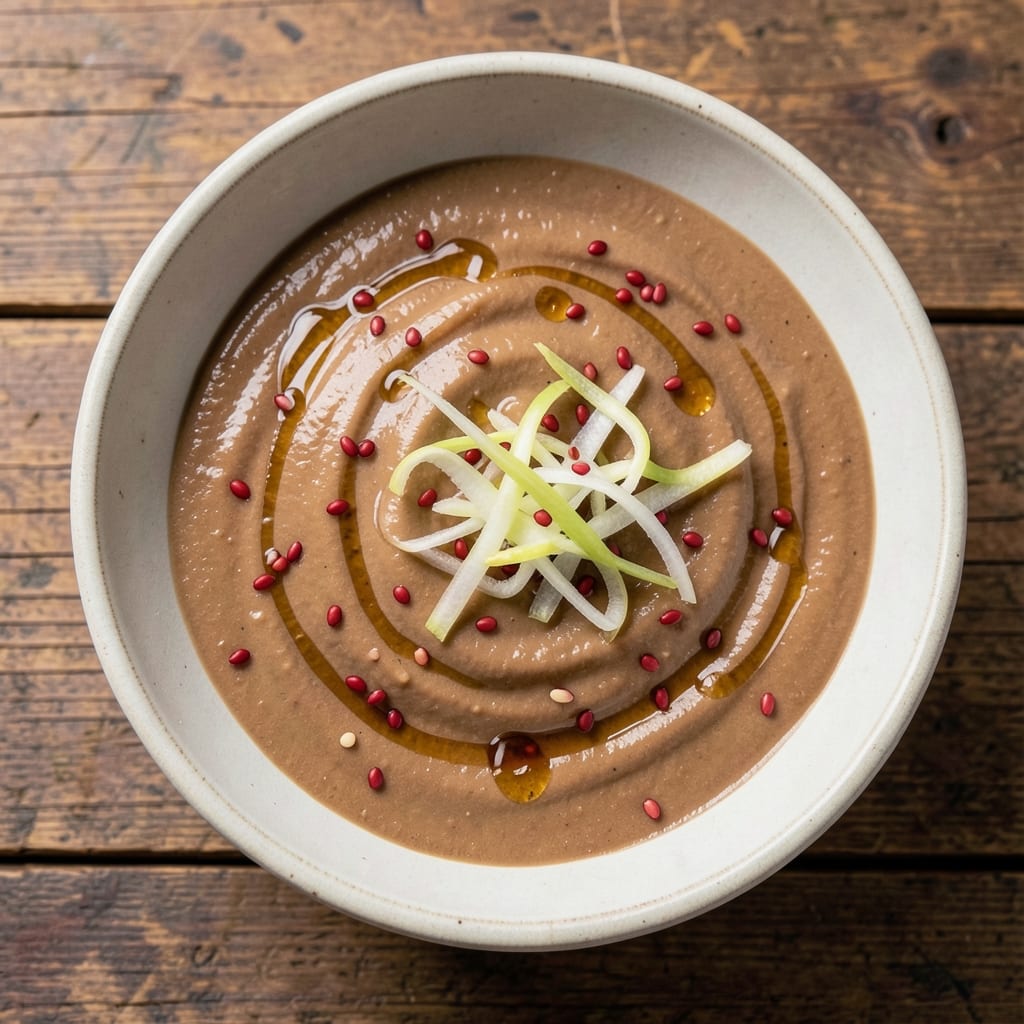
This Asian peanut butter salad dressing transforms ordinary greens into a flavor explosion with its creamy, nutty-sweet balance and subtle crunch. 🌟 The secret lies in blending rich peanut butter with tangy rice vinegar, aromatic sesame oil, and a touch of ginger for depth—creating a dressing that elevates everything from fresh salads to crispy wraps. No cooking required, just whisk together and taste the difference.
What makes this dressing special is its versatility and simplicity. With just 6 ingredients, you’ll achieve a perfect harmony of sweet, savory, and umami flavors that cling beautifully to vegetables, proteins, or even as a dipping sauce for spring rolls. The texture is velvety yet lightly textured, thanks to a pinch of sesame seeds that add a satisfying crunch with every bite.
Perfect for meal prep, this dressing keeps well in the fridge for up to 5 days, making it ideal for busy weeks. Whether you're tossing it with Asian-inspired slaws, drizzling over grilled chicken, or using it as a marinade, the flavors deepen as it sits—so the longer it rests, the better it gets. The nutty richness pairs especially well with bold ingredients like edamame, bell peppers, or even avocado.
For an extra layer of complexity, try adding a dash of chili flakes or a sprinkle of crushed peanuts for texture. This dressing is vegan-friendly, gluten-free (if using tamari), and packed with plant-based protein—proof that healthy eating can be deliciously indulgent. Let’s get whisking!
Ingredients for asian peanut butter salad dressing
Six ingredients blend into a velvety dressing with nutty-sweet depth and satisfying crunch.
| Ingredient | Amount | Notes |
|---|---|---|
| Creamy Peanut Butter 🥜 | ½ cup | Natural, unsweetened preferred |
| Rice Vinegar 🍶 | ¼ cup | Seasoned preferred for depth |
| Sesame Oil 🫒 | 1 tbsp | Toasted sesame oil for aroma |
| Fresh Ginger 🌿 | 1 tbsp | Finely grated, fresh preferred |
| Sesame Seeds 🌾 | 1 tbsp | Toasted for crunchy texture |
| Maple Syrup 🍯 | 1 tbsp | Pure grade B for richness |
| Soy Sauce 🥢 | 1 tbsp | Tamari for gluten-free option |
| Water 💧 | ¼ cup | Adjust for desired consistency |
The peanut butter is the heart of this dressing—natural, unsweetened varieties like Smucker's Natural or 365 by Whole Foods work best, avoiding those with added sugar or oils. For the sesame oil, Kadoya or La Tourangelle deliver that authentic toasted aroma. Fresh ginger is non-negotiable here; pre-grated jars lack the punch. If you're short on time, Trader Joe's carries pre-grated ginger in a jar, but it's still best to zest your own. The sesame seeds should be toasted—5 minutes in a dry pan until golden—before adding for maximum crunch. For maple syrup, Grade B has more flavor complexity than the lighter Grade A.
No peanut butter? Almond butter or tahini works in a pinch, though the flavor will shift slightly. Short on sesame oil? Avocado oil at half the amount keeps the dish vegan but loses some of the aromatic depth. The soy sauce can be swapped for coconut aminos if you're avoiding gluten entirely. For extra tang, add 1 tsp of lime juice—it cuts through the richness beautifully. The water is your consistency control; start with the full amount and thin as needed. If you prefer a thicker dressing, reduce to 2 tbsp instead. For heat lovers, add 1/4 tsp of chili flakes or a dash of sriracha.
This dressing keeps beautifully in an airtight jar for 5-7 days in the fridge. For longer storage, freeze portions in ice cube trays—thaw and whisk with a splash of water to restore texture. The flavors actually improve after sitting for 30 minutes, so whisk together and let it rest before using. If you make extra, drizzle it over grilled tofu or noodles—it's that versatile. The sesame seeds will lose crunch over time, so toast fresh ones whenever you're ready to serve. For meal prep, store the dressing and toast seeds separately, adding them just before eating.
Why You'll Love This Recipe
- Five-Ingredient Magic: This dressing comes together with zero fuss—just stir, taste, adjust. No blenders, no strainers, no waiting for anything to cool. Honestly, I’ve made it while microwaving my lunch and it still turned out rich and smooth every time.
- Umami Bomb: That first swirl of peanut butter and sesame oil? It’s like a flavor explosion in your mouth. The ginger gives it a little kick, while the rice vinegar balances it out—sweet, salty, tangy, nutty, all at once. Not too heavy, not too light, just spot-on.
- Salad Game-Changer: Drizzle it over greens for a quick lunch, toss it with noodles for instant takeout vibes, or even use it as a marinade for chicken. Between us, I’ve even slathered it on sandwiches when I’m craving something bold. It works everywhere, honestly.
- Pantry Staple Power: You’re already using things you own—peanut butter, vinegar, maybe even a jar of sesame oil gathering dust. No specialty shopping, no weird ingredients. And since it keeps for weeks in the fridge? I’ve got jars of it stashed for when I’m too tired to improvise.
Step-by-step instructions for Asian peanut butter salad dressing
Here's how to blend this nutty-sweet dressing with perfect texture and balance every time.
👨🍳 Step 1: Grate the Fresh Ginger Finely
Use a microplane or fine grater to create 1 tablespoon of fresh ginger. You want it to resemble a fine powder rather than visible shreds—this ensures it dissolves completely into the dressing without any gritty texture. I like to press the grated ginger through a fine-mesh sieve to remove any lingering fibers.
Fresh ginger adds bright, zesty notes that cut through the richness of the peanut butter. If you're using jarred ginger, measure ½ teaspoon of ground ginger instead—it's less potent than fresh. Add the grated ginger to a small mixing bowl and set aside for now.
🥘 Step 2: Whisk Together Wet Ingredients
In a medium bowl, combine the 0.5 cup creamy peanut butter, 0.25 cup rice vinegar, 1 tablespoon sesame oil, 1 tablespoon maple syrup, and 1 tablespoon soy sauce. Use a whisk to blend everything until completely smooth—about 30 seconds of vigorous whisking.
The peanut butter should fully emulsify with the vinegar, creating a thick, velvety base. If you notice any lumps, press the mixture through a fine-mesh strainer to ensure a silky texture. This step is crucial for achieving that perfect balance of nutty richness and tangy brightness.
🍳 Step 3: Incorporate the Grated Ginger
Add the freshly grated ginger to the wet mixture and whisk for another 10-15 seconds until fully combined. The dressing should now have a vibrant, golden hue with a slightly textured appearance from the ginger. Taste at this stage—you should notice the bright, citrusy notes of the ginger complementing the peanut butter's nuttiness.
If the dressing is too thick, gradually add 1-2 tablespoons of the 0.25 cup water while whisking until you reach your desired consistency. The dressing should coat the back of a spoon but still be pourable. This is where you can adjust the balance—add a touch more rice vinegar for acidity or maple syrup for sweetness.
🥘 Step 4: Finish with Sesame Seeds
Transfer the dressing to a clean jar or airtight container. Stir in the 1 tablespoon sesame seeds just before using—this ensures they maintain their toasty crunch rather than becoming soggy. The seeds add a delightful textural contrast that elevates every bite of your salad.
Give the dressing one final taste and adjust seasoning if needed. It should be perfectly balanced with sweet, savory, tangy, and umami flavors. If storing, keep it refrigerated for up to 1 week. Before using, give it a good shake as the ingredients may separate slightly during storage.
Pro Tips For Making Asian Peanut Butter Salad Dressing
- WHISK IN STAGES: Don’t dump everything in at once—start with peanut butter and rice vinegar, then add a splash of warm water (or broth) to loosen it. Stir until smooth before adding sesame oil and ginger, or you’ll end up with a lumpy mess that takes forever to fix. (Yes, I’ve been there.)
- GRATE GINGER FINE: Skip the grater and use a microplane—it’s faster and releases more flavor. A teaspoon of fresh, finely grated ginger (not minced) will brighten the dressing without overpowering it. Trust me, your taste buds will notice the difference.
- SALT THE PEANUT BUTTER: Most store-bought peanut butter is unsalted—add a pinch of salt (½ tsp) directly to the peanut butter before mixing. It balances the sweetness and rounds out the flavor better than adding it at the end. (Your salad will thank you.)
- TOAST SESAME SEeds: Dry-toast the sesame seeds in a small pan over medium-low heat for 30 seconds until fragrant—just until they start to pop. Sprinkle them in at the very end (not during mixing) for maximum crunch and aroma. (Cold seeds? Boring.)
Essential equipment for this dish
Whisk Essentials
Start with a French-style whisk—the fine, tightly packed wires create a silky emulsion that’s perfect for blending peanut butter and vinegar. I recommend a 12-inch stainless steel whisk like the OXO Good Grips for its durability and ease of use. For a smoother texture, consider a hand mixer on low speed, but whisking gives you more control over the balance of flavors. 🥄
Measuring Tools
Precision matters when balancing sweet, tangy, and savory elements. Use a stainless steel measuring cup for liquids like rice vinegar and water, and a spoon rest to keep your whisk clean. For the 1 tablespoon sesame seeds, a small measuring spoon ensures you don’t overdo it—too many can make the dressing gritty. A microplane is a game-changer for grating ginger finely without any fibrous texture.
Storage Containers
Transfer your dressing to an airtight glass jar with a lid—glass preserves flavors better than plastic and won’t absorb odors. I love Le Parfait jars for their wide mouths, which make whisking and pouring easy. For longer storage, freeze portions in silicone ice cube trays, then transfer to a freezer bag. Label with the date—this dressing keeps for 3 months in the freezer without losing quality.
Toasted Sesame Gear
Toast your 1 tablespoon sesame seeds in a small non-stick skillet over medium heat for 3-5 minutes until golden and fragrant. A mesh strainer helps remove any burnt bits, ensuring a smooth finish. For extra crunch, toast the seeds in a toaster oven at 350°F for 2 minutes—this method is foolproof and hands-off. Keep toasted seeds in an airtight container at room temperature for up to 1 week to maintain their crispness.
Adjustment Tools
Always keep a small bowl of water nearby to thin the dressing if needed—just 1 teaspoon at a time while whisking. For extra tang, have fresh lime juice on hand; a squeeze brightens the flavor instantly. A tasting spoon (or clean spoon) helps monitor the balance of sweet, savory, and umami. If the dressing separates, a hand mixer on low speed re-emulsifies it in seconds. 💡
Nutrition facts
Frequently asked questions
Can I make this dressing without peanut butter?
Yes! For a similar texture, try almond butter or tahini—both work well, though the flavor will shift slightly. If you're avoiding nuts entirely, blend ½ cup silken tofu with 1 tbsp soy sauce and 1 tsp maple syrup as a base, then proceed with the rest of the recipe. The dressing will be lighter but still delicious.
How do I adjust the thickness of the dressing?
Start with the full ¼ cup water, then thin gradually if needed. For a thinner drizzle, add 1 tsp at a time while whisking. If you prefer it thicker (like a creamy sauce), reduce to 2 tbsp water or omit it entirely. The dressing should coat the back of a spoon but still be pourable.
What’s the best way to store leftovers?
Transfer to an airtight glass jar and refrigerate for up to 5-7 days. Stir before using—the ingredients may separate slightly. For longer storage, freeze in ice cube trays, then transfer to a bag. Thaw overnight in the fridge and whisk with 1 tsp water to restore texture.
Can I use this dressing on non-salad dishes?
Drizzle over grilled chicken, tofu, or noodles for extra flavor. It’s also perfect as a dip for spring rolls or veggie sticks. For a marinade, mix ½ cup dressing with 1 tbsp lime juice and let proteins soak for 15-30 minutes before cooking. The nutty-sweet balance works surprisingly well in wraps too!
Why does my dressing look separated?
Peanut butter dressings often separate due to oil content—this is normal! Whisk vigorously or use a hand mixer on low for 10-15 seconds to re-emulsify. If it’s still grainy, strain through a fine-mesh sieve. For prevention, chill the dressing for 30 minutes before storing to help ingredients bind better.