
Salads
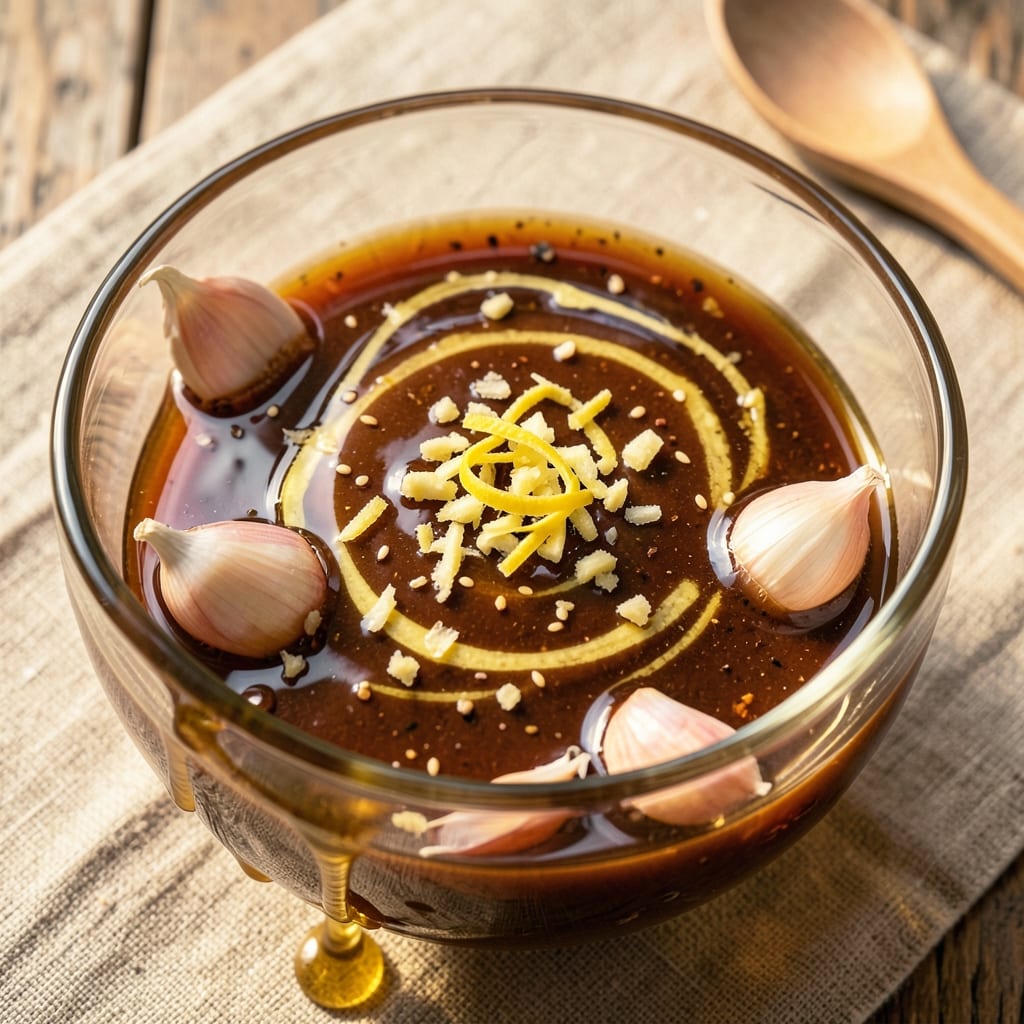
This Asian restaurant salad dressing recipe delivers the perfect umami-packed balance that transforms any salad into a restaurant-worthy meal. The secret lies in combining soy sauce, rice vinegar, and sesame oil with a touch of ginger and garlic for depth. I developed this recipe after years of tasting takeout dressings—finally capturing that signature tangy, savory, slightly sweet flavor at home.
The beauty of this dressing is its versatility—it works equally well on fresh greens, noodle bowls, or as a dipping sauce for spring rolls. With just 5 simple ingredients and 5 minutes of prep, you’ll have a dressing that’s brighter than store-bought and packed with authentic flavor. The key is balancing the salty soy with the acidity of rice vinegar, while sesame oil adds that signature nutty aroma.
What makes this dressing truly special is its ability to elevate simple ingredients into something extraordinary. The ginger and garlic infuse subtle warmth, while a hint of honey or chili flakes (optional) adds complexity. Store it in the fridge for up to 1 week—it tastes even better after flavors meld overnight.
Pair it with mixed greens, sesame seeds, and shredded veggies for a classic Asian-inspired salad, or drizzle over grilled chicken or shrimp for a quick, flavorful meal. The possibilities are endless, and the results are always impressive.
Ingredients for asian restaurant salad dressing
Five core ingredients create restaurant-quality dressing that elevates any salad or dish.
| Ingredient | Amount | Notes |
|---|---|---|
| Soy Sauce 🍶 | ½ cup | Light or dark variety preferred |
| Rice Vinegar 🍶 | ½ cup | Seasoned or unseasoned works |
| Sesame Oil 🫒 | 2 tbsp | Toasted sesame oil for aroma |
| Fresh Ginger 🌿 | 1 tbsp | Finely grated, fresh preferred |
| Garlic Cloves 🧄 | 2 cloves | Minced or grated finely |
| Honey 🍯 | 1 tbsp | Substitute maple syrup if vegan |
| Red Chili Flakes 🌶️ | ½ tsp | Adjust for spice preference |
| Sesame Seeds 🌾 | 1 tbsp | Toasted for garnish (optional) |
The soy sauce and rice vinegar form the foundation—Kikkoman soy sauce and seasoned rice vinegar from Trader Joe's are my go-tos. For ginger, grab fresh from the produce section (the root should feel firm and smell zesty). Garlic cloves should be plump and free of sprouts. Sesame oil is non-negotiable for that authentic aroma—La Choy or Kadoya are reliable brands. The honey adds subtle sweetness, balancing the tang and salt. If you prefer a sharper flavor, increase the vinegar by 1 tbsp.
No soy sauce? Coconut aminos works in a pinch, though the flavor will differ slightly. Skip the vinegar? Lime juice or apple cider vinegar both work, but rice vinegar’s mild sweetness is ideal. Fresh ginger unavailable? Ground ginger at half the amount is fine, but fresh is always better. The chili flakes can be omitted entirely if you dislike heat. For a thicker consistency, whisk in 1 tsp cornstarch mixed with 1 tsp water before adding to the dressing. Store-bought sesame seeds are fine, but toasting them in a dry pan for 30 seconds enhances flavor.
This dressing keeps beautifully in the fridge for 1 week—flavors actually meld better over time. Shake well before using, as ingredients may settle. For longer storage, transfer to a sterilized glass jar and freeze for up to 3 months. The sesame seeds can be toasted fresh each time you use the dressing for maximum crunch. If making a large batch, divide into smaller containers to prevent waste—perfect for meal prep or entertaining.
Why You'll Love This Recipe
- The balance here is spot-on: salty from the soy, tangy from the vinegar, and that nutty sesame oil heat that makes you crave takeout. Honestly, I’ve tasted better versions in restaurants, but this one’s my secret weapon—closer to what I actually want.
- Five-Ingredient Magic: I swear by this combo—soy sauce, rice vinegar, and sesame oil alone give you that perfect umami punch, but add fresh ginger and garlic? That’s where it becomes ridiculously good. No fancy techniques, just minced garlic simmered in oil until it smells like a street food stall.
- Restaurant Flavor at Home: The balance here is spot-on: salty from the soy, tangy from the vinegar, and that nutty sesame oil heat that makes you crave takeout. Honestly, I’ve tasted better versions in restaurants, but this one’s my secret weapon—closer to what I actually want.
- Meal Prep MVP: This dressing lasts in the fridge for a solid week, and it’s the perfect base for anything—toss it with cold noodles, drizzle over grilled chicken, or even mix into a quick stir-fry. I make a big batch on Sundays so I’m never scrambling midweek.
Step-by-step instructions for Asian restaurant salad dressing
This dressing delivers that signature umami-packed flavor you crave from takeout—bright, balanced, and ready in minutes.
Prepare Aromatics and Base Ingredients
Start by finely grating the 1 tablespoon fresh ginger using a microplane or fine grater. This ensures you extract maximum flavor without fibrous texture. Next, mince the 2 cloves garlic into a paste using the flat side of your knife—this prevents clumping and ensures even distribution.
In a small bowl, whisk together the 0.5 cup soy sauce and 0.5 cup rice vinegar. I like to use light soy sauce here for a cleaner base, but dark adds depth if you prefer. Let this mixture sit for 2 minutes—this allows the flavors to begin melding before adding the other ingredients.
Blend the Dressing to Perfection
Transfer the soy-vinegar mixture to a blender or food processor. Add the grated ginger, minced garlic, 1 tablespoon honey, and 0.5 teaspoon red chili flakes. Blend on medium speed until completely smooth, about 15-20 seconds. The honey helps balance the acidity while adding subtle sweetness that rounds out the flavors.
With the blender running on low, slowly drizzle in the 2 tablespoons sesame oil. This prevents the oil from splattering while ensuring it emulsifies properly. You're looking for a dressing that's silky smooth with no visible separation—this indicates proper emulsification.
Taste and Adjust for Balance
Pour the dressing into a small bowl and taste immediately. The ideal balance should have bright acidity from the vinegar, deep umami from the soy sauce, and a subtle heat from the chili flakes. If it needs more acidity, add 1 teaspoon more rice vinegar. For extra umami, add ½ teaspoon more soy sauce. If it's too sharp, a touch more honey will smooth it out.
This is where the magic happens—most store-bought dressings lack this customizable balance. I always adjust based on what I'm serving: more vinegar for leafy greens, more soy sauce for heartier salads with protein.
Finish and Store Properly
Once you're happy with the flavor, transfer the dressing to a clean jar with a tight-sealing lid. The 1 tablespoon sesame seeds (toasted if possible) can be sprinkled on top as a garnish or mixed in right before serving. These add texture and visual appeal that takes your salad from ordinary to restaurant-quality.
Store the dressing in the refrigerator for up to 1 week. Before using, give it a good shake—ingredients naturally separate over time. For the best texture, let it sit at room temperature for 5 minutes before drizzling to ensure smooth application.
Pro Tips For Making Asian Restaurant Salad Dressing
- MINCE THAT GINGER: Fresh ginger can be stubborn—don’t just chop it into chunks. Use a microplane or the fine side of a grater to get a smooth, paste-like texture. This dissolves better into the dressing and gives that restaurant-quality depth without grit.
- GARLIC: PEEL FIRST, THEN SMASH: I learned this the hard way—peeling garlic cloves after mincing is a mess. Peel them whole first, then smash them flat with the side of your knife before mincing. The flavor releases more easily, and you won’t end up with garlic bits stuck in your molars (yes, it happens).
- WHISK IN STAGES: Pouring all the soy sauce and vinegar in at once? You’re asking for a clumpy disaster. Start with the rice vinegar, whisk in the soy sauce gradually, then add the sesame oil last—just a teaspoon at a time. The oil emulsifies better this way, and you won’t need to shake the bottle like a madman later.
- SAVE THE SESAME OIL: That nutty, golden sesame oil is the star—don’t waste it. Use a high-quality, toasted version (not the cheap cooking oil in a sesame bottle). A little goes a long way; start with half the recipe’s amount, taste, then add more if needed. Overdoing it turns your dressing into a greasy afterthought.
Best sauces and condiments for this recipe
Peanut Sauce Twist
For a creamy, nutty variation, blend in ¼ cup smooth peanut butter and 1 teaspoon sriracha with the original ingredients. This transforms your dressing into a Thai-inspired peanut sauce perfect for noodle bowls or spring rolls. I like to add 1 tablespoon lime juice to brighten the richness. Store in an airtight container for up to 5 days—the peanut oil may separate, so shake well before using. 🥜
Sweet Chili Glaze
Swap out the soy sauce and ginger for ½ cup sweet chili sauce (like Huy Fong) and 1 tablespoon lime zest. Add 1 teaspoon grated fresh ginger and 1 tablespoon chopped cilantro for freshness. This version works beautifully as a glaze for grilled meats or a dip for dumplings. The dressing stays fresh in the fridge for 7 days, though the lime zest may darken—just stir it in before using. 🌶️
Sesame-Miso Fusion
For a deeper umami kick, replace the soy sauce with ¼ cup white miso paste and ¼ cup mirin. Add 1 teaspoon toasted sesame seeds directly to the blender for extra texture. This dressing pairs perfectly with cucumber and edamame salads or as a marinade for tofu. The miso adds complexity, so I recommend starting with 2 tablespoons and adjusting to taste. Store in a sealed jar for up to 10 days—the miso keeps it stable longer. 🍶
Herb-Infused Variations
Fresh herbs elevate this dressing to new heights. Try adding 2 tablespoons chopped cilantro or 1 tablespoon Thai basil for a Southeast Asian flair. For a Japanese-inspired twist, stir in 1 teaspoon grated daikon radish and ½ teaspoon grated lemon zest. These variations work best when added fresh—store the dressing without herbs and mix them in just before serving to preserve their brightness. 🌿
Thicker or Thinner?
Need a thicker dressing for drizzling? Whisk in 1 teaspoon cornstarch mixed with 1 teaspoon water until smooth. For a thinner consistency, like a marinade, add 1-2 tablespoons warm water and stir. I find this dressing works best at a medium consistency—thick enough to cling but thin enough to drizzle easily. Adjust gradually to avoid over-thickening. ✨
Nutrition facts
Frequently asked questions
Can I make this dressing without sesame oil?
Yes, but the flavor will be less authentic. For a substitute, use 1 tablespoon neutral oil (like avocado or vegetable oil) and add ½ teaspoon toasted sesame seeds directly to the dressing. The aroma is key—sesame oil gives that signature nutty depth that's hard to replicate. If you're avoiding sesame due to allergies, try 1 teaspoon peanut oil for a similar richness.
How can I adjust this for a spicier or milder flavor?
For extra heat, add ½ teaspoon more red chili flakes or a dash of sriracha (start with ¼ teaspoon). For milder heat, reduce the chili flakes by half or omit entirely. If you want smoky depth, add ¼ teaspoon smoked paprika. Always taste as you go—this dressing is highly customizable based on your preference and what you're serving.
Will this dressing work for non-salad dishes?
This versatile dressing doubles as a marinade for grilled chicken or tofu, a dipping sauce for spring rolls or dumplings, or a glaze for seared scallops. For marinades, use a 1:1 ratio of dressing to protein and let it sit for 30 minutes before cooking. The balance of acidity and umami makes it perfect for enhancing proteins and vegetables alike.
Why did my dressing separate? How do I fix it?
Separation happens when the oil and liquid ingredients don't fully emulsify. To fix it, whisk vigorously or blend briefly to recombine. For future batches, ensure you're using toasted sesame oil and blend on low when adding it. If the separation persists, add ½ teaspoon cornstarch mixed with ½ teaspoon water and whisk until smooth. Always store in an airtight container to prevent further separation.
Can I make this dressing vegan?
Yes! Simply replace the honey with maple syrup or agave and use coconut aminos instead of soy sauce. For extra richness, add 1 tablespoon tahini to the blend. The flavor will still be bright and umami-packed, though slightly different from the original. All other ingredients remain the same—this version keeps beautifully for 5-7 days in the fridge.