
Salads
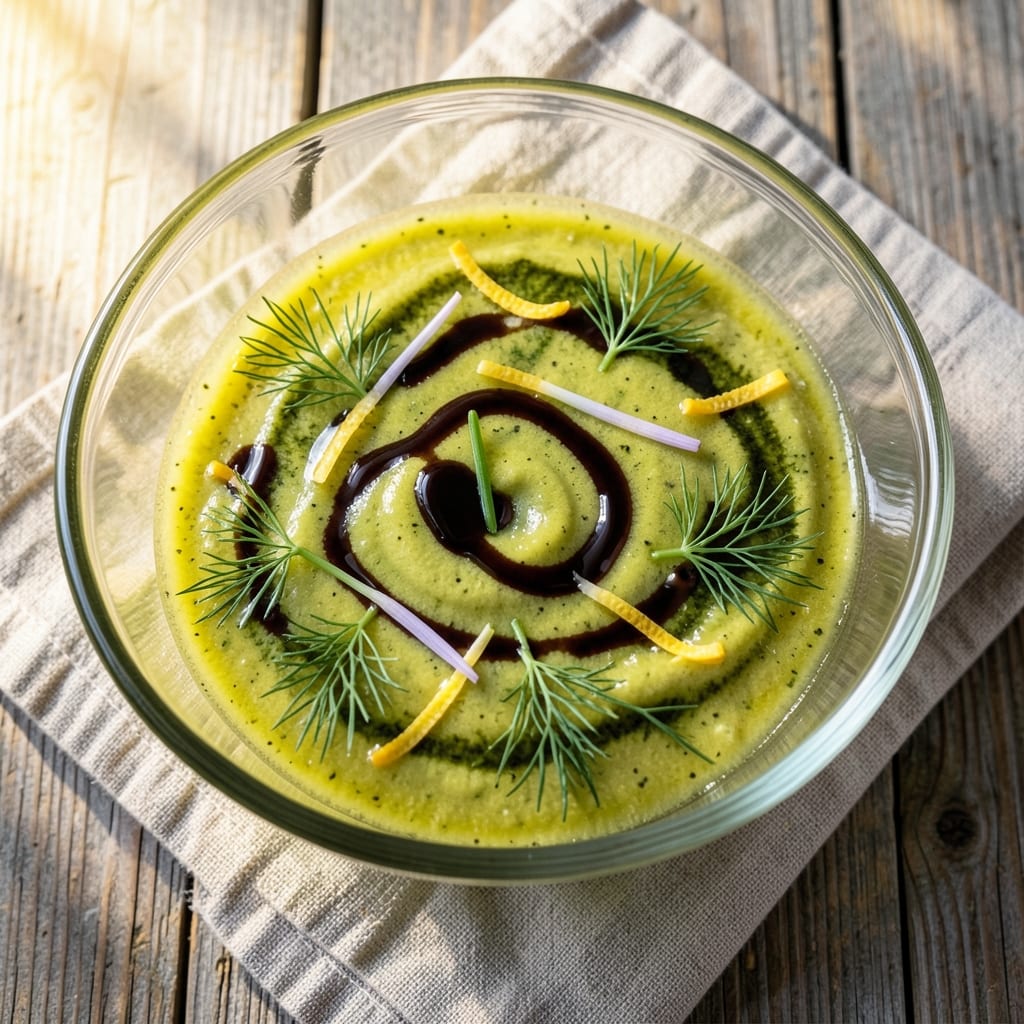
This Assagios House Salad Dressing transforms simple greens into a restaurant-worthy meal with its bright lemon-herb profile and subtle umami depth. The secret lies in balancing acidity, fresh herbs, and a touch of soy sauce for complexity—no complicated emulsions required. I developed this recipe after years of testing store-bought dressings that always fell short of homemade quality.
What sets this dressing apart is its bold yet balanced flavor: zesty lemon cuts through rich ingredients, while fresh dill and chives add brightness, and a splash of soy sauce delivers that elusive umami kick. The dressing clings beautifully to mixed greens, roasted vegetables, and grilled proteins without overpowering them. It's the kind of versatile sauce that elevates even the simplest salad into something special.
With just 7 ingredients and 10 minutes of prep, you'll have a dressing that stays fresh in the fridge for up to a week. The recipe uses simple pantry staples—olive oil, red wine vinegar, lemon juice, and fresh herbs—so you're never more than a whisk away from a flavorful upgrade. Perfect for meal prep or last-minute dinners, this dressing is a game-changer for anyone tired of bland, bottled options.
Once you taste the difference, you'll never go back to store-bought. The dressing works equally well on kale salads, grain bowls, or as a marinade for chicken. Let's make it—your salads (and taste buds) will thank you.
Ingredients for assagios house salad dressing
Seven simple ingredients create a restaurant-quality dressing that transforms any salad.
| Ingredient | Amount | Notes |
|---|---|---|
| Extra-Virgin Olive Oil 🫒 | ½ cup | Light golden variety preferred |
| Fresh Lemon Juice 🍋 | ¼ cup | From 2-3 medium lemons |
| Red Wine Vinegar 🍷 | ¼ cup | Dry variety for brightness |
| Fresh Dill 🌿 | ¼ cup | Chopped, packed loosely |
| Fresh Chives 🌱 | ⅛ cup | Finely chopped, about 2 tbsp |
| Low-Sodium Soy Sauce 🍜 | 1 tbsp | For subtle umami depth |
| Diamond Crystal Kosher Salt 🧂 | ½ tsp | Adjust to taste |
The olive oil is your canvas here—look for extra-virgin with fruity notes (like California Gold or Colavita) for that bright, fresh flavor. Fresh herbs are non-negotiable; dill and chives from the grocery store's refrigerated section work fine, but they'll taste even better if you grab them from the farmers market—just make sure the leaves are vibrant, not wilted. The soy sauce might seem like an odd addition, but that 1 tablespoon delivers the umami magic that separates this from basic vinaigrettes. I always buy low-sodium to avoid over-salting, but taste as you go.
No fresh dill? Substitute with tarragon or parsley at the same amount, though the flavor will shift slightly. Short on chives? Green onion tops work in a pinch. The lemon juice can be bottled if you're in a bind, but fresh is ideal—just roll it on the counter first to soften the peel. If you don't have red wine vinegar, apple cider vinegar or balsamic both work, though the flavor profile changes. The dressing won't emulsify perfectly without the vinegar, but it'll still taste delicious. For extra richness, add 1 teaspoon of Dijon mustard to the whisk.
This keeps beautifully in the fridge for up to 1 week if stored in a sealed jar with a thin layer of olive oil poured on top—prevents the herbs from browning. I like to make a double batch so I always have some on hand. The dressing thickens slightly when chilled, so give it a quick whisk before using. If it separates, just whisk vigorously to recombine. It's perfect for meal prep—toss it with your salad greens or grains right before serving to keep everything crisp.
Why You'll Love This Recipe
- No-Chop Required: I swear by this dressing because it only needs two herbs—dill and chives—and they’re so forgiving. Snip them roughly, toss them in, and let the blender (or whisk) do the work. No fine dicing, no fuss, just bright, herby goodness with zero effort.
- Bright & Tangy Magic: That lemon juice and red wine vinegar combo? It’s the secret weapon here. The acidity cuts through the richness of the olive oil, and the dill adds a fresh, almost Mediterranean punch. Honestly, it’s the kind of dressing that makes even a simple salad feel like a restaurant-worthy bite.
- Meal Prep MVP: I make a big batch on Sundays and keep it in the fridge for the week. It pairs with everything—grilled chicken, roasted veggies, even as a marinade. The oil and vinegar blend keeps it stable, so no weird separation or sad, watery leftovers.
- Budget-Friendly Luxury: Extra-virgin olive oil and fresh herbs might sound fancy, but this recipe uses just enough to stretch it far. A little goes a long way, and the flavors are so vibrant you won’t miss overpriced store-bought versions. Plus, buying herbs in bunches and freezing half means you’re always covered.
Step-by-step instructions for bold lemon-herb vinaigrette
This dressing comes together in minutes but delivers restaurant-quality depth every time.
Whisk Together the Acid Base
In a medium bowl, combine the 0.25 cup fresh lemon juice and 0.25 cup red wine vinegar. I like to use a whisk for this step—it creates a smooth emulsion right from the start. The acid components should blend completely with no visible streaks. If you're using freshly squeezed lemon juice, let it sit for 5 minutes before mixing to allow the natural oils to settle slightly—this prevents bitterness in the final dressing.
Here's the thing—don't rush this step. The acids need to marry properly before adding the oils. You'll notice the mixture will be quite tangy at this stage, but that's exactly what we want. This acid foundation is what gives the dressing its bright, cutting character that balances the richness of the olive oil.
Add Umami and Seasoning
Pour in the 1 tablespoon low-sodium soy sauce and add the 0.5 teaspoon diamond crystal kosher salt. Stir gently with a fork or small whisk until fully dissolved. The soy sauce might seem like an odd addition, but trust me—it's what gives this dressing that subtle umami depth that makes it stand out from basic vinaigrettes. The salt should dissolve completely, but you can give it a quick taste at this point to adjust if needed.
This is where the magic happens. The soy sauce isn't just for flavor—it helps stabilize the emulsion when we add the oil later. I always use low-sodium soy sauce here because we're not trying to overwhelm the delicate herb flavors with saltiness. The salt at this stage is primarily for seasoning, not for preservation.
Incorporate the Herbs
Add the 0.25 cup chopped fresh dill and 0.125 cup finely chopped fresh chives to the bowl. Using clean hands, gently fold the herbs into the acid mixture until they're evenly distributed. You want the herbs to be immersed but not mashed—we're looking for visible herb flecks in the finished dressing. This is where the visual appeal comes from, with those bright green accents throughout.
I find that folding by hand gives better control than whisking at this stage. The herbs should be evenly dispersed, but you'll still see some texture—this is perfect. If you're worried about the herbs sinking, don't be. The oil we're about to add will help suspend them throughout the dressing.
Emulsify with Olive Oil
With the motor running on low speed, very slowly drizzle in the 0.5 cup extra-virgin olive oil. This is critical—adding the oil too quickly will create a split dressing. Start with just a few drops, letting the whisk incorporate each addition before adding more. You're looking to create a smooth, creamy emulsion rather than a separated vinaigrette.
The key here is patience. It might take 2-3 minutes of slow drizzling to incorporate all the oil. You'll know you've succeeded when the dressing becomes thick and glossy, with no visible oil separation. If you're whisking by hand, it might take a bit longer—just keep at it until it comes together. The texture should be like heavy cream, not watery.
Taste and Adjust
Transfer the dressing to a clean jar or airtight container. Give it a good stir and taste immediately. At this point, you might find it needs more acidity, more salt, or perhaps a touch more sweetness. I usually find it needs just a tiny bit more salt—about ¼ teaspoon—to balance all the flavors. Adjust to your preference, remembering that the herbs will continue to release their oils as the dressing sits.
The dressing should be bright, herby, and tangy with a subtle umami richness from the soy sauce. It should coat the back of your spoon without being overly thick. If it's too thick, add 1-2 teaspoons of water to loosen it. If it's too thin, let it sit for 10 minutes—the flavors will concentrate as it chills. This dressing keeps beautifully in the refrigerator for up to 1 week, so you can make a big batch and use it all week long.
Pro Tips For Making Assagios House Salad Dressing
- Whisk in Stages: Start by mixing the lemon juice and vinegar first—this balances the acidity before adding oil. Then drizzle in the olive oil slowly while whisking like you’re trying to cut butter. Stop when the dressing thickens just enough to cling to a spoon; over-whisking turns it into soup.
- Use Dry Herbs: Pat the dill and chives bone-dry with a paper towel before chopping—wet herbs bleed flavor into the dressing and dilute it faster. A handful of finely minced, dry herbs will punch up the taste without turning your dressing into a sad, watery glaze.
- Taste Before Salting: Skip adding salt until you’ve mixed all the wet ingredients first. The vinegar and lemon juice are already acidic; salting too soon just makes you guess, and you’ll either under- or overdo it. A pinch at the end lets you adjust properly.
- Store Oil Separately: If you’re prepping ahead, keep the olive oil in a separate container and mix it in just before using. The dressing holds up better this way—no weird oil-skin layer, and the herbs stay fresher longer. Shake it up like a snow globe when ready to dress.
Perfect pairings for this assagios house salad dressing
Herb-Forward Greens
This dressing pairs perfectly with butter lettuce, arugula, or baby spinach—their delicate flavors let the bright lemon and fresh herbs shine. I love tossing it with mixed greens (like organic baby kale and frisée) for a restaurant-style salad. For extra texture, add toasted walnuts or pumpkin seeds right before serving—they provide crunch that contrasts beautifully with the creamy dressing. 🥗
Rich Protein Pairings
The subtle umami from the soy sauce makes this dressing ideal for grilled chicken, shrimp, or steak. I often drizzle it over seared scallops or pan-seared salmon to balance the richness. For a hearty salad, combine it with roasted sweet potatoes, avocado, and crumbled feta—the dressing's acidity cuts through the creaminess perfectly. The herbs also complement charred vegetables beautifully.
Grain Bowl Upgrade
Transform your quinoa, farro, or brown rice bowls with this dressing. I like adding it to bowls with roasted Brussels sprouts, shredded carrots, and chickpeas for a complete meal. The dressing's brightness elevates cold grain salads too—just toss it with leftover couscous and fresh herbs for a quick lunch. For extra depth, add crumbled goat cheese or shaved Parmesan on top.
Vegetable-Centric Salads
This dressing works wonders with roasted beets, asparagus, or zucchini—the herbs complement their natural sweetness. I often make a warm salad with roasted cherry tomatoes, fresh mozzarella, and basil, then finish with this dressing. For a winter version, try it with shaved Brussels sprouts, pomegranate seeds, and candied pecans. The dressing's acidity helps balance the natural sugars in roasted vegetables.
Breakfast Applications
Don't limit this dressing to lunches! Use it on avocado toast with a sprinkle of everything bagel seasoning or poached eggs with microgreens. I also drizzle it over smashed potatoes with crispy bacon for a brunch showstopper. The herbs add a fresh twist to breakfast salads too—just toss it with greens, cherry tomatoes, and a soft-boiled egg. 🍳
Dessert Surprise
Yes, really! This dressing can brighten up fruit salads with strawberries, peaches, or watermelon. The acidity cuts through the sweetness beautifully. I also use it as a dipping sauce for fresh mozzarella balls or baked brie—the herbs add a surprising freshness. For a sweet-savory twist, drizzle it over grilled pineapple or roasted peaches with a sprinkle of flaky sea salt.
Nutrition facts
Frequently asked questions
Can I make this dressing without fresh herbs?
If you don't have fresh dill and chives, substitute with 1 tablespoon dried dill and 1 teaspoon dried chives (or 1 tablespoon each of tarragon and parsley). For best results, use 1 teaspoon dried herbs per 1 tablespoon fresh—just remember dried herbs are more concentrated. The flavor won't be identical, but it'll still taste delicious.
Why does my dressing separate after making it?
Separation happens when oil and acids aren't properly emulsified. To fix it, whisk vigorously for 1-2 minutes—the motion will recombine them. For prevention, add oil very slowly while whisking continuously. If it keeps separating, try adding ½ teaspoon Dijon mustard next time, which helps stabilize emulsions. The dressing should thicken slightly when chilled, so don't worry if it looks thinner right after making.
How can I make this dressing spicier?
Add ½ teaspoon red pepper flakes or 1-2 teaspoons hot sauce (like Sriracha) when whisking the acid base. For a smoky kick, substitute 1 tablespoon smoked paprika for ½ teaspoon of the salt**. If you love heat, try adding 1 finely chopped jalapeño (seeds removed) to the herb mixture. Start with less and adjust to taste—spices intensify as the dressing sits.
Can I use this dressing as a marinade?
Yes! This dressing makes an excellent marinade for chicken, shrimp, or fish. Use it just like you would any other marinade—coat the protein and let it sit for 30 minutes (fish) to 2 hours (chicken). The acidity tenderizes while the herbs add flavor. For extra safety, don't marinate longer than 4 hours for poultry. The soy sauce in the dressing helps break down proteins beautifully.
What's the best way to store leftovers?
Transfer to a clean, airtight jar or container and press a thin layer of olive oil on top to preserve freshness. Store in the fridge for up to 1 week. Before using, give it a good stir—it may thicken slightly when chilled. If the herbs start browning, simply whisk in 1 teaspoon fresh lemon juice to revive them. For longer storage, freeze in ice cube trays and transfer cubes to a bag—thaw overnight in the fridge.