
Salads
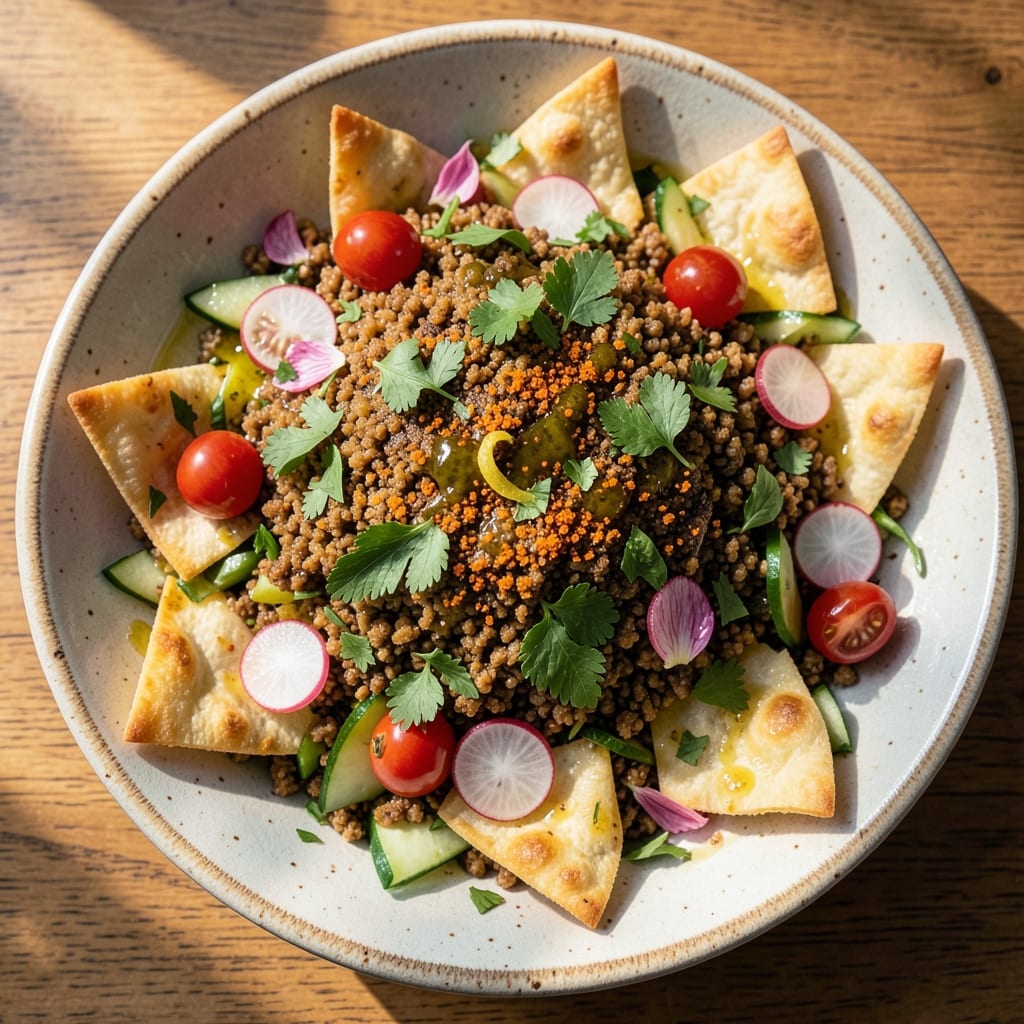
This authentic Lebanese fattoush salad recipe brings the vibrant flavors of Beirut to your table with its signature crispy pita, fresh herbs, and tangy sumac dressing. The secret lies in toasting the pita until it's perfectly golden and crunchy, then assembling everything with just the right balance of textures and flavors. I've perfected this dish over years of testing, ensuring every bite delivers that authentic Middle Eastern crunch and brightness.
The beauty of fattoush is its simplicity—just a handful of ingredients that come together to create something extraordinary. You'll start with bulgur wheat for texture, fresh cucumbers, tomatoes, and radishes for crunch, all tossed with crispy pita triangles and a mountain of fresh herbs like parsley and mint. The dressing, made with sumac, lemon juice, and olive oil, adds that signature tangy kick that makes this salad unforgettable.
What you'll end up with is a salad that's as refreshing as it is satisfying—crispy pita pieces that hold up perfectly, tender vegetables, and a dressing that ties everything together with zesty sumac and bright lemon. It's the kind of dish that feels special yet comes together in just 30 minutes, making it perfect for weeknight dinners or summer gatherings.
For an extra touch of richness, you can add grilled halloumi cheese or crispy chickpeas, but the classic version is already packed with flavor. This is the fattoush salad I grew up loving, and it's the one I always come back to when I need a taste of home. Let's get started!
Ingredients for authentic lebanese fattoush salad
Crispy pita, bright herbs, and tangy sumac—just 14 ingredients for this Lebanese classic.
| Ingredient | Amount | Notes |
|---|---|---|
| Bulgur Wheat 🌾 | 1 cup | Fine grind, rinsed well |
| Lemon Juice 🍋 | ½ cup | Freshly squeezed |
| Extra-Virgin Olive Oil 🫒 | ½ cup | High quality, fruity |
| Sumac 🍃 | 2 tbsp | Ground, for tangy kick |
| Fresh Parsley 🌿 | ¾ cup | Chopped, stems removed |
| Fresh Mint 🌿 | ¼ cup | Chopped, stems removed |
| English Cucumber 🥒 | 1 whole | Unpeeled, diced |
| Roma Tomatoes 🍅 | 2 whole | Diced, seeds removed |
| Red Radishes 🥕 | 1 cup | Thinly sliced |
| Red Onion 🧅 | ½ cup | Thinly sliced |
| Pita Bread 🍞 | 1 whole | Store-bought, cut triangles |
| Salt 🧂 | 1 ½ tsp | Kosher or sea salt |
| Black Pepper 🌶️ | ½ tsp | Freshly ground |
| Garlic Cloves 🧄 | 2 cloves | Minced, for bulgur |
The bulgur is your texture base—fine grind toasts better than coarse. Trader Joe's sells it pre-rinsed, which saves time, but if you're buying bulk, rinse it well to remove excess starch. For the pita, Arabian or Middle Eastern brands from the international aisle at Whole Foods or Kroger make all the difference—thinner and crispier than regular pita. Toast it until it's golden and crunchy, not just brown. The herbs? Fresh parsley and mint are non-negotiable—dried just won't cut it here.
No sumac? Dried lemon zest at half the amount gets you close, but the tang is different. Fresh mint missing? Fresh dill works in a pinch, but it's not the same. The cucumbers should be crisp and cold—peel them if you're worried about bitterness. Radishes add the perfect bite, but if you're out, extra thin apple slices work surprisingly well. For the dressing, lemon juice should be freshly squeezed—bottled lacks the brightness. And if you can't find sumac, substitute a mix of lemon zest and a pinch of salt, but it won't be quite the same.
Bulgur keeps for up to 2 months in an airtight container, but toast it fresh for best texture. Pita stays crisp for 2 days if stored in a sealed bag—re-crisp in the oven at 350°F for 5 minutes if it gets soft. The dressing? Make it fresh, but it'll last 3 days in the fridge. I always double the dressing because it disappears fast—perfect for drizzling over grilled meats or hummus too.
Why You'll Love This Recipe
- No-Soaking Needed: I’ll admit, I used to panic about bulgur—until I tried this. The trick is using fine bulgur (not coarse) and boiling it for just 10 minutes. No overnight soaking, no waiting around. That lemon juice? It does half the work while you chop.
- Tangy Crunch Magic: That first bite—crispy, toasted bulgur with the brightest lemon punch, a sprinkle of sumac that’s almost like a secret spice, and parsley so fresh it feels like sunshine. Honestly, the sumac alone makes this taste like a vacation in a bowl. (Yes, even on a Tuesday night.)
- Potluck Hero: Between us, this is my go-to for gatherings. It holds up for hours, doesn’t wilt like lettuce, and actually improves overnight. Bring it to a picnic, a barbecue, or just eat it straight from the fridge for lunch—no one will judge.
- Budget Crunch Winner: Bulgur’s cheap, sumac lasts forever, and you can use whatever veggies are on sale. I’ve made this for under $5 a serving, and it still feels fancy. Plus, the leftovers? Toss them in a wrap or over grilled chicken the next day—zero waste.
Step-by-step instructions for authentic Lebanese fattoush salad
Here's how to make this vibrant salad with crispy pita and perfect bulgur every time.
Prepare the Bulgur Mixture
In a medium bowl, combine the 1 cup bulgur wheat, 2 cloves minced garlic, 1.5 teaspoons salt, and 0.5 cup lemon juice. Mix well until the bulgur is evenly coated. Add 1 cup cold water and let it sit for 10 minutes, stirring occasionally. After the initial soak, add 0.25 cup extra-virgin olive oil and mix again. The bulgur should absorb the liquid and soften—it's ready when it's tender but still has a slight bite, about 20 minutes total. This step is crucial for authentic texture.
Don't skip the lemon juice—it tenderizes the bulgur and adds bright flavor. If it looks dry after 20 minutes, add a splash more water; if too wet, let it sit uncovered for another 5 minutes. The bulgur should hold its shape but be fully cooked through.
Toast and Prepare the Pita
Preheat your oven to 375°F. Cut the 1 whole pita bread into 8 equal triangles and brush each piece lightly with 0.25 cup extra-virgin olive oil—just enough to coat without soaking through. Arrange them on a baking sheet in a single layer, brush the other side, and toast for 8-10 minutes until they're golden brown and crispy. Watch closely—they crisp quickly and burn just as fast.
For extra crispiness, I press down gently on each piece during the first 2 minutes of toasting. This prevents curling and ensures even browning. Remove from oven and let cool slightly before adding to the salad—warm pita melts into the dressing too quickly.
Chop and Assemble the Vegetables
While the pita toasts, prepare the vegetables: Dice the 1 whole English cucumber into ½-inch pieces, remove seeds from the 2 whole Roma tomatoes and chop into ¼-inch dice, thinly slice the 1 cup red radishes and 0.5 cup red onion, and finely chop the 0.75 cup fresh parsley and 0.25 cup fresh mint. Combine all vegetables in a large bowl and toss gently with 0.25 cup extra-virgin olive oil, 1.5 teaspoons salt, and 0.5 teaspoon black pepper. Let sit for 10 minutes—this allows flavors to meld.
The radishes and red onion should be sliced paper-thin for that signature fattoush texture. If you're short on time, you can use a mandoline for even slices. The vegetables should look vibrant and fresh—this is the heart of the salad's bright, refreshing character.
Combine and Dress the Salad
Add the prepared bulgur to the vegetable mixture and toss gently to combine. Sprinkle with 2 tablespoons sumac and toss again—this is where the magic happens. The sumac adds that signature tangy, citrusy kick that sets Lebanese cuisine apart. Drizzle with the remaining 0.25 cup extra-virgin olive oil and toss lightly. The salad should look vibrant with deep reds, greens, and golden bulgur throughout.
Here's the thing—don't overmix. We want the crispy pita to stay intact when added. Let the salad sit for 5 minutes before adding the toasted pita triangles. This resting period lets the flavors settle and the bulgur absorb any excess moisture.
Serve Immediately with Crispy Pita
Gently fold the toasted pita triangles into the salad just before serving. The contrast of warm, crispy pita with the cool, fresh vegetables and bulgur is what makes this salad so special. Arrange on a platter and garnish with additional sumac and fresh mint if desired. Serve immediately while the pita is still crisp—this salad doesn't wait!
Each bite should deliver that perfect combination of textures: crispy pita, chewy bulgur, crunchy vegetables, and tender herbs. The sumac-infused dressing ties it all together with its bright, tangy flavor. For extra authenticity, serve with a side of hummus or labneh for dipping.
Pro Tips For Making Authentic Lebanese Fattoush Salad
- TOAST THE BULGUR: Skip the boiling water—toss the bulgur in a dry skillet over medium heat for 2-3 minutes first. This toasts the grains, deepens their nuttiness, and cuts down on cooking time later. (Yes, it’ll smell amazing, and no, you’re not overcomplicating it.)
- USE COLD LEMON JUICE: Chill the lemon juice in the fridge for 10 minutes before mixing it in. Warm juice dulls the brightness, and you want that sharp, tangy punch to cut through the richness of the olive oil and toasted bulgur. Trust me, the salad tastes like it was made by someone who actually likes lemon.
- DON’T SKIMP ON SUMAC: Sprinkle it generously—this isn’t the time to be shy. Sumac’s tart, citrusy kick is the soul of fattoush, and a light hand means you’ll end up wishing you’d used more. Store it in a cool, dark place, or it’ll lose its zing faster than you can say “overpriced spice.”
- CHOP PARSLEY COARSELY: Tiny parsley pieces turn to mush and disappear. Roughly chop the stems too—yes, the stems—and leave chunks about the size of a pea. It’ll look rustic, stay crisp, and hold up when you toss everything together. (Your salad will thank you.)
Essential equipment for this recipe
Crispy Pita Perfection
You'll need 1 whole pita bread cut into 8 triangles—this is the star of the show! I recommend using Arabian or Middle Eastern pita from your grocery store's international aisle. Brands like Sabra or Al Wadi give you that perfect thin, crisp texture. Toast them in a 375°F oven for 8-10 minutes until golden brown and crunchy. Pro tip: Brush each piece with ¼ cup olive oil before toasting for extra crispiness. 🍞
For a shortcut, you can also crisp the pita in a skillet over medium-high heat for 2-3 minutes per side. Just keep an eye on it—they burn faster than you think! Store leftover crispy pita in an airtight container for up to 2 days—re-crisp in the oven before using again.
Bulgur Prep Essentials
Fine-grind bulgur wheat is a must for authentic texture. I love Trader Joe's pre-rinsed bulgur—it saves time and ensures even cooking. Use 1 cup and soak it in 1 cup cold water with ½ cup lemon juice and 2 minced garlic cloves for 20 minutes. A fine-mesh strainer helps rinse excess starch if you're using bulk bulgur. 🌾
For even cooking, I use a small mixing bowl with a wooden spoon to stir the bulgur occasionally. If it looks dry after soaking, add 1 tablespoon water at a time. The bulgur should be tender but still hold its shape—this is key for that perfect chewy texture in your salad.
Chopping Tools
A sharp chef's knife and cutting board are essential for chopping the vegetables. For the red radishes and red onion, a mandoline makes quick work of thin, even slices. If you don't have one, use a sharp knife and slice carefully—thin slices are key for that signature fattoush crunch. 🥕
For the English cucumber and Roma tomatoes, a large mixing bowl helps catch the juices as you chop. I like to dice the cucumber into ½-inch pieces and the tomatoes into ¼-inch dice—this keeps the salad balanced and prevents sogginess. A small bowl for the herbs (parsley and mint) keeps them fresh until you're ready to add them.
Dressing Must-Haves
You'll need 2 tablespoons sumac—this is non-negotiable for authentic flavor. If you can't find it, Penzeys Spices sells it online. For the dressing, a small bowl and whisk help combine ½ cup lemon juice, ½ cup olive oil, and 2 tablespoons sumac smoothly. A microplane for fresh lemon zest adds extra brightness if you're feeling fancy. 🍋
For measuring, a liquid measuring cup ensures precise amounts of lemon juice and olive oil. Sumac can be tricky to measure—use a small spoon and level it off for accuracy. Store any leftover dressing in an airtight container in the fridge for up to 3 days. It's perfect for drizzling over grilled meats or hummus too!
Nutrition facts
Frequently asked questions
Can I make fattoush without bulgur?
You can substitute bulgur with cooked quinoa or couscous for a similar texture, though bulgur gives that authentic chewy bite. For a grain-free version, try toasted chickpeas or extra crispy pita pieces instead. The salad will still be delicious but lose some traditional texture.
How do I store leftover fattoush?
Store the salad (without pita) in an airtight container in the fridge for up to 2 days. Keep the pita separate and toast it fresh before serving. The dressing can be made ahead and stored separately for 3 days. Re-crisp any softened pita in the oven at 375°F for 5 minutes before adding.
What's the best way to crisp pita without an oven?
Use a skillet over medium-high heat with ¼ cup olive oil. Toast each pita triangle for 2-3 minutes per side until golden brown. For extra crispiness, press down gently with a spatula during the first minute. Watch closely—they burn quickly! A toaster oven also works well for small batches.
Can I make this salad ahead of time?
Yes! Prepare all components separately: cook the bulgur, chop vegetables, make dressing, and toast pita. Store everything in airtight containers in the fridge. Assemble just before serving to keep the pita crispy. The bulgur and vegetables can be prepped 1 day ahead, while the dressing keeps for 3 days in the fridge.
What if I can't find sumac?
For a similar tangy flavor, mix 1 teaspoon lemon zest with ½ teaspoon salt per 2 tablespoons sumac needed. Alternatively, use 1 tablespoon dried lemon peel powder. While not identical, these substitutes will add brightness. For a milder option, increase lemon juice slightly in the dressing.