
Salads
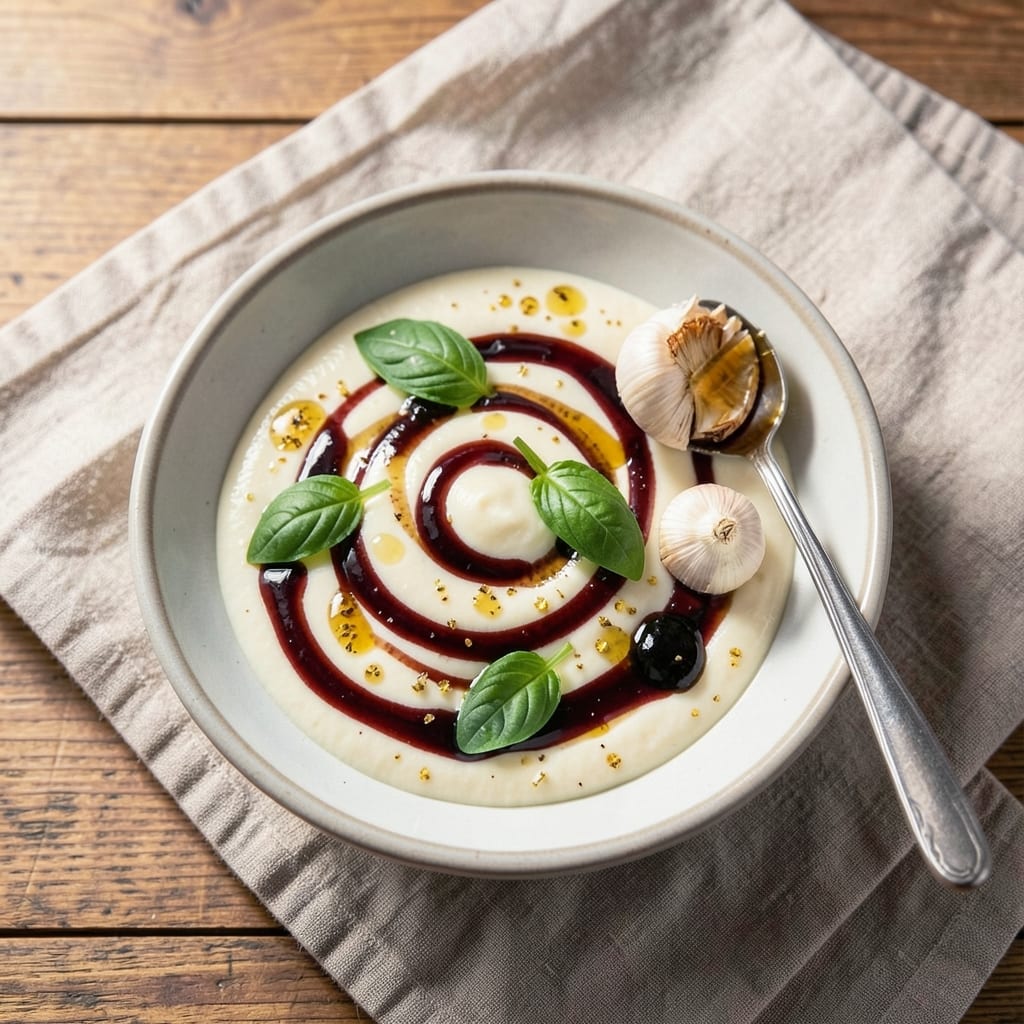
This balsamic Dijon salad dressing recipe delivers the perfect balance of creamy richness and bold tang that elevates every salad. The secret lies in emulsifying olive oil and vinegar with Dijon mustard, creating a velvety texture that coats greens beautifully. I've perfected this formula over years of testing, ensuring it stays stable whether you shake or whisk it.
The foundation is simple: high-quality olive oil, aged balsamic vinegar, and Dijon mustard work together to create depth of flavor. A touch of honey rounds out the sharpness, while fresh herbs add brightness. What sets this apart is how the mustard acts as a natural emulsifier, preventing separation even after days in the fridge.
What you'll end up with is a dressing that's creamy yet tangy, with layers of flavor that transform simple greens into a gourmet meal. The balsamic adds complexity, the Dijon brings heat, and the olive oil provides richness—all perfectly balanced. This versatile dressing works on everything from classic Caesar salads to hearty grain bowls.
Make a double batch and store it in the refrigerator for up to two weeks. The flavors actually develop and deepen over time, making this one of those pantry staples you'll reach for again and again. Here's how to create it from scratch in minutes.
Ingredients for balsamic dijon salad dressing
Six simple ingredients transform into a velvety dressing that clings to greens perfectly.
| Ingredient | Amount | Notes |
|---|---|---|
| Extra-Virgin Olive Oil 🫒 | ¾ cup | High-quality, fruity variety preferred |
| Aged Balsamic Vinegar 🍷 | ½ cup | At least 12 years aged for depth |
| Dijon Mustard 🌶️ | 2 tbsp | Whole grain preferred for texture |
| Honey 🍯 | 1 tbsp | Light or wildflower variety |
| Fresh Garlic Cloves 🧄 | 1 whole | Minced for smooth texture |
| Fresh Basil Leaves 🌿 | ¼ cup | Chopped, stems removed |
| Dried Oregano 🍃 | ½ tsp | Or 1 tsp fresh oregano |
| Salt 🧂 | ½ tsp | Diamond Crystal preferred |
| Black Pepper 🌶️ | ¼ tsp | Freshly ground for best flavor |
| Lemon Juice 🍋 | 1 tbsp | Freshly squeezed for brightness |
The olive oil and balsamic are non-negotiable for that signature depth. Trader Joe's has great affordable options for both—look for extra-virgin olive oil labeled 'fruity' or 'light'. Aged balsamic should be dark and syrupy, not clear. I always grab the 12-year aged from the gourmet aisle. Fresh garlic and basil make all the difference, but dried oregano works in a pinch if you're short on time. The Dijon mustard is your emulsifier—Maille or Amoy brands are my go-tos, but any good-quality Dijon will work.
No honey? Maple syrup at half the amount works beautifully. Short on fresh herbs? Dried basil or thyme at one-third the quantity still adds flavor. The lemon juice can be swapped for apple cider vinegar if you prefer tangier notes. For a smoother texture, strain the dressing through a fine-mesh sieve after mixing. If it separates, just whisk or shake vigorously—this dressing is designed to come back together. The salt and pepper are easy to adjust, so taste as you go.
This dressing keeps beautifully in the fridge for up to 2 weeks, and honestly tastes better after a day or two as the flavors meld. Store it in a clean glass jar with a tight lid. Shake well before each use. For a quick meal prep hack, divide it into small containers—perfect for salads on the go. If it thickens, add a splash of water or lemon juice to loosen it up.
Why You'll Love This Recipe
- Five-Ingredient Magic: I swear, this dressing comes together with fewer ingredients than my morning coffee order. Just whisk those five pantry staples—no fancy gadgets, no stress—and you’ve got something that tastes like a restaurant made it.
- Garlic-Kissed Balance: That raw garlic clove? It’s the secret weapon. It cuts through the richness of the olive oil and aged balsamic, then the honey and Dijon mustard smooth it out into something ridiculously good—tangy, sweet, and just sharp enough to make your taste buds sit up and take notice.
- Weeknight to Dinner Party: Honestly, I’ve drizzled this over greens for a lazy Tuesday lunch and served it with grilled chicken at a holiday spread. It’s that kind of dressing—unfussy enough for a quick salad but fancy enough to impress when you’re actually trying. The aged balsamic adds depth that makes it feel special, no matter the occasion.
- Make-Ahead Money-Saver: Between us, I always double the batch. The leftovers keep for weeks in the fridge, and it costs me pennies per serving. No last-minute store runs, no overpriced pre-made bottles—just this rich, flavorful dressing waiting in my fridge to rescue a sad salad or elevate a simple plate.
Step-by-step instructions for balsamic Dijon salad dressing
This dressing comes together faster than you can say "toss the salad."
Whisk Together the Creamy Base
In a medium bowl, combine the 0.75 cup extra-virgin olive oil with the 2 tbsp Dijon mustard. Use a whisk and work in a circular motion for 30 seconds until the mustard is completely dissolved and the mixture begins to thicken slightly. The olive oil should look emulsified rather than separated.
Here's the thing—this initial whisking creates the foundation for that velvety texture. If you rush it, you'll end up with a dressing that separates later. I like to pause occasionally to scrape down the sides of the bowl with a rubber spatula to make sure everything gets fully incorporated.
Add Sweetness and Acid Balance
Next, stir in the 1 tbsp honey and 1 tbsp lemon juice using a wooden spoon. You'll notice the mixture lighten in color as the honey and lemon juice blend in. This is where the dressing starts to develop its signature balance—sweet from the honey, bright acidity from the lemon, and that rich olive oil base.
This combination prevents the dressing from being too sharp or overly sweet. The honey also helps to slightly thicken the dressing, which is particularly important if you plan to use it on heartier salads like kale or roasted vegetable mixes. Taste it now—it should be pleasantly sweet and tangy but still need the depth from the vinegar and garlic.
Incorporate Aromatics and Herbs
Add the 1 minced fresh garlic clove, 0.25 cup chopped fresh basil leaves, 0.5 tsp dried oregano, 0.5 tsp salt, and 0.25 tsp black pepper to the bowl. Give everything a thorough stir with the wooden spoon until the garlic and herbs are evenly distributed. The basil should look like it's floating throughout the dressing rather than clumping in one spot.
I always use freshly minced garlic here—it makes a noticeable difference in flavor. The basil adds that fresh, slightly peppery note that rounds out the dressing beautifully. If you're using fresh oregano instead of dried, you'll want to use about 1 tsp instead, as fresh herbs are more potent. This is the moment that matters: the herbs should be fully dispersed but still visible, giving the dressing texture and visual appeal.
Finish with the Balsamic Vinegar
Now comes the star of the show—the 0.5 cup aged balsamic vinegar. Add it slowly while whisking continuously. You'll see the dressing transform as it thickens and develops a glossy sheen. The vinegar should be fully incorporated after about 1 minute of whisking, creating a smooth, emulsified dressing that clings beautifully to greens.
If the dressing starts to look too thick, you can thin it with 1-2 teaspoons of water or a splash of lemon juice. The aged balsamic vinegar is what gives this dressing its depth and complexity. I always use at least a 12-year aged variety—it's worth the investment for that rich, caramel-like flavor that sets this dressing apart from basic vinaigrettes.
Let It Rest and Taste
Cover the bowl with plastic wrap and let the dressing rest at room temperature for 10-15 minutes. This resting period allows the flavors to meld together and the dressing to reach its ideal consistency. The longer it sits, the more balanced and cohesive the flavors become.
After resting, give the dressing another stir and taste it. It should be creamy with a perfect balance of sweet, tangy, and savory notes. If it needs more acidity, add a splash of lemon juice. If it's too thick, thin it with a teaspoon of water. This dressing keeps well in the refrigerator for up to 1 week, so you can make a big batch and use it all week long on everything from simple green salads to hearty grain bowls.
Pro Tips For Making Balsamic Dijon Salad Dressing
- Whisk in stages: Start by mixing the Dijon mustard and honey first—this keeps the garlic from turning bitter too fast. Then drizzle in the olive oil and balsamic vinegar slowly while whisking constantly, or you’ll end up with a separated mess that takes forever to re-emulsify.
- Use room-temperature garlic: Cold garlic from the fridge clings to the whisk and makes the dressing clump. Mince it 10 minutes before mixing, or even better, let the whole clove sit out while you prep the other ingredients—it blends smoother and releases flavor better.
- Skip the cheap balsamic: Aged balsamic vinegar costs more, but cheap versions taste like vinegar with a hint of regret. The real stuff has depth—caramelized, rich notes that actually cut through the sweetness of the honey instead of fighting it.
- Taste before adding salt: The honey and Dijon already pack saltiness, so you’ll overdo it if you salt blindly. Take a small spoonful of the dressing first—if it tastes flat, add a pinch of flaky salt after tasting, not before. Trust your palate, not the recipe.
Best sauces and condiments for this dish
Classic Caesar Upgrade
This dressing transforms classic Caesar salads by adding depth to the creamy base. Toss it with romaine hearts, shaved Parmesan, and crispy croutons for a restaurant-quality dish. The balsamic sweetness complements the anchovies and garlic perfectly, while the Dijon mustard adds a subtle tang that cuts through the richness. 🥗
Grain Bowl Elevator
Use this dressing to elevate quinoa or farro bowls by drizzling it over roasted vegetables and protein. The creamy texture clings beautifully to grains while the balsamic adds complexity. I love pairing it with grilled chicken, roasted sweet potatoes, and avocado slices for a satisfying meal. The dressing's balance makes it work with both warm and cold components.
Pasta Perfection
Toss this dressing with cooked penne pasta and cherry tomatoes for a quick, flavorful meal. The creamy texture coats the pasta beautifully while the balsamic adds a touch of sophistication. Add grilled shrimp or crispy bacon bits for extra protein. This works especially well with whole wheat pasta for added texture and nutrition.
Veggie Plate Enhancer
Drizzle this dressing over roasted or steamed vegetables like asparagus, brussels sprouts, or zucchini noodles. The balsamic sweetness caramelizes slightly when heated, creating a glossy finish that enhances the natural flavors of the vegetables. I often serve it alongside grilled chicken or tofu for a complete meal. 💫
Breakfast Boost
Add this dressing to breakfast dishes like avocado toast or scrambled eggs for a flavorful twist. The creamy texture and tangy notes complement the richness of eggs beautifully. I like to sprinkle everything bagel seasoning or fresh chives on top for extra flavor. It's a game-changer for your morning routine!
Dipping Sauce Star
Use this dressing as a dip for crudités, fresh breadsticks, or grilled halloumi. The creamy texture and bold flavors make it perfect for sharing at parties or game day gatherings. The balsamic adds a touch of sophistication that elevates simple appetizers. Serve it chilled for the best experience. 🍽️
Nutrition facts
Frequently asked questions
Why does my balsamic Dijon dressing separate?
Separation usually happens when oil and vinegar aren't properly emulsified. The Dijon mustard is key—whisk it thoroughly with the olive oil first for 30 seconds to create a stable base. If it happens later, simply shake or whisk vigorously to recombine. For extra insurance, add 1 tsp cornstarch mixed with water to thicken it slightly.
Can I make this dressing without honey?
Swap the honey for 1 tbsp maple syrup or 1 tsp agave nectar for similar sweetness. For a tangier version, omit it entirely and add an extra ½ tbsp lemon juice instead. The dressing will still taste balanced—just slightly more acidic.
How long does this dressing last in the fridge?
This creamy dressing stays fresh for up to 2 weeks when stored in an airtight glass jar. The flavors actually improve as they meld! For best results, shake well before each use. If it thickens, thin with 1 tsp water or lemon juice. The aged balsamic helps preserve it longer than regular vinegar.
What's the best way to use this on kale salads?
Massage the kale with a little olive oil first to soften it, then toss with your favorite greens. This dressing clings beautifully to kale's tougher leaves. For extra richness, add ¼ cup crumbled goat cheese or toasted walnuts after dressing. The balsamic's sweetness balances kale's bitterness perfectly.
Can I substitute regular mustard for Dijon?
Regular mustard works, but you'll lose that signature depth. Dijon has finer grains that emulsify better and add subtle heat. If you must substitute, use 1 tbsp regular mustard + ½ tbsp olive oil to mimic the texture. For a stronger flavor, add an extra ½ tsp garlic powder to compensate.