
Salads
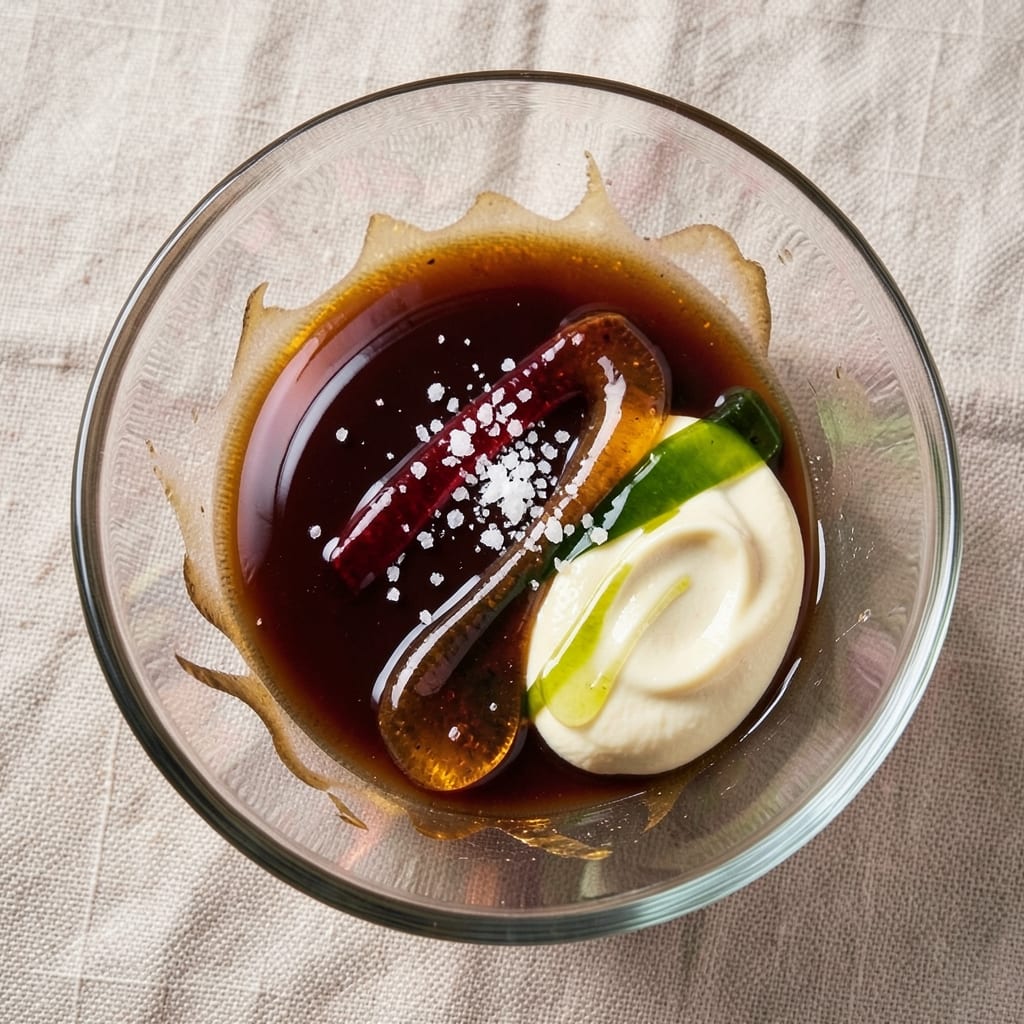
This balsamic reduction salad dressing transforms simple greens into gourmet masterpieces with just five ingredients and a 10-minute reduction. The key lies in simmering balsamic vinegar until it thickens into a deep, glossy glaze—rich, tangy, and complex enough to elevate any dish beyond basic vinaigrette. I developed this recipe after realizing store-bought reductions never quite captured that restaurant-quality depth, so I perfected the technique at home.
The process couldn’t be simpler: combine balsamic vinegar, honey, and a pinch of salt, then reduce by half over medium heat. Once cooled, whisk in olive oil and Dijon mustard to create an emulsified dressing that clings beautifully to salads, roasted vegetables, or grilled meats. The result is a glossy, syrupy glaze that adds both sweetness and acidity in perfect balance.
What makes this dressing truly versatile is its ability to adapt—drizzle it over arugula with shaved parmesan, toss it with roasted Brussels sprouts, or use it as a marinade for chicken. The reduction keeps for up to two weeks in the fridge, making it a pantry staple for quick, elegant meals. No special equipment is needed, just patience for the reduction step.
The secret to success? Low and slow heat—rushing the reduction burns the vinegar, turning it bitter. Let it simmer until it coats the back of a spoon, then cool completely before emulsifying. This method ensures every drop delivers that restaurant-worthy depth without the fuss. Ready to elevate your salads?
Ingredients for balsamic reduction salad dressing
Five ingredients transform basic vinegar into a restaurant-quality balsamic glaze for salads.
| Ingredient | Amount | Notes |
|---|---|---|
| Balsamic Vinegar 🍷 | ½ cup | High-quality aged balsamic preferred |
| Raw Honey 🍯 | 2 tbsp | Local honey for floral notes |
| Diamond Crystal Kosher Salt 🧂 | ¼ tsp | Fine grain preferred |
| Extra-Virgin Olive Oil 🫒 | ½ cup | Fruity, peppery variety |
| Dijon Mustard 🌶️ | 1 tbsp | Mild or strong according to taste |
The balsamic vinegar is the foundation—aged, high-quality balsamic delivers that deep, complex flavor. Look for brands like Giovanni Rossi or Balsamic Vinegar of Modena at specialty stores or well-stocked grocery chains. The honey should be raw to preserve its floral notes, and local varieties add subtle regional character. Salt is non-negotiable; Diamond Crystal kosher dissolves smoothly without graininess. For the olive oil, seek extra-virgin with peppery finish—California Olive Ranch or Colavita are reliable choices.
No aged balsamic? Regular balsamic vinegar plus 1 tsp maple syrup mimics the depth. Substitute honey with agave nectar if avoiding raw products. For Dijon mustard, whole-grain mustard at half the amount adds texture. Olive oil shortages? Avocado oil works, though flavor differs slightly. The reduction technique is critical—low and slow heat prevents burning, ensuring that glossy, syrupy finish.
Store the reduction in a clean glass jar with a tight seal, refrigerated. It keeps for up to 2 weeks—the flavor actually deepens over time. For longer storage, freeze in ice cube trays, then transfer cubes to a bag. Once emulsified with olive oil and mustard, the dressing remains stable for 1 week. Shake well before each use, as separation occurs naturally. Portion into small containers for meal prep convenience.
Why You'll Love This Recipe
- Five-Ingredient Magic: I swear by this combo—just vinegar, honey, mustard, oil, and salt. No fancy gadgets, no stress, and honestly? It’s the kind of dressing I make when I’m too tired to think.
- Sweet-Savory Balance: The honey cuts through the tang of balsamic so smoothly, it’s like a flavor hug. Dijon mustard adds that little kick, making it way more interesting than store-bought—trust me, your greens will thank you.
- Weeknight Workhorse: Drizzle it on salads, toss it with roasted veggies, or even use it as a marinade. I’ve even poured it over grilled chicken when I’m lazy. It’s my go-to when I don’t want to overthink dinner.
- Pantry Staple Power: You’re already using these ingredients for other things—why not make them work harder? A little goes a long way, so you’ll have leftovers for days, and the cost? Ridiculously cheap. Win-win.
Step-by-step instructions for balsamic reduction salad dressing
This method delivers a rich, glossy reduction with perfect balance every time.
Simmer the Balsamic Vinegar to Deepen Flavor
Pour the 0.5 cup balsamic vinegar into a small saucepan and place it over medium-high heat. Bring to a gentle boil, then immediately reduce to medium-low heat. Let it simmer uncovered for 8-10 minutes, stirring occasionally with a silicone spatula.
Watch closely as the vinegar reduces by about half—you'll see it transform from a clear liquid to a thick, syrupy consistency with a deep mahogany color. This reduction concentrates the flavor and creates that signature glossy finish. If it starts to bubble too vigorously, reduce the heat slightly to prevent splattering.
Here's the thing—don't rush this step. The longer you simmer (up to 12 minutes), the more complex and caramelized the flavor becomes. I've found that 10 minutes gives you the perfect balance between intensity and smoothness for a salad dressing.
Whisk in Honey and Mustard for Balance
Remove the reduced balsamic from heat and let it cool for 2-3 minutes—it should be warm but not hot to the touch. Add the 2 tablespoons raw honey and 1 tablespoon Dijon mustard, then whisk vigorously until completely combined and smooth.
The honey will help balance the acidity of the balsamic while adding natural sweetness. The Dijon mustard adds depth and a subtle tang that prevents the dressing from tasting one-note. Whisk for about 30 seconds to ensure everything is fully incorporated and the honey has melted completely into the reduction.
This is where the magic happens—these two ingredients transform the balsamic from a simple reduction into a complex, multi-dimensional dressing. If you're using a particularly strong Dijon, you might want to reduce the honey slightly to 1.5 tablespoons to maintain balance.
Gradually Incorporate Olive Oil for Emulsion
With the mixture still warm, begin adding the 0.5 cup extra-virgin olive oil very slowly—about 1 tablespoon at a time—while whisking constantly. This gradual approach prevents the oil from separating and creates a stable emulsion that will coat your salad perfectly.
Continue whisking vigorously for 1-2 minutes after adding all the oil. The dressing should thicken slightly and develop a velvety texture. If it looks too thick, you can thin it with 1-2 teaspoons of warm water or additional balsamic reduction. The goal is a consistency that coats the back of a spoon but remains pourable.
I like to let the dressing rest for 5 minutes before using it. This allows the flavors to meld completely and the emulsion to stabilize. The result should be a glossy, syrupy dressing that clings beautifully to greens and other salad components.
Season and Adjust to Perfection
Add the 0.25 teaspoon Diamond Crystal kosher salt and whisk once more to distribute evenly. Taste the dressing immediately—this is your quality control moment. The acidity of the balsamic should be balanced by the sweetness of the honey, with the olive oil providing richness and the mustard adding complexity.
At this stage, you might need to adjust the balance. If it's too acidic, add a touch more honey. If it's too sweet, add a splash of additional balsamic reduction. For more depth, you could even add a pinch of black pepper or a few drops of vanilla extract. Remember, you can always adjust the dressing once it's on your salad, so don't be afraid to experiment.
The dressing should keep well in an airtight container in the refrigerator for up to 2 weeks, though I find it's best used within 5-7 days for maximum freshness. Before using, give it a good stir and adjust the consistency with a splash of water if needed. This dressing transforms simple salads into gourmet experiences.
Pro Tips For Making Balsamic Reduction Salad Dressing
- Simmer Slow and Steady: I learned this the hard way—cranking the heat too high on balsamic vinegar turns it bitter before it thickens. Keep it at a gentle simmer (small bubbles, barely there) for 10-15 minutes, stirring occasionally. The goal is syrup, not smoke.
- Whisk the Mustard First: Mix the Dijon mustard with the raw honey before adding vinegar—this emulsifies the mustard properly and prevents clumping. I used to add it last, and the dressing always ended up grainy.
- Salt in Two Stages: Taste the reduction before adding the olive oil, then sprinkle in half the kosher salt. The rest goes after emulsifying—this balances the acidity without overpowering. (Yes, even if you’re impatient like me.)
- Use Cold Oil: Drizzle the extra-virgin olive oil in slowly while stirring vigorously, and keep it chilled in the fridge until the last second. Warm oil breaks emulsions faster—your dressing stays glossy longer. (Your future self will thank you.)
Pro cooking tips for balsamic reduction salad dressing
Heat Control Secrets
Your stove's heat setting makes all the difference in balsamic reduction. I use medium-low heat after the initial boil to prevent burning—any higher and you risk bitter flavors. A small saucepan (8-inch diameter) works best for even heat distribution. If your burner gets too hot, try placing the pan on a trivet or cooling rack to diffuse heat. 🌡️
Stirring Technique
Constant stirring prevents scorching and helps create that glossy finish. Use a silicone spatula—it won't scratch your pan and provides better heat resistance than metal. Stir every 30-60 seconds during the reduction, especially when bubbles form. The goal is to coat the back of your spoon with thick, syrupy liquid—this tells you it's ready.
Cooling Phase
Never rush the cooling step after reduction. Let the balsamic sit for 5-10 minutes before adding honey and mustard—this prevents the honey from crystallizing. I place my pan on a wire cooling rack over a bowl to catch any drips. The mixture should be warm to the touch (around 110°F) before emulsifying with oil.
Emulsification Tips
For a foolproof emulsion, add oil drop by drop at first, then gradually increase to tablespoons. A handheld immersion blender works wonders if you prefer not to whisk—just pulse for 10-15 seconds after adding all the oil. If separation occurs later, simply shake vigorously or whisk again. The key is patience—rushing creates a broken dressing.
Flavor Boost Hacks
Want extra depth? Add 1 crushed garlic clove to the reduction while simmering, or infuse with 2 basil leaves for 5 minutes before straining. For smoky notes, stir in ½ teaspoon smoked paprika after emulsifying. These additions transform your dressing from good to restaurant-quality without altering the core technique.
Nutrition facts
Frequently asked questions
Can I make this balsamic reduction without honey?
Yes! Substitute honey with 1.5 tablespoons maple syrup or 1 tablespoon agave nectar for a similar sweetness. For a savory twist, skip sweeteners entirely and add ½ teaspoon balsamic glaze powder (available at specialty stores) or a pinch of cinnamon to complement the vinegar's depth.
How do I fix a dressing that separates after refrigeration?
Simply whisk or shake the dressing vigorously for 30-60 seconds until fully re-emulsified. If it still separates, add 1 teaspoon warm water or a splash of additional balsamic reduction, then whisk again. The emulsion should stabilize within minutes. For future batches, ensure the oil is added gradually while whisking over warm (not hot) liquid.
What are the best salads to pair with this dressing?
This glossy reduction shines on bitter greens like arugula or radicchio, but also elevates roasted vegetables (think Brussels sprouts or beets), grilled meats (chicken, shrimp, or steak), and cheese boards. For a lighter option, drizzle over watermelon or pear slices—the sweetness balances beautifully.
Can I make the reduction ahead of time? The balsamic reduction keeps for up to 2 weeks in the fridge, and the flavor actually intensifies over time. Store it in a clean glass jar with a tight seal. When ready to use, simply whisk in the olive oil and mustard
Why did my reduction turn bitter?
Bitter flavor usually means the vinegar was overcooked or burned. To prevent this, maintain medium-low heat after the initial boil and stir constantly. If it does happen, try balancing the bitterness by adding extra honey (1-2 tsp)** or a pinch of salt. For future batches, reduce the heat further or use a smaller saucepan for better heat control.