
Salads
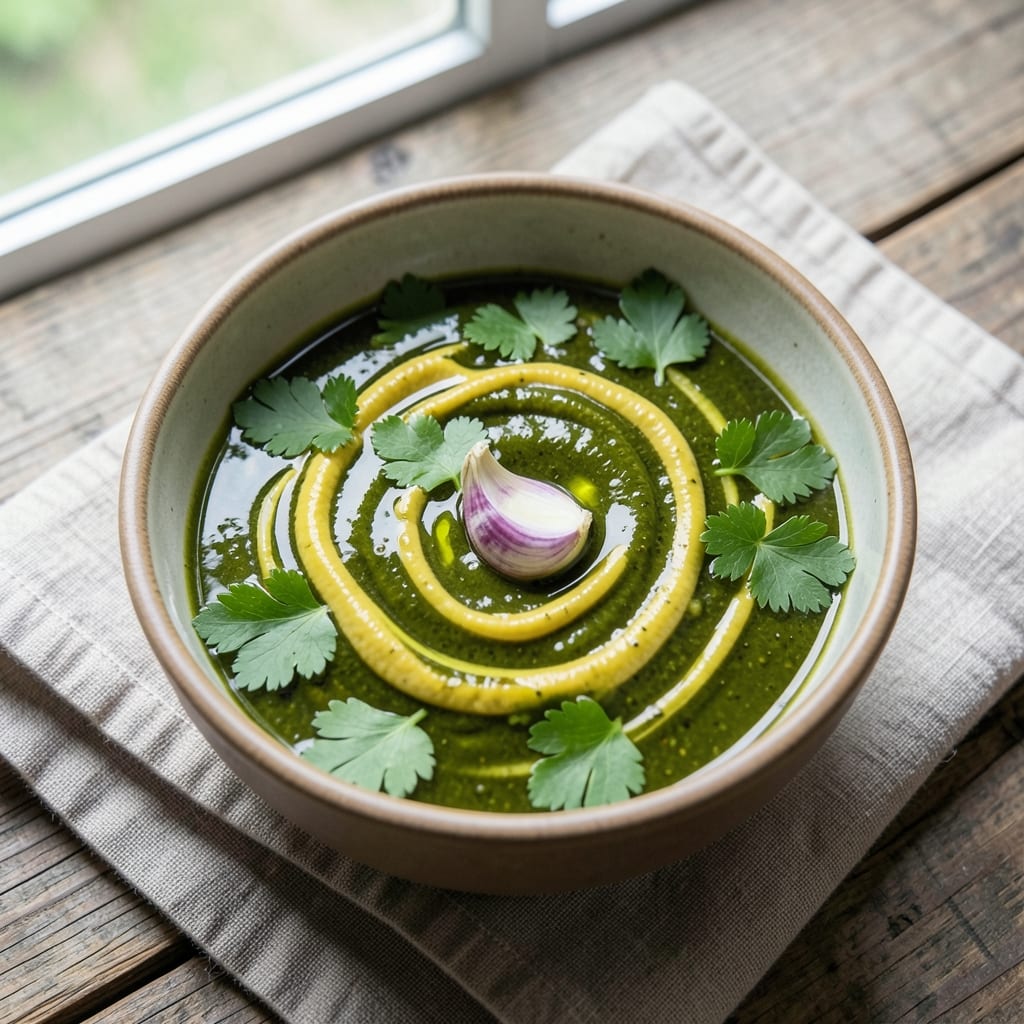
This basic oil and vinegar salad dressing recipe is the foundation every home cook needs to elevate simple greens into restaurant-worthy meals. The perfect balance of sharp vinegar and smooth oil creates a dressing that clings beautifully to lettuce, enhances roasted vegetables, and even brightens up grilled proteins. What makes this recipe truly versatile is its simplicity—just four core ingredients, yet the flexibility to customize flavors with herbs, mustard, or spices.
The secret to a perfectly balanced dressing lies in the ratio: start with equal parts oil and vinegar by volume, then adjust to taste. For a classic vinaigrette, use a 3:1 ratio of oil to vinegar, which creates a stable emulsion without needing an emulsifier. A pinch of salt and a touch of Dijon mustard (optional) help bind the ingredients together, ensuring every leaf gets coated evenly. This dressing transforms wilted greens into crisp, vibrant salads in seconds.
What you'll achieve is a dressing that's bright enough to cut through rich ingredients yet mellow enough to complement delicate flavors. It keeps beautifully in the refrigerator for up to two weeks, making it a pantry staple for quick meals. The beauty of this recipe is its adaptability—use it as-is for a clean, classic taste or infuse it with garlic, herbs, or citrus zest for endless variations. Whether you're prepping for a week of lunches or dressing a last-minute salad, this formula delivers consistent, professional results every time.
For best results, whisk the ingredients together just before serving to maintain freshness and texture. If you prefer a thicker dressing, reduce the oil slightly or add a teaspoon of honey or sugar to help the vinegar emulsify. The key is patience—let the flavors meld for at least 10 minutes before using, allowing the acidity to mellow and the oil to fully incorporate. This dressing is the ultimate blank canvas for any salad or dish that needs a bright, balanced finish.
Ingredients for basic oil and vinegar salad dressing
Four core ingredients transform into the perfect salad dressing foundation—bright, balanced, and endlessly adaptable.
| Ingredient | Amount | Notes |
|---|---|---|
| Extra-Virgin Olive Oil 🫒 | ¾ cup | High-quality, fruity variety |
| White Wine Vinegar 🍷 | ¼ cup | Dry, crisp vinegar preferred |
| Dijon Mustard 🍯 | 1 tbsp | For mild tang and binding |
| Diamond Crystal Kosher Salt 🧂 | ¼ tsp | Fine grain for even dissolving |
| Fresh Garlic Cloves 🧄 | 2 cloves | Minced, optional for depth |
| Fresh Parsley Leaves 🌿 | ¼ cup | Chopped, for freshness |
| Honey 🍯 | 1 tsp | For optional sweetness |
The olive oil matters most here—Trader Joe's and Whole Foods carry excellent fruity varieties that won't overpower. Look for extra-virgin with a harvest date within the last year (yes, check the bottle!). For vinegar, Bragg or Annie's are my go-tos—they're consistently crisp and dry. The Dijon mustard? Maille is the gold standard, but any good-quality jarred version works. Fresh garlic and parsley are optional but make this dressing sing—Costco sells pre-minced garlic in jars that save time without sacrificing flavor.
No Dijon? Yellow mustard at half the amount works in a pinch. Vinegar short? Apple cider vinegar or red wine vinegar both work beautifully. Olive oil too expensive? Avocado oil is a budget-friendly alternative with a similar neutral profile. The honey is completely optional but helps balance acidity if you prefer a sweeter dressing. For extra depth, add a pinch of black pepper or smoked paprika—trust me, it elevates everything. This dressing is so forgiving that even store-bought olive oil will work, but the better the ingredients, the better the result.
Store this dressing in a clean glass jar with a tight lid in the fridge for up to 2 weeks. The flavors actually improve as they meld—shake well before each use. For longer storage, transfer to an airtight container and freeze for 3 months. I like to make a big batch on Sundays so I always have dressing ready for quick salads. The parsley will start to wilt after a few days, but don't toss it—the dressing still tastes amazing. If it separates, just whisk it back together before using. This is the ultimate pantry staple that always delivers.
Why You'll Love This Recipe
- Five-Ingredient Magic: I swear by this combo—just oil, vinegar, mustard, salt, and garlic. No fancy gadgets, no measuring cups with confusing lines, just a jar and a whisk. Honestly, it’s the kind of recipe that makes me feel like I’ve earned my dinner.
- Garlic Kiss: That raw garlic clove minced into the mix? It’s the secret weapon. The vinegar mellows the bite just enough while the olive oil smooths it out—like a warm hug for your taste buds. (Yes, even on a Tuesday night.)
- Meal Prep MVP: Double the batch and store it in the fridge for a week. Drizzle it over greens, toss it with roasted veggies, or use it as a marinade. Between us, I’ve even used it to deglaze a pan when I burned dinner. Versatile like that.
- Budget Brightener: Extra-virgin olive oil and good vinegar aren’t cheap, but a little goes a long way. This dressing stretches further than store-bought bottles, and the flavor? Ridiculously good. I’ll be real: my grocery bill thanks me for this.
Step-by-step instructions for bright, balanced salad dressing
This classic oil-and-vinegar dressing comes together in minutes—simple, vibrant, and endlessly adaptable.
Whisk Vinegar and Mustard for Emulsion
In a medium bowl, combine the 0.25 cup white wine vinegar and 1 tablespoon Dijon mustard. The mustard acts as an emulsifier, helping the oil blend smoothly later. Whisk vigorously for 30 seconds until fully incorporated—you should see tiny bubbles forming. This step prevents the dressing from separating later.
I like to use a small whisk for this part so I can control the motion. If your vinegar is particularly acidic, you might feel a slight tingle on your fingers—just a sign of fresh, high-quality ingredients. Set this mixture aside while you prep the remaining ingredients.
Add Honey and Salt for Depth
To the vinegar-mustard mixture, add the 1 teaspoon honey and 0.25 teaspoon Diamond Crystal kosher salt. The honey adds a subtle sweetness that balances the acidity, while the salt enhances all the flavors. Stir well with a spoon until the honey dissolves completely—it should look like a smooth, pale liquid with no visible granules.
This is where the magic happens. The honey not only sweetens but also helps create a silky texture in the final dressing. If you're using a particularly strong vinegar, you might need to adjust the honey to your taste—start with the full amount and add more if needed later.
Gradually Incorporate the Olive Oil
With the whisk ready, slowly drizzle in the 0.75 cup extra-virgin olive oil while whisking continuously. Start with a thin stream and maintain a steady pace—this gradual addition is what creates the creamy emulsion. Whisk for another 1-2 minutes until the dressing thickens slightly and looks uniform.
Here's the thing—if you add the oil too quickly, the dressing will separate. But if you're patient and whisk steadily, you'll end up with a velvety texture that clings beautifully to greens. The olive oil should be fully incorporated with no visible streaks of oil floating on top.
Fold in Garlic and Parsley
Add the 2 minced fresh garlic cloves and 0.25 cup chopped fresh parsley leaves to the dressing. Stir gently with a spoon to combine—you don't want to overmix and break down the emulsion. The garlic adds a subtle depth, while the parsley brings freshness and a pop of color.
Taste and adjust seasoning if needed. If it's too acidic, add a tiny bit more honey. If it needs more salt, add a pinch at a time. The dressing should be bright, balanced, and ready to elevate any salad. For best results, let it sit for 5-10 minutes before using—this allows all the flavors to meld together.
Shake Before Using (Critical!)
Transfer the dressing to a clean jar with a tight-fitting lid. Before each use, give it a good shake—this ensures the ingredients are evenly distributed. The dressing will keep in the refrigerator for up to 2 weeks, making it perfect for meal prep.
This simple dressing is your blank canvas. Use it as-is for a classic vinaigrette, or customize it with herbs, spices, or citrus zest. The beauty of this recipe is its versatility—it works with everything from crisp arugula to hearty kale salads.
Pro Tips For Making Basic Oil And Vinegar Salad Dressing
- Whisk Slowly First: Start with just the mustard and vinegar—no oil—and whisk until smooth. Adding the oil too soon creates a stubborn emulsion that’s harder to blend. I’ve wasted minutes trying to force it, only to realize patience pays off here.
- Toast the Garlic: Smash the garlic cloves flat with the side of your knife, then let them sit in the oil for 5 minutes before adding anything else. The oil draws out the flavor without burning, and you skip the bitter aftertaste that happens when you crush raw garlic into the mix.
- Salt the Mustard: Mix a pinch of salt into the Dijon before adding vinegar—it cuts the sharpness and makes the dressing taste more balanced from the start. I used to add salt at the end, and the dressing always felt a little raw.
- Measure Vinegar First: Pour the vinegar into the mustard, not the other way around. Vinegar is thinner and easier to control, so you avoid splashing. (Yes, it’s a small thing, but it’s the thing that keeps your counter clean and your hands dry.)
Troubleshooting this recipe
Separation Nightmare
If your dressing looks like oil and vinegar are refusing to mix, you're not alone—this is the #1 issue with homemade vinaigrettes. The fix? Whisk like your life depends on it. Start by ensuring your vinegar and mustard are fully emulsified before adding oil. If separation happens later, simply shake or whisk vigorously for 30 seconds before using. For stubborn cases, add ½ teaspoon honey or sugar to help stabilize the emulsion. 💡
Too Thick or Too Thin
Dressing consistency can swing wildly based on ingredient ratios. If it’s too thick, thin with 1 teaspoon water or extra vinegar at a time. For a thicker texture, reduce the oil slightly or add ½ teaspoon cornstarch mixed with 1 tsp water—heat gently to form a slurry, then stir into the dressing. The ideal consistency should coat the back of a spoon without dripping. Always taste first—adjust gradually!
Overpowering Vinegar
If the acidity is too sharp, balance it with sweetness or fat. Add ½ teaspoon honey or maple syrup to mellow the tang, or increase the oil ratio to 4:1 (oil to vinegar). For a smoky twist, stir in ¼ teaspoon smoked paprika—it adds depth without overpowering. If the vinegar flavor is still too strong, try a milder variety like apple cider vinegar next time.
Mustard Clumps or Graininess
Mustard clumps happen when it’s not fully dissolved. Warm the vinegar slightly (just enough to steam) before mixing to help it blend smoothly. For graininess from honey or salt, whisk vigorously while adding these ingredients. If using powdered mustard, sift it first to avoid lumps. Pro tip: Maille Dijon dissolves best—if you’re using a cheaper brand, add 1 teaspoon warm water to the mustard before mixing.
Flavor Fades Too Fast
Fresh ingredients are key—if your dressing tastes flat after a few days, it’s likely the herbs or garlic have oxidized. Store in an airtight glass jar (plastic absorbs odors) and keep it in the fridge’s coldest shelf. For longer shelf life, freeze in ice cube trays—thaw and shake before using. To revive stale dressing, add a splash of fresh lemon juice or a pinch of freshly ground black pepper to brighten flavors.
Oil Doesn’t Emulsify
If oil refuses to blend, you’re likely adding it too quickly. Drizzle slowly while whisking continuously—this creates tiny oil droplets that suspend in the vinegar. For extra insurance, add 1 teaspoon Dijon mustard (even if already included) or 1 egg yolk (for richer dressings). Avoid metal bowls—glass or ceramic prevents chemical reactions that can break emulsions. If all else fails, blend briefly with an immersion blender for 10 seconds. ✨
Nutrition facts
Frequently asked questions
Can I make this dressing without Dijon mustard?
Use 1 tablespoon yellow mustard instead, but reduce to half the amount (about ½ tablespoon) since it's stronger. For a tangy kick without mustard, add ½ teaspoon lemon juice or 1 teaspoon honey to help emulsify the oil. The mustard is optional but helps create that signature creamy texture that clings to greens.
How do I adjust the dressing for different salads?
For bitter greens like arugula or radicchio, use a 4:1 oil-to-vinegar ratio (more oil) to mellow the bite. For delicate greens like spinach or butter lettuce, stick with the 3:1 ratio or add a touch of honey. For hearty salads with roasted veggies or grilled chicken, boost the vinegar to 1:1 ratio for extra brightness.
Why does my dressing separate after a few days?
Oil and vinegar naturally separate because they don't mix—it's not a failure! Shake or whisk vigorously before each use to re-emulsify. To prevent separation, store in a glass jar (not plastic) and keep it in the back of the fridge where it's coldest. For extra stability, add ½ teaspoon honey when making it, as it helps bind the ingredients.
Can I use this dressing on non-salad dishes?
Yes! This versatile dressing works beautifully on grilled meats, roasted vegetables, pasta dishes, or even as a marinade. For meats, reduce the vinegar to ¼ cup and add 1 teaspoon soy sauce or 1 clove minced garlic for depth. For veggies, toss with ¼ teaspoon smoked paprika before roasting. The key is balance—adjust ratios to complement the dish's richness.
What’s the best way to store leftovers?
Transfer to a clean glass jar with a tight lid and store in the fridge for up to 2 weeks. Before using, give it a good shake—this ensures even distribution. For longer storage, freeze in ice cube trays (thaw and shake before using). Avoid metal spoons when serving, as they can react with the vinegar over time.