
Salads
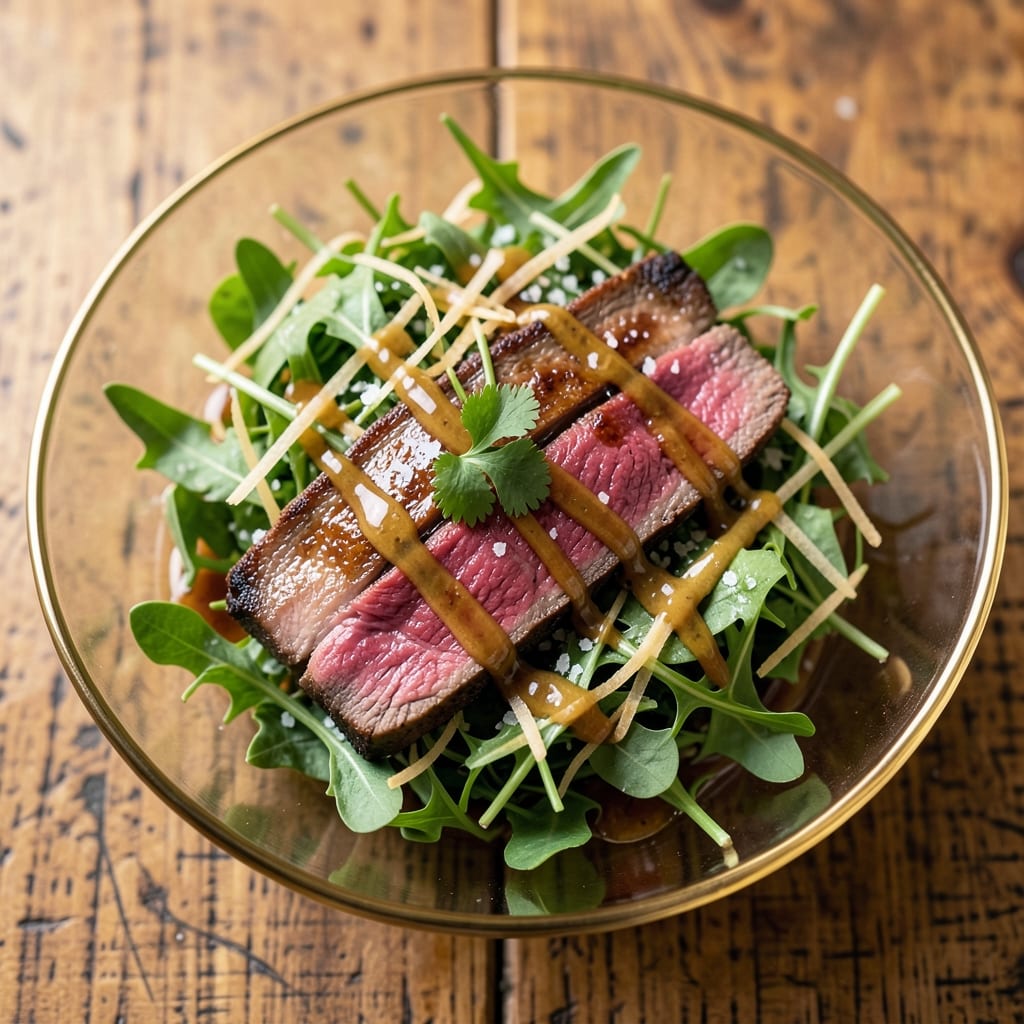
This beef tenderloin salad recipe transforms a classic steakhouse cut into an elegant, restaurant-worthy dish you can make at home. The secret lies in perfectly seared juicy beef tenderloin slices paired with peppery arugula and a bright balsamic vinaigrette that cuts through the richness. I've refined this technique over years of testing—balancing high heat for a caramelized crust while keeping the interior tender and moist.
What sets this salad apart is the technique: starting with a hot pan to create that signature crust, then finishing the beef in the oven to ensure even cooking. The balsamic vinaigrette adds depth without overpowering the beef's natural flavor, while toasted walnuts and shaved parmesan contribute satisfying textures. This isn't just a salad—it's a complete meal with protein, freshness, and sophisticated flavors.
By the time you plate this dish, you'll have perfectly seared beef tenderloin slices with a tender interior, vibrant arugula, and a dressing that enhances rather than competes with the main ingredient. The result is a visually stunning dish that's just as impressive as it is delicious—ideal for special occasions or when you want to elevate your weeknight dinner.
Serve immediately for the best texture contrast between the warm beef and crisp salad components. The recipe scales beautifully for gatherings, and the leftovers reheat surprisingly well for lunch the next day. Let's get cooking—this is the kind of dish that makes home cooking feel like a restaurant experience.
Ingredients for beef tenderloin salad
Juicy beef tenderloin meets peppery arugula—this salad delivers restaurant-quality flavor with just 13 ingredients.
| Ingredient | Amount | Notes |
|---|---|---|
| Beef Tenderloin 🥩 | 1 ½ lb | Center-cut, trimmed of fat |
| Baby Arugula 🌿 | 8 oz | Fresh, peppery leaves |
| Extra-Virgin Olive Oil 🫒 | ¼ cup | For searing beef |
| Balsamic Vinegar 🍷 | ¼ cup | Aged, dark variety |
| Dijon Mustard 🥫 | 1 tbsp | For vinaigrette depth |
| Honey 🍯 | 1 tbsp | Wildflower preferred |
| Walnut Halves 🥜 | ½ cup | Toasted for crunch |
| Parmesan Cheese 🧀 | ½ cup | Freshly shaved |
| Garlic Cloves 🧄 | 3 cloves | Minced for vinaigrette |
| Kosher Salt 🧂 | 1 ½ tsp | Diamond Crystal preferred |
| Freshly Ground Black Pepper 🌶️ | 1 tsp | Coarsely cracked |
| Red Wine Vinegar 🍷 | 1 tbsp | For vinaigrette balance |
| Thyme Leaves 🌿 | 1 tsp | Fresh, chopped |
The beef tenderloin is non-negotiable here—center-cut with visible marbling ensures juicy results. Whole Foods or your local butcher will have the best quality; look for a piece with even grain. If you can't find center-cut, trim excess fat yourself. For extra insurance, bring the beef to room temperature before cooking. The arugula should be bright green and crisp—avoid wilted leaves, which happen fast. I always buy mine from the produce section the morning of cooking to keep it fresh.
No aged balsamic? Red wine vinegar plus 1 tsp maple syrup works in a pinch. Toasting the walnuts transforms them—dry pan over medium heat for 5-7 minutes until fragrant. For the vinaigrette, Dijon mustard adds depth, but whole-grain mustard is a good swap. Fresh thyme is ideal, but dried at one-third the amount gets you close. The honey should be wildflower or clover—avoid processed honey, which lacks complexity. If your Parmesan isn't shaved, use a microplane for the finest texture.
Beef tenderloin slices best served immediately, but the salad components keep well. Store dressed arugula for up to 2 hours (no longer, or it'll wilt), and toasted walnuts in an airtight container for 3 days. The beef reheats surprisingly well—20 seconds in a screaming-hot pan restores tenderness. For gatherings, double the vinaigrette and store it separately; toss with salad just before serving. The Parmesan shavings add best flavor fresh, but you can sprinkle them on right before eating.
Why You'll Love This Recipe
- No Fuss, Big Payoff: I swear by this when I’m too tired to fuss—just sear the tenderloin in a hot pan with olive oil, slice it thin, and toss it with peppery arugula. The balsamic and Dijon dressing comes together in a bowl while the beef rests, so no one’s standing around waiting.
- Rich Meets Peppery: That first bite? Buttery, melt-in-your-mouth beef against the sharp kick of arugula—it’s like a fancy steak and salad had a lovechild. Honestly, the balsamic glaze ties it all together with this sweet-tangy magic that makes it taste restaurant-worthy without trying.
- Office Lunch Hero: Between us, this is my go-to for meal prep because it holds up perfectly for days. Pack the beef and greens separately, then drizzle the dressing when you’re ready—no soggy salads here. (Yes, even on a Tuesday night when you’re craving something that doesn’t involve a sad desk sandwich.)
- Leftovers That Don’t Suck: The best part? The next day, those slices of tenderloin are still so good, you’ll eat them straight from the fridge. I’ll be real: I’ve turned them into wraps, tossed them into pasta, or just reheated them with a sprinkle of flaky salt. No waste, all flavor.
Step-by-step instructions for juicy beef tenderloin salad
This method delivers melt-in-your-mouth steak bites with perfect sear and tender interior.
Prepare the Beef Tenderloin for Cooking
Remove the beef tenderloin from the refrigerator and let it sit at room temperature for 30 minutes before cooking. This ensures even cooking throughout. While it rests, trim any remaining fat from the surface using a sharp boning knife—we want the fat cap reduced to about 1/8-inch thickness for optimal browning.
Pat the tenderloin completely dry with paper towels, especially in the crevices. Any moisture left on the surface will prevent proper searing. Season generously with 1.5 teaspoons kosher salt and 1 teaspoon freshly ground black pepper, pressing the seasoning into the meat so it adheres well. The salt will also help draw out moisture from the surface, creating that perfect crust.
Sear the Tenderloin to Perfection
Heat a heavy skillet over medium-high heat until it's smoking hot. Add 2 tablespoons of the extra-virgin olive oil (reserve the rest for the vinaigrette) and swirl to coat the pan. Place the tenderloin in the skillet and sear for 4-5 minutes per side, until a deep golden brown crust forms. This isn't just about color—you're building flavor through the Maillard reaction.
For even cooking, I rotate the tenderloin 90 degrees halfway through each side. Use tongs to avoid piercing the meat, which would release precious juices. You'll know it's ready when the internal temperature reaches 125°F on a meat thermometer—this gives you perfectly medium-rare beef with a juicy interior and crispy exterior.
Create the Balsamic-Honey Vinaigrette
While the beef rests, whisk together ¼ cup balsamic vinegar, 1 tablespoon red wine vinegar, 1 tablespoon Dijon mustard, 1 tablespoon honey, 3 minced garlic cloves, and 1 teaspoon chopped thyme leaves in a small bowl. This combination creates a perfect balance of tangy, sweet, and umami flavors that complement the rich beef.
Slowly drizzle in the remaining ¼ cup extra-virgin olive oil while whisking continuously. The vinaigrette should emulsify into a smooth, glossy dressing. Taste and adjust seasoning with additional salt or pepper if needed. Here's the thing—this dressing should be vibrant and flavorful enough to stand up to the bold beef without being overpowering.
Rest and Slice the Beef
Transfer the seared tenderloin to a cutting board and let it rest for 10-15 minutes before slicing. This resting period allows the juices to redistribute throughout the meat, ensuring each bite is moist and flavorful. Don't skip this step—cutting into the beef too soon will cause all those precious juices to pool on your plate instead of staying in the meat.
Slice the tenderloin against the grain into ½-inch thick medallions. The grain runs lengthwise, so cutting perpendicular to it creates tender, fork-friendly pieces. Arrange the beef slices on a large serving platter, overlapping slightly for an impressive presentation.
Assemble the Salad
In a large bowl, gently toss the 8 ounces baby arugula with ½ cup toasted walnut halves and ½ cup freshly shaved parmesan cheese. The arugula's peppery bite and the walnuts' crunch provide the perfect textural contrast to the tender beef. Divide the greens evenly among four plates or a large serving platter.
Drizzle the prepared vinaigrette lightly over the beef slices and arrange them artfully over the arugula. The key here is balance—you want the beef to be the star, but the vinaigrette should enhance rather than overpower. Serve immediately while the beef is still warm and the vinaigrette is fresh. Each bite should deliver that perfect harmony of tender, juicy beef with bright, flavorful greens and a touch of sweet-tangy dressing.
Pro Tips For Making Beef Tenderloin Salad
- SEAR FIRST, REST LATER: The tenderloin’s crust is everything—get a screaming-hot pan and sear it 2-3 minutes per side before finishing in the oven. I learned this the hard way: skipping the sear means flavorless meat, no matter how perfect the rest of the cooking.
- TRIM THE FAT, NOT THE FLAVOR: Leave a thin layer of fat on the tenderloin—it renders into flavor during cooking. Just wipe it dry with paper towels first; wet fat won’t brown worth a damn.
- DRESS Arugula LAST: Baby arugula wilts faster than you’d think. Toss it with the dressing right before serving, or it’ll turn into sad, limp leaves. If you’re prepping ahead, keep the dressing separate until the final minute.
- USE COLD MUSTARD, NOT ROOM TEMP: Mix the Dijon with the balsamic and olive oil while it’s still chilled—it emulsifies better and won’t separate when tossed with the arugula. I used to do this at room temp, and half the time, it broke into greasy pools.
Common mistakes when making great beef tenderloin salad
Overcooking the Beef
This is the #1 mistake I see—beef tenderloin is forgiving, but pushing it past 130°F internal temperature turns it tough and dry. I've ruined many a perfect sear by overcooking, so always use a meat thermometer and aim for 125-130°F for medium-rare. The crust will stay intact while the interior remains juicy. Trust me, your taste buds will thank you. 🔥
Skipping the Rest
I can't stress this enough: never slice the beef immediately after cooking. Those 10-15 minutes of resting time are crucial for redistributing juices. I've made this mistake at dinner parties—cutting too soon leaves you with dry meat and a pool of juices on the plate. Use this time to assemble your salad or finish your vinaigrette while the beef rests.
Uneven Searing
Uneven heat distribution leads to patchy searing—some areas brown beautifully while others stay pale. To avoid this, use a heavy skillet (I love my Lodge cast iron) and let it get smoking hot before adding the beef. Also, rotate the tenderloin 90 degrees halfway through searing to ensure even browning on all sides. A tongs helps prevent piercing the meat and losing juices.
Wrong Fat Trim
Leaving too much fat on the beef prevents proper crust formation, while trimming too aggressively removes flavor. Aim for a 1/8-inch fat cap—this gives you enough fat to render for flavor while still allowing the meat to sear properly. I always trim with a sharp boning knife and use the trimmed fat for cooking vegetables or making gravy later.
Overdressing the Salad
Drowning the arugula in vinaigrette makes it soggy and dulls its peppery flavor. The key is a light toss—just enough to coat the leaves. I recommend making the dressing separately and letting guests drizzle it on themselves. For this recipe, 2-3 tablespoons per serving is perfect. The beef's natural juices will add enough moisture without needing extra dressing. 💫
Ignoring Room Temp
Cooking beef straight from the fridge leads to uneven doneness and dry results. Always let the tenderloin sit at room temperature for 30 minutes before cooking. This ensures even heat penetration and a perfect medium-rare center. I place mine on a wire rack over a baking sheet to allow air circulation on all sides during this time.
Nutrition facts
Frequently asked questions
Can I use leftover roasted beef tenderloin for this salad?
Leftover beef works beautifully—just slice it ½-inch thick against the grain for that same tender texture. Reheat gently in a skillet for 20 seconds per side to restore juiciness. The salad components should still be fresh and dressed just before serving to maintain crispness. This makes a fantastic lunch option the next day!
What's the best way to store the components separately?
Store the cooked beef in an airtight container for 3-4 days in the fridge, and the salad greens (undressed) for 2 days in a sealed container with a paper towel. Keep the vinaigrette separately—it'll last 5 days in the fridge. Reassemble right before serving to preserve textures. For longer storage, freeze the beef for up to 3 months and thaw overnight in the fridge.
How can I make this salad vegetarian?
Swap the beef for grilled portobello mushrooms (marinated in balsamic and olive oil) or seared tofu cubes (pressed and pan-fried). Keep the same vinaigrette and toppings for the same fresh, peppery contrast. For a meaty texture, try crispy chickpeas or grilled eggplant slices. The salad structure remains identical—just adjust the protein component!
Can I use a different type of greens instead of arugula?
While arugula's peppery bite works perfectly, you can substitute with spinach (softer texture) or mixed baby greens (milder flavor). For a heartier option, try kale massaged with lemon juice to soften it. Just remember that arugula's sharpness balances the rich beef—softer greens may need more vinaigrette or a touch of citrus zest to brighten the dish.
What's the ideal temperature for medium-rare beef?
For perfect medium-rare beef tenderloin, aim for an internal temperature of 125-130°F. Use a meat thermometer to check the thickest part of the cut—this ensures a juicy interior with a flavorful crust. Remember, the temperature will rise 5°F as it rests, so pull it out slightly early. Never guess—this is where a good thermometer saves the day!