
Salads
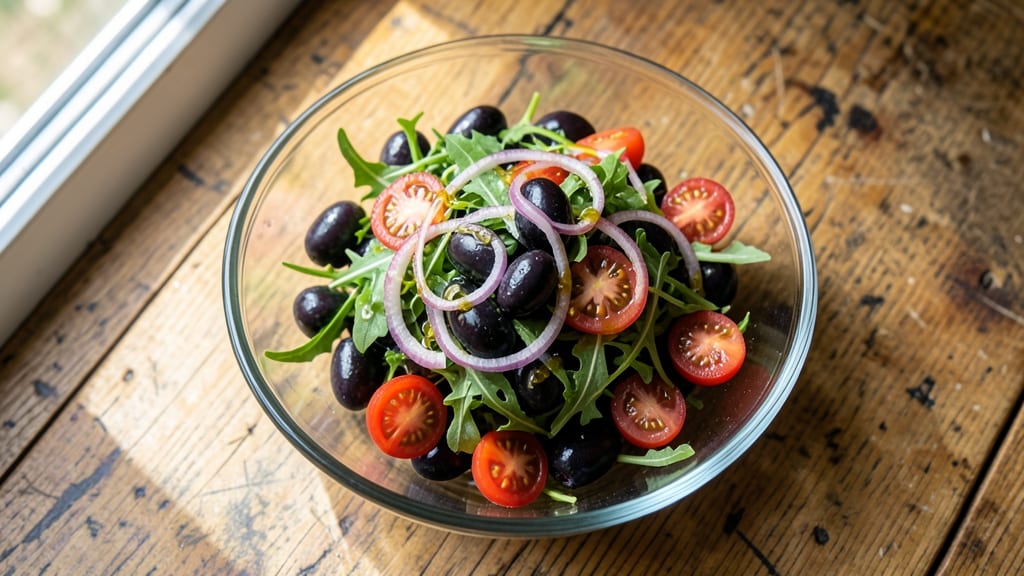
This black olive salad recipe transforms humble pantry staples into a vibrant, briny masterpiece that steals the show at any table. The secret lies in balancing the bold, salty punch of black olives with fresh herbs, crisp vegetables, and a tangy dressing that keeps every bite exciting.
I developed this dish after years of experimenting with Mediterranean flavors—it’s the kind of salad that turns simple ingredients into something restaurant-worthy with minimal effort.
The foundation starts with a bed of crisp greens (arugula or mixed baby lettuce works best) topped with plump black olives, halved cherry tomatoes, and thinly sliced red onion for crunch.
A bright lemon-herb dressing—emulsified with olive oil and Dijon mustard—ties everything together, while optional additions like feta cheese or grilled shrimp add depth for those who want extra protein. The key? Brining the olives briefly before tossing them into the salad enhances their flavor without overpowering the other ingredients.
What you’ll end up with is a salad that’s visually stunning—deep purple olives contrasting against bright greens and red tomatoes—while delivering layers of flavor in every bite. The dressing clings to the olives and vegetables, ensuring each forkful is packed with briny, herby, and tangy notes.
This dish is perfect for lunch, a light dinner, or even as a side for grilled meats and seafood.
Prep time is just 15 minutes, and the salad keeps well in the fridge for up to 24 hours, making it ideal for meal prep.
Whether you’re serving it at a picnic, potluck, or weeknight dinner, this black olive salad proves that simple ingredients can create something extraordinary. Let’s get started!
Ingredients for black olive salad
Transform bold pantry staples into a visually stunning, briny-herb salad masterpiece with Mediterranean flair.
| Ingredient | Amount | Notes |
|---|---|---|
| Black Olives (Kalamata or Niçoise) 🫒 | 1 ½ cups | Pitted, drained, brined briefly |
| Arugula 🌿 | 4 cups | Baby leaves preferred for texture |
| Cherry Tomatoes 🍅 | 1 pint | Halved, seeds removed |
| Red Onion 🧅 | ½ whole | Thinly sliced, soak in cold water |
| Extra-Virgin Olive Oil 🫒 | ½ cup | Light, fruity variety preferred |
| Fresh Lemon Juice 🍋 | 3 tbsp | Freshly squeezed, strained |
| Dijon Mustard 🍯 | 1 tbsp | Mild or strong depending on preference |
| Fresh Parsley 🌿 | ¼ cup | Chopped, stems removed |
| Fresh Dill 🌿 | 2 tbsp | Chopped, for herb zing |
| Garlic Cloves 🧄 | 2 cloves | Minced, for depth of flavor |
| Honey 🍯 | 1 tsp | Wildflower or clover preferred |
| Sea Salt 🧂 | 1 tsp | Fine grain, Diamond Crystal preferred |
| Black Pepper 🌶️ | ½ tsp | Freshly ground, for subtle heat |
| Feta Cheese (optional) 🧀 | ½ cup | Crumbled, for extra protein |
| Cooked Shrimp (optional) 🦐 | ½ lb | Chilled, for protein boost |
The olives are the star—Kalamata or Niçoise deliver that deep purple hue and robust flavor. Greek or Mediterranean specialty stores often carry the best quality, but any good olive oil section at Whole Foods or Trader Joe's will have reliable options. Look for plump, firm olives with minimal liquid—this indicates freshness. The arugula should be crisp and vibrant, not wilted. Local farms or farmers markets typically offer the freshest greens, but pre-washed baby arugula from the grocery store works in a pinch. For the red onion, yellow or red varieties both work, but yellow tends to be slightly sweeter when thinly sliced. Soak the slices in cold water for 10 minutes before adding to the salad to mellow their sharpness.
No Kalamata olives? Green olives or even sun-dried tomatoes can substitute, though the flavor profile shifts slightly. The dressing can handle variations—substitute apple cider vinegar for lemon juice if you prefer, or swap Dijon for whole-grain mustard for texture. Fresh herbs are ideal, but dried parsley or dill at one-third the amount works in a bind. The honey adds balance to the briny olives, but maple syrup works equally well for a vegan option. For the optional protein, grilled chicken or canned tuna are excellent alternatives to shrimp. If using feta, opt for block feta and crumble it yourself—pre-crumbled versions often contain anti-caking agents that make the cheese taste gritty.
This salad thrives on freshness but holds up beautifully in the fridge for 24 hours if stored properly. Keep the dressing separate until ready to serve to maintain crispness. For meal prep, store components separately in airtight containers—olives and vegetables in one, dressing in another. The olives can be brined for up to 3 days ahead if you want to prep everything in advance. When ready to serve, toss everything gently—just enough to coat the greens and olives with dressing. The flavors actually improve after sitting for 30 minutes, so assemble it just before serving for the best texture and flavor combination.
Why You'll Love This Recipe
- No-Chop Nightmare: I swear, this salad takes less effort than deciding what to eat. Toss in whole cherry tomatoes, slice the onion thin (or skip it if you’re lazy—no one will know), and let the olives do the work. The arugula stays whole for crunch, and boom: dinner’s ready while you’re still debating wine.
- Umami Bomb: That first bite? The briny olives, the peppery arugula, the sweet-tart tomatoes—it’s like a Mediterranean party in your mouth. Honestly, the olive oil ties it all together so smoothly, you’ll forget salads can be boring. (Yes, even on a Tuesday night.)
- Lunchbox Superstar: Pack it for work and watch it disappear. The arugula stays crisp, the olives add protein, and the onions keep it interesting—no sad wilted greens here. Between us, I’ve sent this to potlucks, picnics, and even my mom’s birthday lunch, and it’s never let me down.
- Pantry Magic: You’re already buying these ingredients. The olives? Check. The tomatoes? Probably in your fridge. Red onion? That bag’s been there since January. No extra shopping, no fancy substitutions—just throw it together when you’re out of ideas. (Spoiler: You’ll make it often.)
Step-by-step instructions for black olive salad
This vibrant salad balances briny olives with fresh herbs and bright citrus—simple assembly yields bold Mediterranean flavors.
Prep All Ingredients for Optimal Texture
Start by draining the 1.5 cups black olives thoroughly and patting them dry with paper towels to remove excess moisture. This ensures they don't make the dressing too watery. Next, halve the 1 pint cherry tomatoes and carefully remove their seeds with a small spoon—this prevents a watery salad base.
Thinly slice the ½ whole red onion and immediately soak it in a bowl of cold water for 5 minutes to mellow its sharpness. Drain before using. Chop the ¼ cup fresh parsley and 2 tbsp fresh dill finely, removing any thick stems. Minced the 2 cloves garlic—this releases their aromatic oils for maximum flavor impact.
Whisk the Dressing to Perfect Emulsion
In a medium bowl, combine the ½ cup extra-virgin olive oil, 3 tbsp fresh lemon juice, 1 tbsp Dijon mustard, 1 tsp honey, 1 tsp sea salt, and ½ tsp black pepper. Whisk vigorously for 30 seconds until the honey dissolves completely. The dressing should coat the back of a spoon smoothly.
Add the minced garlic and whisk for another 15 seconds—this incorporates its flavor without overpowering. Taste and adjust seasoning if needed; the lemon juice should brighten while the honey rounds out the acidity. Let the dressing sit for 2 minutes to allow flavors to meld before using.
Assemble the Salad for Maximum Freshness
In a large mixing bowl, combine the 4 cups arugula with the drained olives, halved cherry tomatoes, and sliced red onion. Gently toss everything together with your hands or a large spoon, being careful not to bruise the arugula leaves. Add the chopped parsley, dill, and optional ½ cup crumbled feta cheese (if using).
Pour the dressing over the salad and toss again, coating every leaf and ingredient evenly. If using the ½ lb cooked shrimp, add them now and gently fold them into the salad to warm through. The shrimp should be completely chilled before adding to prevent overcooking.
Rest and Serve for Peak Flavor
Let the salad rest for 5 minutes before serving. This allows the dressing to fully absorb into the leaves and olives, ensuring each bite is perfectly balanced. Taste one final time and adjust seasoning if needed—sometimes the arugula needs a pinch more salt to stand up to the briny olives.
Serve immediately while the arugula remains crisp and the shrimp (if included) stays chilled. The contrast of cool, briny olives with the peppery arugula and citrusy dressing creates a salad that shines as a light main course or refreshing side. Garnish with an extra sprinkle of black pepper for a final touch of heat.
Pro Tips For Making Black Olive Salad
- PIT THE OLIVES FIRST: Drain and rinse your olives under cold water for 30 seconds—this removes excess brine and lets them absorb flavors better. I learned this the hard way after a salad tasted like a salt lick; pitting them afterward keeps the texture intact while balancing the bite.
- SLICE ONION THINLY: Use a sharp knife and cut the red onion paper-thin (about 1/16-inch) so it doesn’t overpower the salad. I was skeptical until I tried it—now it adds a crisp, sweet contrast instead of a harsh bite. No mandoline? Stack slices and cut in one motion.
- DRESS JUST BEFORE SERVING: Toss the arugula and tomatoes with olive oil right before eating—it keeps the leaves vibrant and prevents sogginess. I used to dress ahead, and by the time I served it, the salad looked wilted. Two minutes of waiting makes a real difference.
- USE HALVED CHERRY TOMATOES: Halve the cherry tomatoes instead of quartering them—this exposes more juice and sweetness without turning the salad into a watery mess. I skipped this once and ended up with a sad, diluted pile. Trust me, the halves win.
Wine and beer pairings for this dish
White Wine Pairings
For this briny, herbaceous salad, I reach for crisp Italian white wines that cut through the saltiness while complementing the lemon and olive oil.
A Vermentino from Sardinia is my go-to—its citrus notes and mineral finish mirror the salad’s flavors perfectly. Pinot Grigio from Alto Adige also works beautifully, offering a clean, refreshing profile that won’t overpower the dish. 🍷
Rosé Wine Options
If you prefer something with a touch more body, a dry rosé from Provence or Tuscany adds a lovely contrast. Look for rosés with strawberry or watermelon undertones—these fruity notes balance the olives’ saltiness while enhancing the herbs.
The light tannins in rosé also help cleanse the palate between bites. I love Whispering Angel for its classic style.
Light Beer Selections
For beer lovers, a crisp lager like Peroni or Heineken provides a neutral canvas that lets the salad’s flavors shine. The carbonation helps refresh your palate between bites.
If you prefer something with a little more character, try a Belgian witbier—its coriander and citrus notes pair wonderfully with the lemon dressing and olives. 🍺
Aperitif Cocktail Pairing
For a festive touch, serve this salad with a Spritz—a mix of Prosecco, Aperol, and soda water. The bitterness of Aperol balances the olives’ saltiness, while the bubbles keep the experience light and refreshing.
Garnish with an orange slice for a pop of color that matches the salad’s vibrant hues.
Non-Alcoholic Pairings
Don’t drink alcohol? No problem! A sparkling water with lemon or a cucumber-mint infused water keeps things refreshing. For something more substantial, try a sparkling apple cider—its slight sweetness and effervescence complement the salad’s briny and herby notes beautifully. ✨
Nutrition facts
Frequently asked questions
Can I use green olives instead of black olives in this salad?
Yes, but the flavor will change significantly! Black olives provide that deep, briny punch that pairs perfectly with the lemon dressing. Green olives are milder and less salty, so you might want to add ½ teaspoon extra salt to compensate. For a balanced flavor, try a mix of both—1 cup black olives and ½ cup green olives work well.
How do I keep the arugula crisp in this salad?
Fresh arugula stays crisp if handled gently and kept cold. Start by drying it thoroughly before adding to the salad—wet leaves make the dressing watery. Store the salad in an airtight container in the fridge for up to 24 hours, but keep the dressing separate until ready to serve. For extra crunch, add the arugula just before tossing with the dressing.
What’s the best way to store leftovers?
Store components separately to maintain texture! Keep the olives, vegetables, and optional protein (like shrimp or feta) in one airtight container, and the dressing in another. When ready to serve, toss everything together gently. The salad keeps well for 24 hours this way, but the arugula will soften slightly after the first day.
Can I make this salad ahead of time?
Absolutely—prep everything 1 day ahead for maximum flavor! Brine the olives, chop all vegetables, and store them separately in the fridge. Make the dressing separately and whisk again before serving. Assemble the salad just before eating to keep the arugula crisp. The flavors actually improve after resting, so it’s worth the wait!
What’s the best way to add protein without overpowering the salad?
For a light touch, try grilled shrimp or canned tuna—both add protein without dominating. Chill the shrimp completely before adding to prevent overcooking. If using feta, crumble it yourself for the best texture. For a vegetarian option, toasted pine nuts or avocado slices work beautifully while keeping the salad balanced.