
Side Dishes
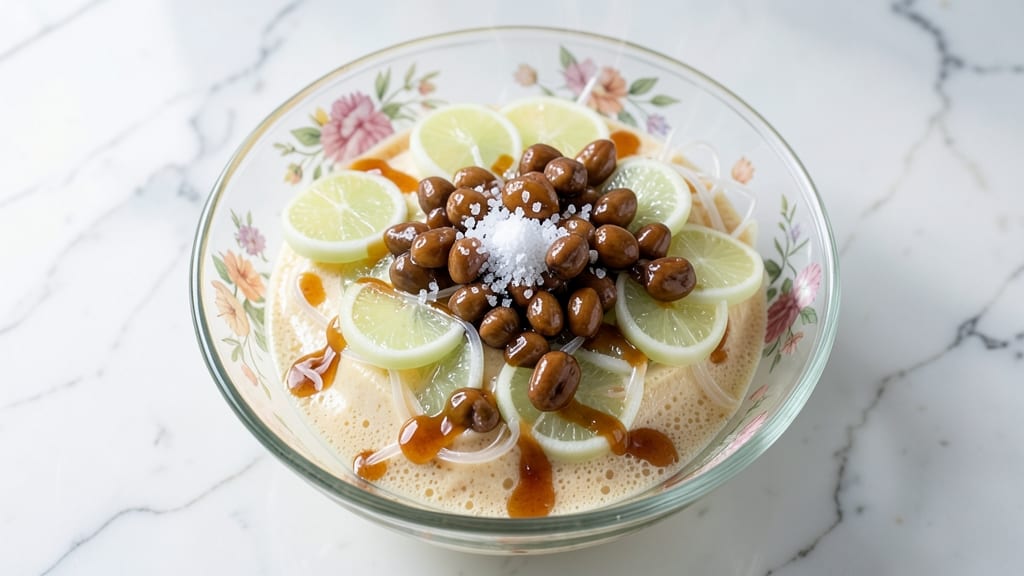
This buko salad recipe with ingredients and procedure delivers the perfect balance of tropical chewiness and sweet nectar that makes it a Filipino classic. The star ingredient—young coconut gel—creates that signature jelly-like texture, while layers of creamy leche flan and kaong (sugar palm fruit) add depth.
What sets this version apart is the traditional approach without shortcuts, ensuring every bite captures authentic flavor and satisfying texture.
The magic happens in the preparation: first, we extract the translucent coconut gel from fresh buko, then layer it with sweetened leche flan and kaong for a visually stunning presentation. No artificial gelatin here—just pure, natural ingredients that transform into a dessert-like side dish.
The chilling process is crucial, as it lets the flavors meld and the textures develop that irresistible chew.
By the time you serve it, you'll have a dish that's creamy, chewy, and perfectly sweet—not too cloying, not too tart. The contrast between the jelly-like buko, the soft flan, and the crunchy kaong creates a sensory experience that's hard to resist.
This is the kind of recipe that tastes like nostalgia, but with a modern twist if you choose to add fruit toppings or condensed milk variations.
Whether you're serving it at family gatherings or enjoying it as a refreshing dessert, this buko salad delivers restaurant-quality results with simple ingredients and clear instructions. Let's get started on creating this tropical masterpiece.
Ingredients for buko salad recipe with ingredients and procedure
Authentic Filipino ingredients transform into this tropical dessert masterpiece with chewy coconut gel and creamy layers.
| Ingredient | Amount | Notes |
|---|---|---|
| Young Coconut Gel (Buko) 🥥 | 2 cups | Freshly extracted from young coconuts |
| Leche Flan Mix 🍮 | 1 box | 14.4 oz box (prepared as per package) |
| Kaong (Sugar Palm Fruit) 🍃 | 1 cup | Dried, soaked and drained |
| Sweetened Condensed Milk 🥛 | 1 can | 14 oz can (preferably Nestlé) |
| Gulaman (Agar-Agar) 🍬 | ½ oz | Dried, cut into small pieces |
| Granulated Sugar 🍚 | ½ cup | White granulated preferred |
| Water 💧 | 1 ½ cups | Room temperature |
| Lime Juice 🍋 | 2 tbsp | Freshly squeezed |
| Vanilla Extract 🌸 | 1 tsp | Pure vanilla preferred |
| Shredded Coconut 🥥 | ¼ cup | Toasted for garnish |
| Pinipig (Toasted Coconut Flakes) 🥥 | ¼ cup | For topping (optional) |
| Salt 🧂 | ¼ tsp | Fine sea salt |
| Ube Halaya (Purple Yam Jam) 🍠 | ½ cup | Store-bought or homemade |
| Leche Flan 🍮 | 1 ½ cups | Homemade or store-bought |
The buko is the heart of this dish, so fresh young coconuts are non-negotiable for that signature jelly-like texture. If you can't find them fresh, high-quality canned buko works in a pinch, but nothing beats the real deal. For kaong, Filipino markets or specialty Asian grocers carry the dried fruit—look for vibrant purple strands. The leche flan mix should be premium (like Knorr or Swanson), but homemade flan is even better. If making from scratch, use whole eggs and evaporated milk for that authentic richness. The ube halaya adds that signature purple hue—store-bought works fine, but homemade yields deeper flavor.
No kaong? Dried longan or lychee can mimic the chewy texture, though the flavor won't be identical. Short on buko? Extra gulaman (agar-agar) stretches the jelly effect, but reduce to 0.25 oz to avoid sliminess. The condensed milk can be swapped for coconut cream (thinned with water) for a lighter version, though traditionalists will argue it's not the same. For the vanilla, pure Madagascar bourbon extract delivers the best aroma—imitation extracts lack depth. The lime juice brightens everything, so don't skip it, even if you're not a fan of citrus notes in desserts.
Prep the buko and kaong first—they need at least 4 hours to soak and soften properly. Store any prepped ingredients in airtight containers in the fridge for up to 3 days. The final salad keeps for 5 days refrigerated, though texture may soften after 3 days. For serving, chill for 2 hours before cutting—this ensures clean slices. Leftovers? Freeze in single portions for up to 2 months, though texture changes slightly after thawing.
Why You'll Love This Recipe
- Here’s the secret: buko salad tastes better the next day. The flavors meld, the gulaman gets even more satisfyingly chewy, and the condensed milk soaks into everything just right. I make a big batch on Sundays and it’s still gone by Wednesday. (Yes, even on a Tuesday night.)
- No-Chop Necessary: I swear by this one—just scoop the buko, drain the kaong, and mix. The hardest part is waiting for the gulaman to bloom in warm water, and even that’s five minutes of hands-off time. My kids help pour the condensed milk; they’re terrible at measuring, but honestly? No one notices.
- Chewy-Creamy Magic: That first bite—cool buko, jelly-like gulaman, and the kaong popping like tiny candy—is ridiculously satisfying. The leche flan mix adds this subtle vanilla-custard depth that makes it taste like dessert, even though it’s technically a salad. (Between us, I eat it straight from the bowl.)
- Party in a Bowl: This is my go-to for birthdays, potlucks, or when my in-laws visit. It’s light enough for summer but hearty enough to fill up a crowd—just double the kaong if you’re feeding more than six. I’ve even packed it in jars for office parties; zero complaints, always seconds.
Step-by-step instructions for buko salad preparation
Transform these tropical ingredients into a creamy, textured dessert masterpiece with precise technique.
Prepare the Agar-Agar Mixture for Texture
In a medium saucepan, combine the 1.5 cups water and 0.5 oz gulaman (agar-agar). Bring to a boil over medium-high heat, stirring constantly to prevent clumping. Once boiling vigorously for 3-4 minutes, reduce heat to low and simmer for an additional 5 minutes until the mixture thickens noticeably. You'll know it's ready when it forms a clear, gelatinous consistency that coats the back of a spoon.
Remove from heat and let cool slightly for 5 minutes while you prepare the leche flan mix. This agar-agar base creates the signature chewy texture that defines buko salad. If you notice any lumps during cooling, gently whisk them out—they'll dissolve completely when mixed with the other ingredients.
Combine the Creamy Base Ingredients
In a large mixing bowl, prepare the leche flan mix according to package instructions using the 1.5 cups leche flan (prepared as directed). Add the 1 can sweetened condensed milk, 0.5 cup granulated sugar, 2 tbsp lime juice, and 1 tsp vanilla extract. Whisk until completely smooth and homogeneous—this ensures even distribution of flavors throughout the salad.
Gently fold in the cooled agar-agar mixture using a rubber spatula. Work in small batches to prevent breaking the agar strands. The combination should yield a thick, custard-like consistency that maintains its shape when spooned. If you find it too stiff, add 1-2 tablespoons of water to achieve a creamy yet sturdy texture that holds its form when chilled.
Incorporate the Tropical Components
Add the 2 cups young coconut gel (buko), 1 cup kaong (sugar palm fruit), and 0.5 cup ube halaya (purple yam jam) to the mixing bowl. Gently fold these ingredients into the cream mixture using light, upward strokes to preserve their delicate textures. The buko should maintain its gel-like consistency while the kaong and ube halaya distribute evenly throughout.
Sprinkle in the 0.25 tsp salt and mix thoroughly. This subtle salty note balances the sweetness and enhances the tropical flavors. For best results, use a silicone spatula to gently combine everything without crushing the buko pieces. The final mixture should be thick enough to hold its shape when spooned but still creamy enough to coat a spoon.
Chill and Set for Optimal Texture
Transfer the mixture to a 9x9-inch baking dish or equivalent container. Cover tightly with plastic wrap and refrigerate for at least 4 hours, or preferably overnight. This extended chilling period allows the agar-agar to fully set while developing the perfect balance of firmness and creaminess. The salad should achieve a jelly-like consistency that holds its shape when inverted.
During chilling, the flavors will meld together, creating a harmonious blend of sweet coconut, creamy leche flan, and tropical fruit notes. For best texture, avoid disturbing the salad during this time—any movement can disrupt the careful balance of textures you've created.
Assemble and Garnish for Presentation
Before serving, carefully invert the chilled buko salad onto a serving platter or individual bowls. Use a sharp knife to trim any uneven edges and create clean, straight sides. This presentation technique showcases the salad's beautiful layers and textures.
Garnish with the 0.25 cup shredded coconut and 0.25 cup pinipig (toasted coconut flakes) arranged artistically on top. The toasted coconut adds a delightful crunch contrast to the creamy, chewy base. Serve immediately to enjoy the perfect balance of temperatures—cool, creamy salad with warm, toasted coconut garnishes.
Pro Tips For Making Buko Salad Recipe With Ingredients And Procedure
- Rinse Buko Twice: The first rinse removes grit, but the second—cold water only—washes away that slimy residue that makes your salad taste like coconut water leftovers. I learned this the hard way when my first batch had a weird aftertaste.
- Soak Kaong 1 Hour: Skip the 30-minute soak and your kaong will stay chewy and undercooked. An hour in warm water guarantees they soften evenly—no one wants a mouthful of rubbery palm fruit. (Yes, even if you're impatient like me.)
- Mix Gulaman Early: Stir the agar-agar into the hot leche flan mix immediately after heating, then let it cool completely before adding the rest. Otherwise, it’ll clump into a sad, lumpy mess that ruins the creamy texture. Trust the process.
- Chill 4+ Hours: Three hours might feel like forever, but rushing it means your buko salad will be watery and sad. Four hours or overnight lets the flavors meld and the texture set—no one wants a dessert that’s still "setting" when served. (Your future self will thank you.)
Make-ahead tips for buko salad recipe with ingredients and procedure
Prep Ahead Strategy
Start by preparing the agar-agar mixture and kaong the night before. Soak the kaong for at least 4 hours (or overnight) in water to soften completely. Store it in an airtight container in the fridge.
The agar-agar mixture can also be made a day ahead—just cool it completely, cover it tightly, and refrigerate. This saves you time on the actual cooking day and ensures your ingredients are ready to go. 🌟
Layering for Efficiency
Assemble the cream base (leche flan, condensed milk, and agar-agar) in stages if you're making this for a large gathering. Divide the mixture into two 9x9-inch baking dishes and chill each separately. This makes it easier to serve individual portions without disturbing the entire batch.
Once fully chilled, you can layer the buko and ube halaya on top just before serving to maintain their fresh texture. 🥥
Chilling Time Hacks
If you're short on time, place your chilled baking dish in the freezer for 30 minutes before the final 4-hour fridge chill. This jump-starts the setting process, cutting down your total chilling time by nearly half.
Just be sure to monitor it closely to avoid over-freezing, which can make the texture too firm. For best results, still aim for at least 3 hours of fridge chilling afterward. ❄️
Storage Solutions
Store any prepped ingredients (like the agar-agar mixture or kaong) in glass airtight containers for up to 3 days in the fridge. The fully assembled buko salad keeps well for 5 days in the refrigerator, though the texture may soften slightly after 3 days.
For longer storage, freeze individual portions in single-serving containers for up to 2 months. Just thaw in the fridge overnight before serving. 💡
Make-Ahead Garnishes
Toast your shredded coconut and pinipig in advance and store them in separate small jars with tight-sealing lids. They’ll stay fresh for up to 1 week at room temperature. This way, you can quickly garnish your buko salad right before serving without any last-minute prep.
For extra flair, mix in a pinch of ground cinnamon or toasted sesame seeds for a modern twist. 🌸
Serving Prep Timeline
Plan your timeline like this: Day 1 (night before) – Soak kaong and prep agar-agar. Day 2 (morning) – Mix the cream base and chill. Day 2 (evening) – Layer buko and ube halaya, then chill again.
This staggered approach ensures everything is perfectly set and ready to serve without rushing. For parties, assemble the final layers 2-3 hours before serving to let flavors meld. 📅
Nutrition facts
Frequently asked questions
Can I make buko salad without agar-agar?
You can substitute agar-agar with 1.5 teaspoons gelatin dissolved in 1/4 cup hot water instead. For a vegan option, use 1 tablespoon tapioca starch mixed with 1/4 cup water and cooked until thickened. However, agar-agar provides the most authentic chewy texture that traditional buko salad is known for.
How do I get the best texture for the buko?
For perfect buko texture, use fresh young coconuts and extract only the clear gel from the center, avoiding the fibrous parts. If using canned buko, drain it thoroughly and pat dry with paper towels to remove excess liquid. The gel should be translucent and slightly firm when chilled. Never boil the buko—this destroys its signature jelly-like quality.
What's the best way to find kaong if my local store doesn't carry it?
Look for kaong in the Filipino or Asian grocery section—it's often sold dried in small bags. If unavailable, substitute with dried longan or lychee (soaked in warm water for 30 minutes) or even diced mango for a fruitier variation. For a chewy texture similar to kaong, try shredded coconut that's been soaked in syrup for 1 hour.
Can I make buko salad ahead of time?
Yes! Assemble the salad 1 day in advance and refrigerate it covered. The flavors actually improve with time as everything melds together. For best texture, serve within 3 days—after that, the buko may become slightly softer. If freezing, portion into individual servings and freeze for up to 2 months, then thaw overnight in the fridge.
Why did my buko salad turn out too sweet?
This usually happens when using too much condensed milk or sugar. The recipe balances sweetness with the natural tartness of lime juice and subtle salt. For adjustment, add 1-2 tablespoons of water to dilute, or incorporate 1/4 cup sour cream or yogurt to cut sweetness. Taste as you go—Filipino desserts should be sweet but not overwhelming.