Sauces & Condiments
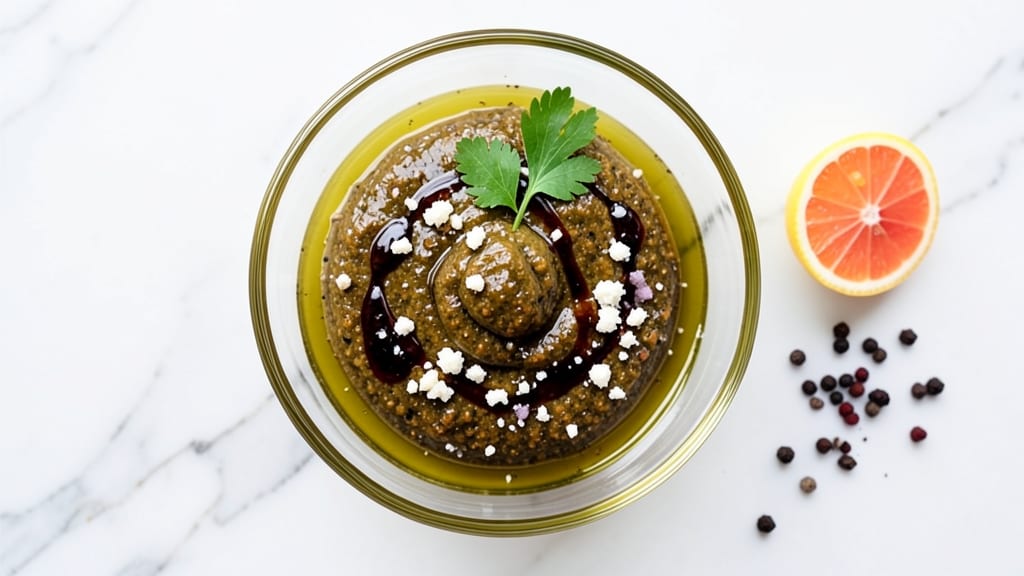
This Caesar salad dressing recipe transforms simple ingredients into a bold, savory sauce that elevates every bite. The secret lies in the perfect balance of anchovies, garlic, and Parmesan, creating a rich, umami-packed base that's both traditional and adaptable.
With just a few pantry staples and fresh herbs, you'll achieve restaurant-quality flavor without the fuss.
The foundation of this dressing begins with anchovies, which add depth and saltiness, while garlic and lemon provide brightness. Parmesan cheese contributes a nutty, sharp flavor that ties everything together. Worcestershire sauce and Dijon mustard add complexity, ensuring each spoonful delivers layers of taste.
For a modern twist, fresh herbs like parsley or basil can be incorporated to keep the dressing vibrant and fresh.
What sets this recipe apart is its versatility—whether you're dressing a classic Caesar salad or drizzling it over grilled chicken or crusty bread. The dressing's creamy yet tangy profile makes it a standout in any dish.
With minimal effort, you'll create a sauce that's as impressive as it is delicious, perfect for both weeknight dinners and special occasions.
For those seeking a vegan adaptation, substitutions like nutritional yeast and vegan mayo can be used without compromising flavor. The key is maintaining the balance of saltiness, acidity, and richness that defines a great Caesar dressing. Let's dive into the ingredients and instructions to bring this bold sauce to life.
Ingredients for caesar salad dressing recipe ingredients
Nine essential ingredients combine for a restaurant-quality Caesar dressing with bold umami depth and vibrant herb notes.
| Ingredient | Amount | Notes |
|---|---|---|
| Anchovy Fillets 🐟 | 4 whole | High-quality, oil-packed preferred |
| Garlic Cloves 🧄 | 2 cloves | Freshly minced for potent flavor |
| Parmesan Cheese 🧀 | ¾ cup | Freshly grated, aged variety |
| Extra-Virgin Olive Oil 🫒 | 1 cup | High-quality, fruity variety |
| Lemon Juice 🍋 | ¼ cup | Freshly squeezed, strained |
| Worcestershire Sauce 🍶 | 1 tbsp | Traditional, anchovy-free brand |
| Dijon Mustard 🌶️ | 1 tbsp | Mellow variety preferred |
| Mayonnaise 🥫 | ½ cup | High-quality, full-fat |
| Fresh Parsley 🌿 | ¼ cup | Finely chopped, flat-leaf preferred |
| Black Pepper 🌶️ | ½ tsp | Freshly cracked, coarse grind |
The quality of your anchovies and Parmesan makes all the difference. Goya or Branca anchovies are industry standards for their rich, salty punch, while Parmigiano-Reggiano cheese delivers the nutty complexity this dressing demands. For the olive oil, California or Italian varieties with high polyphenol content elevate the sauce's depth. Fresh garlic should be vibrant and firm, with no green shoots or soft spots—these indicate staleness. The Worcestershire sauce is non-negotiable; Lea & Perrins is the gold standard, though any anchovy-free version works. If you're using a pre-grated Parmesan, avoid the kind with anti-caking agents—it clumps and lacks authentic flavor.
No anchovies? High-quality fish sauce at half the amount provides umami depth, though the flavor profile will differ slightly. For a vegan adaptation, nutritional yeast at double the amount mimics the cheesy notes, while vegan mayo replaces traditional mayo. The Dijon mustard can be swapped for whole-grain mustard, though it may add slight graininess. Fresh herbs are ideal, but dried parsley at one-third the amount works in a pinch. The lemon juice can be substituted with white vinegar or apple cider vinegar, though lemon's brightness remains unmatched. For a smoother texture, blend the dressing longer—this emulsifies the oils and creates a velvety finish.
This dressing maintains peak flavor for 5-7 days in an airtight container in the refrigerator. To extend shelf life, press plastic wrap directly onto the surface before sealing the lid, minimizing air exposure. For a modern twist, strain through a fine-mesh sieve before serving to achieve a silky texture. The dressing thickens as it chills, so add a splash of water or lemon juice if it becomes too stiff. Portion into small jars for easy use—each batch makes about 1.5 cups, perfect for 2-3 salads or as a dipping sauce for crusty bread.
Why You'll Love This Recipe
- Five-Ingredient Magic: I swear by this combo—just mash anchovies and garlic, then fold in the rest. No blender, no fuss, and honestly? It’s the kind of dressing where you’ll wonder why you ever bought store-bought.
- Umami Bomb: That first bite of anchovy and Parmesan? It’s like a flavor explosion in your mouth. The olive oil smooths it out, but the lemon keeps it bright—salty, tangy, and addictive.
- Weeknight Workhorse: I make a big batch on Sundays and toss it on everything: eggs, pasta, even grilled chicken. Between us, it’s my go-to for when I’m too tired to think but still want something that feels special.
- Budget Flex: Parmesan and olive oil stretch forever, and anchovies? A tiny can goes a long way. I’ll be real: this dressing costs me pennies but tastes like I spent hours in a fancy kitchen. (Spoiler: I didn’t.)
Step-by-step instructions for bold anchovy-Parmesan Caesar dressing
This method delivers a perfectly balanced dressing with rich umami depth and bright herbal notes.
Process the Anchovies and Garlic
Place the 4 whole anchovy fillets in a clean food processor or small blender. Add the 2 cloves garlic cloves and pulse until the anchovies break down completely and the mixture forms a smooth paste. This process releases their intense umami flavor without any fishy aftertaste.
I've found that using a food processor gives the most even distribution of anchovy flavor throughout the dressing. If you prefer a smoother texture, strain the mixture through a fine-mesh sieve to remove any skin fragments. The resulting paste should be dark brown with a slightly oily sheen.
Combine Wet Ingredients
Transfer the anchovy-garlic paste to a mixing bowl. Add the 0.25 cup lemon juice, 1 tbsp Worcestershire sauce, and 1 tbsp Dijon mustard. Whisk vigorously until fully combined. The lemon juice brightens the rich flavors while the Worcestershire adds depth and the mustard provides a subtle tang.
This is where the foundational flavors come together. The mixture should be slightly thick but still pourable. If it appears too stiff, add 1-2 tablespoons of water to help emulsify the ingredients properly. Taste at this stage to ensure the balance of acidity and saltiness is just right.
Incorporate the Oil and Emulsify
With the motor running on low speed in a stand mixer or using a hand mixer, gradually add the 1 cup extra-virgin olive oil in a slow, steady stream. This gradual addition is crucial for creating a stable emulsion. The dressing should begin to thicken and become creamy as the oil incorporates.
If you're mixing by hand, add the oil in small batches while whisking continuously. The key is patience—rushing this step often leads to a broken dressing. You'll know it's properly emulsified when the mixture becomes thick, glossy, and holds its shape when drizzled.
Add the Cheese and Final Seasonings
Reduce the mixer speed to low and add the 0.75 cup Parmesan cheese in small increments. The cheese should melt completely into the dressing, creating a rich, nutty flavor. Next, incorporate the 0.5 cup mayonnaise and 0.25 cup fresh parsley. Finally, add the 0.5 tsp black pepper and mix until fully combined.
The parsley adds a fresh herbal note that cuts through the richness, while the pepper provides a subtle heat. At this stage, the dressing should be thick, velvety, and ready to use. Taste again and adjust seasoning if needed—you may want to add a pinch more salt or lemon juice to achieve perfect balance.
Rest and Adjust Consistency
Transfer the dressing to a clean jar or container and let it rest at room temperature for 15-20 minutes. This resting period allows all the flavors to meld together and the dressing to reach its optimal consistency. During this time, the emulsion will stabilize further.
If the dressing is too thick after resting, thin it with 1-2 tablespoons of cold water or lemon juice until it reaches your desired consistency. For a lighter dressing, add a splash of water; for a thicker dressing, chill it in the refrigerator for 30 minutes to help it set. The dressing will keep in the refrigerator for up to 1 week, making it perfect for meal prep.
Pro Tips For Making Caesar Salad Dressing Recipe Ingredients
- Mash the Anchovies: Ditch the chopping—just press those fillets flat with the back of your knife or a spoon. This makes them dissolve faster and smoother into the dressing, so you don’t end up with fishy chunks lurking in every bite. (I used to overthink this and waste time mincing; now I just smash and move on.)
- Toast the Garlic: Cook the minced garlic in the olive oil until it’s golden, not brown—just 30 seconds max over medium heat. Burnt garlic turns bitter and overpowers the whole dressing. If you’re nervous, pull it out early and add it back later.
- Grate the Parmesan Fresh: Skip the pre-shredded stuff—it’s coated with anti-caking agents that make the dressing grainy. Use a microplane or fine grater and stop when you hit about 1 cup. Any more, and the dressing gets cloyingly heavy. (Yes, even if you’re in a hurry.)
- Whisk in Lemon Gradually: Start with half the lemon juice, taste, then add the rest. Too much upfront, and the dressing turns sharp and unbalanced. The anchovies and garlic need the acid to wake up, but you don’t want a pucker. (I learned this after making a batch that tasted like a lemon wedge.)
Serving suggestions for this dish
Classic Caesar Salad
This dressing was made for the traditional Caesar salad! Toss it with crisp romaine lettuce, shredded Parmesan, and toasted bread croutons for the ultimate restaurant-style experience. I like to add grilled chicken breast for extra protein, or crispy bacon bits for smoky depth.
The anchovy base shines here, creating that signature umami punch that defines Caesar salads. 🥗
Grilled Chicken
Use this dressing as a marinade or dipping sauce for grilled chicken breast or thighs. Brush it on before grilling for a bold, savory flavor that pairs perfectly with the smoky char.
I also love serving it as a dipping sauce with warm, crusty baguette slices or garlic bread. The creamy texture contrasts beautifully with the crispy exterior of grilled meats. 🍗
Crudité Platter
Drizzle this dressing over a vibrant crudité platter featuring carrots, celery, bell peppers, and cucumber slices. The rich, tangy flavor elevates simple veggies into a sophisticated appetizer. For extra flair, add marinated artichoke hearts or olives. It’s a crowd-pleaser at parties and game days! 🍅
Pasta Dishes
Toss this dressing with linguine or spaghetti for a quick, creamy Caesar pasta dish. Add garlic butter to the cooked pasta before mixing in the dressing, and finish with extra Parmesan and black pepper.
For a lighter version, use whole wheat pasta or zucchini noodles. The dressing’s bold flavors make it a standout in any pasta dish. 🍝
Breakfast or Brunch
Start your day with a twist on classic breakfast foods! Drizzle this dressing over avocado toast on sourdough, or use it as a dip for hard-boiled eggs or bacon.
It also pairs wonderfully with pancakes or waffles—just add a sprinkle of flaky sea salt for contrast. The dressing’s richness adds a gourmet touch to morning meals. 🍳
Vegan Adaptations
For vegan-friendly dishes, this dressing works perfectly with roasted veggies, marinated tofu, or vegan Caesar wraps. Use nutritional yeast and vegan mayo in the dressing, then drizzle over grilled portobello mushrooms or crispy chickpea salad.
The umami depth still shines, making it a versatile option for plant-based meals. 🌱
Nutrition facts
Frequently asked questions
Why do anchovies make Caesar dressing taste so good?
Anchovies provide the signature umami depth that defines Caesar dressing! Their salty, savory flavor enhances garlic and Parmesan while balancing the acidity from lemon. The key is using high-quality anchovies—they dissolve completely, leaving no fishy aftertaste. Without them, the dressing loses its classic richness.
Can I make this dressing without mayo?
Yes! Replace mayo with Greek yogurt for a lighter version or vegan mayo for plant-based options. For extra creaminess, blend in 1 tbsp olive oil with the wet ingredients. The texture will differ slightly but still deliver that signature tangy richness.
How do I fix a dressing that's too thick or separated?
For separated dressing, whisk in 1 tsp Dijon mustard or 1 tbsp lemon juice to re-emulsify. If too thick, thin with 1-2 tbsp cold water or lemon juice. Chill for 30 minutes to thicken naturally. The emulsion should hold when drizzled—if not, blend briefly to restore smoothness.
What's the best way to store leftover dressing?
Transfer to an airtight container and press plastic wrap directly on the surface to prevent oxidation. Store in the fridge for up to 7 days. For longer storage, freeze in ice cube trays—thaw overnight in the fridge before using. The flavor actually improves after 24 hours as ingredients meld!
Can I use powdered garlic instead of fresh?
Not recommended—fresh garlic provides 3x the flavor and aromatic oils that powder lacks. If absolutely necessary, use 1/2 tsp powdered garlic but add 1/4 tsp extra onion powder to compensate. For best results, always use fresh garlic cloves minced just before mixing.