
Side Dishes
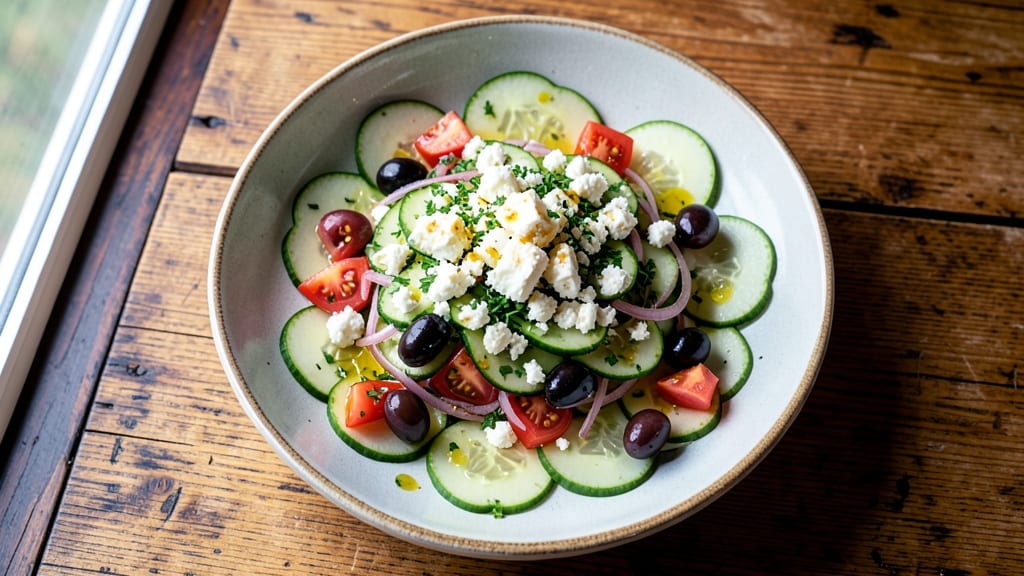
California Pizza Kitchen's Moroccan salad brings bold Moroccan flavors to your table with its vibrant mix of crisp vegetables, tangy harissa, and bright citrus. The secret lies in the perfect balance of textures—crunchy cucumbers, juicy tomatoes, and briny olives—all tossed in a zesty harissa-lemon dressing.
This recipe delivers restaurant-quality results without the fuss, making it ideal for weeknight dinners or elegant gatherings.
The foundation of this salad is a trio of fresh vegetables—cucumbers, tomatoes, and red onions—paired with Kalamata olives and crumbled feta for a salty contrast. A homemade harissa-lemon dressing infuses everything with warmth and brightness, while fresh herbs like parsley and mint add freshness.
The key to authenticity is using quality harissa paste and fresh citrus, which elevate the dish beyond a simple side.
What sets this salad apart is the harmonious blend of flavors and textures that make every bite exciting. The crisp vegetables hold their shape, while the dressing clings to each piece, delivering layers of spicy, tangy, and herby notes.
The result is a dish that’s as visually stunning as it is delicious—perfect for pairing with grilled meats, fish, or even as a standalone vegetarian meal.
Ready in just 15 minutes, this salad is a game-changer for busy weeknights. The ingredients are simple, but the flavors are anything but ordinary. Whether you're hosting a dinner party or simply craving a bright, flavorful side, this Moroccan salad delivers every time. Let’s get started!
Ingredients for california pizza kitchen moroccan salad
Fresh produce meets bold Moroccan flavors in this vibrant salad—crisp, bright, and packed with restaurant-quality zing.
| Ingredient | Amount | Notes |
|---|---|---|
| Persian Cucumbers 🥒 | 2 whole | Sliced into half-moons, seeds removed |
| Roma Tomatoes 🍅 | 4 whole | Diced, seeds removed for cleaner texture |
| Red Onion 🧅 | 1 whole | Thinly sliced, soaked 5 mins in cold water |
| Kalamata Olives 🫒 | ½ cup | Pitted, halved for even distribution |
| Crumbled Feta Cheese 🧀 | ½ cup | High-quality, brined feta preferred |
| Fresh Parsley 🌿 | ¼ cup | Chopped, stems removed for vibrant color |
| Fresh Mint Leaves 🌿 | ¼ cup | Finely chopped, for bright freshness |
| Harissa Paste 🌶️ | 2 tbsp | Adjust for spice preference (start with mild) |
| Extra-Virgin Olive Oil 🫒 | ½ cup | High-quality, fruity variety |
| Fresh Lemon Juice 🍋 | 3 tbsp | From 1 medium lemon, freshly squeezed |
| Honey 🍯 | 1 tbsp | Wildflower preferred for floral notes |
| Garlic Cloves 🧄 | 2 cloves | Minced, for subtle depth |
| Diamond Crystal Kosher Salt 🧂 | ½ tsp | For balancing flavors |
| Ground Black Pepper 🌶️ | ¼ tsp | Freshly cracked for warmth |
The vegetables need to be at their peak—cucumbers with crisp skin and tomatoes that yield to gentle pressure. Hit the farmers market for the best finds, or grab organic produce from Whole Foods or Trader Joe's if you're short on time. For the olives, Kalamata from a jar with no added salt keeps the flavors pure. The feta? Greek feta from a block crumbles best—pre-grated gets clumpy. Fresh herbs are non-negotiable here; the parsley adds brightness while the mint brings that signature Moroccan touch.
No harissa paste? Mix 1 tbsp smoked paprika with 1 tsp cayenne for a quick substitute, though it won’t be identical. Swap the feta for vegan feta if needed—just check for tangy acidity. Running low on mint? Fresh basil or cilantro works in a pinch, though the flavor shifts slightly. The olive oil should be extra-virgin with noticeable fruitiness—none of that cheap grocery store stuff. And if you're sensitive to spice, start with 1 tbsp harissa and adjust to taste.
Prep the dressing last—it clings best when freshly tossed. Store any leftover dressing in a sealed jar in the fridge for up to 5 days, but the veggies? They’re best eaten fresh. If making ahead, keep the dressing and veggies separate until serving. The salad holds up for 2 hours in the fridge if you must, but the texture suffers after that. For extra crunch, add toasted pine nuts or pomegranate seeds just before serving—trust me, it’s worth the effort.
Why You'll Love This Recipe
- No Knife Struggle: I’ll be real—Persian cucumbers and Roma tomatoes slice in seconds, no fancy techniques. Those thick-skinned olives? Just halve them. Honestly, this is the salad that makes me actually want to chop veggies.
- Moroccan Magic: The briny Kalamata olives and tangy feta play hide-and-seek with the sweet tomatoes—one bite and you’re hooked. That lemon-garlic dressing? It’s the kind of flavor that lingers like a good memory.
- Potluck Proven: Between us, this is my go-to for picnics, BBQs, or when my in-laws ask, “What’s for dinner?” It holds up in heat, travels well, and even my picky nephew sneaks bites. (Yes, even on a Tuesday night.)
- Budget-Friendly Leftovers: A single bag of olives and a wedge of feta stretch across three meals—no sad wilted greens here. Store it in the fridge for days, and it’s still crisp and bright. My wallet and my lunchbox thank me every time.
Step-by-step instructions for California Pizza Kitchen Moroccan salad
This vibrant salad balances spicy harissa, bright citrus, and creamy feta for a dish that's as bold as it is refreshing.
Prepare the Vegetable Base
Start by slicing the 2 whole Persian cucumbers into half-moons, removing the seeds for a cleaner texture. Dice the 4 whole Roma tomatoes, carefully scooping out the seeds to prevent a watery salad. Thinly slice the 1 whole red onion and place it in a bowl of cold water for 5 minutes to mellow its sharpness.
Drain the onion and pat it dry with paper towels. In a large mixing bowl, combine the cucumbers, tomatoes, and onion. This prep work ensures all components are ready to absorb the dressing evenly and contribute to that signature California Pizza Kitchen texture.
Create the Harissa Dressing
In a small bowl, whisk together the 2 tbsp harissa paste, 0.5 cup extra-virgin olive oil, 3 tbsp fresh lemon juice, 1 tbsp honey, 2 cloves minced garlic, 0.5 tsp diamond crystal kosher salt, and 0.25 tsp ground black pepper. The harissa brings warmth, while the honey and citrus create a perfect balance of sweet and tangy.
Taste the dressing before proceeding—adjust the harissa to your spice preference, adding more if you want heat or a touch of honey if it needs sweetness. This is where the magic happens: the dressing should be vibrant and just thick enough to coat the vegetables without pooling.
Assemble the Salad
Add the 0.5 cup pitted, halved Kalamata olives and 0.5 cup crumbled feta cheese to the vegetable mixture. Gently fold in the dressing, letting it coat every ingredient evenly. The olives add briny depth, while the feta provides that signature creamy contrast that makes this salad so irresistible.
Sprinkle the 0.25 cup chopped fresh parsley and 0.25 cup finely chopped fresh mint leaves over the top for a pop of color and freshness. The herbs not only look stunning but also brighten the flavors, making each bite feel like a burst of Mediterranean sunshine.
Rest and Serve
Let the salad sit for 10-15 minutes before serving. This resting period allows the flavors to meld together, ensuring every bite is perfectly balanced. The vegetables will absorb the dressing just enough to soften slightly without losing their crisp texture.
Serve immediately while the flavors are at their peak. This salad is best enjoyed fresh—each component should be vibrant, the dressing clinging to the vegetables, and the contrast of textures (crisp cucumbers, juicy tomatoes, creamy feta) should be undeniable. Pair it with warm pita bread or grilled meats for a complete meal.
Pro Tips For Making California Pizza Kitchen Moroccan Salad
- Slice Onions Thinly: The California Pizza Kitchen version calls for paper-thin red onion slices—no thick rounds here. Grab a sharp knife, hold the onion steady, and cut it in half from root to stem first. Then fan the layers and slice horizontally in one smooth motion. Thick slices? They’ll sit like bricks in your salad and overpower the bright flavors.
- Salt Feta Before Mixing: Feta straight from the block is salty enough, but if yours isn’t, sprinkle a pinch of flaky salt (like Maldon) over the crumbled cheese before tossing it with the salad. This lets the salt bloom into the cheese, so it doesn’t clump or taste flat when everything comes together. Trust me, your salad will taste more cohesive.
- Dice Olives Small: Kalamata olives in big chunks look pretty but dominate the bite. Pulse them in a food processor for 2–3 seconds (just until they’re pea-sized) or chop them by hand with a knife. Even distribution means every forkful has that briny punch without one olive hogging the show.
- Toss Tomatoes Last: Roma tomatoes release juice fast, turning your salad into a soggy mess if you mix them in early. Halve and slice them, then add them after everything else is tossed. This keeps their texture crisp and prevents the cucumbers from turning into a watery bed. Save the drama for the finale.
Storing and reheating this dish
Fridge Storage Tips
Store your Moroccan salad in an airtight container with a paper towel pressed against the vegetables to absorb excess moisture. Keep it refrigerated for up to 2 hours—any longer and the cucumbers and tomatoes will start to soften.
I like using glass containers because they keep the salad fresh longer and don’t absorb odors. 🥒
If you’re prepping ahead, separate the dressing and store it in a small jar in the fridge for up to 5 days. The vegetables should be kept in a separate container until you’re ready to serve.
This way, the crispness stays intact, and the flavors remain vibrant. Pro tip: Add the dressing just before serving to prevent sogginess.
Reheating (If Necessary)
This salad isn’t meant to be reheated—it’s best enjoyed fresh. However, if you must warm it slightly (like for a cold-to-hot transition), place the dressing and veggies in a microwave-safe bowl and heat for 10-15 seconds on low power.
Stir well and serve immediately. The texture won’t be the same, but it’s better than skipping the dish entirely. 🔥
Freezing for Later
Freezing isn’t recommended for this salad because the vegetables will turn mushy when thawed. However, you can freeze the dressing separately for up to 3 months.
Store it in an ice cube tray or small airtight container. When ready to use, thaw in the fridge overnight and toss with fresh, unfrozen vegetables.
Reviving Wilted Greens
If your salad starts to look sad after sitting in the fridge, don’t toss it! Place the vegetables in a colander and run cold water over them for 30 seconds to revive their crispness.
Pat dry with a clean towel and toss with fresh dressing. This trick works wonders for wilted cucumbers and tomatoes. ✨
Portioning for Meal Prep
Divide the salad into single-serving containers if you’re meal prepping. Store the dressing separately and add it just before eating. For extra crunch, keep toasted pine nuts or pomegranate seeds in a small baggie and sprinkle them on top right before serving.
This keeps everything fresh and exciting for multiple meals.
Nutrition facts
Frequently asked questions
Can I make this Moroccan salad vegan?
Swap the feta for vegan feta (like Violife or Follow Your Heart brands) and use olive oil-based vegan mayo if you want extra creaminess. For a richer texture, add avocado slices or tofu cubes marinated in lemon and harissa. The flavors stay vibrant while keeping it plant-based.
How do I adjust the spice level?
Start with 1 tbsp harissa paste for mild heat, then increase to 2 tbsp for medium, or 3 tbsp for bold. For extra depth without spice, add ½ tsp smoked paprika or 1 tsp cumin. Always taste before tossing with veggies—harissa varies in heat intensity.
What’s the best way to store leftovers?
Keep the dressing and veggies separate in airtight containers for up to 2 hours (veggies only). The dressing lasts 5 days in the fridge. For meal prep, store components separately and assemble fresh—this preserves the crisp texture and prevents sogginess.
Can I use store-bought dressing instead?
While homemade dressing delivers the best flavor, you can use a lemon-herb vinaigrette as a shortcut. Boost it with 1 tsp harissa paste and ½ tsp honey for authenticity. For extra zing, add 1 tbsp chopped mint and a pinch of cumin. The texture won’t be identical, but it’ll still taste amazing.
What’s the secret to restaurant-quality texture?
Use firm, seedless cucumbers and ripe but firm tomatoes—they hold up best. Soak sliced red onion in cold water for 5 minutes to mellow sharpness, and pat everything completely dry before tossing. The key is gentle folding to avoid bruising the veggies.