
Side Dishes
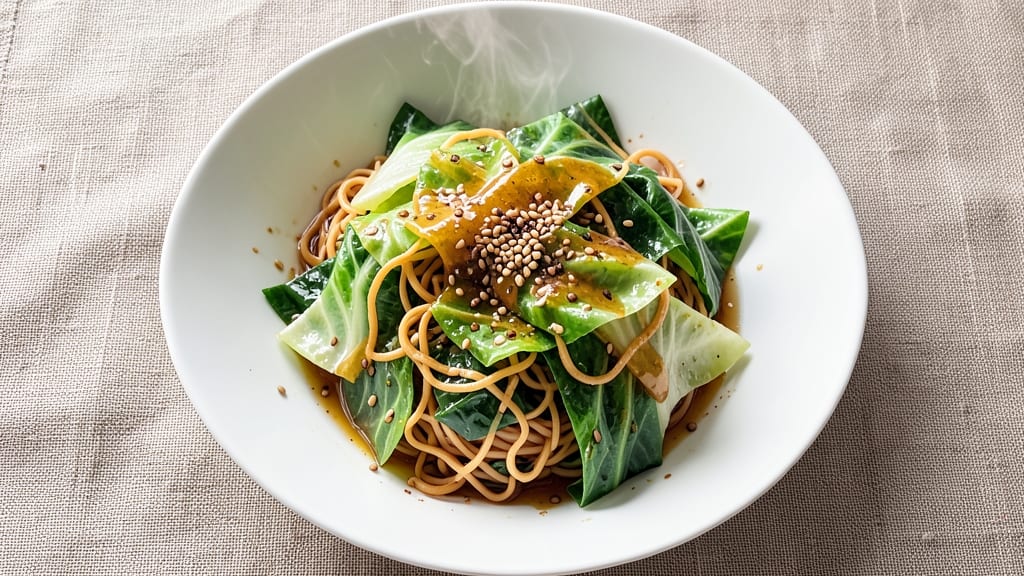
This Chinese cabbage salad recipe with ramen noodles transforms simple ingredients into a crispy, tangy dish that’s perfect for lunch or dinner. The secret lies in perfectly cooked ramen—crisped to a satisfying crunch—paired with fresh cabbage, sesame dressing, and a bright, savory kick.
It’s restaurant-quality without the fuss, and the best part? You can make it in under 30 minutes while keeping prep simple.
The magic happens when you toss cooked ramen noodles in a light coat of oil and bake them until golden and crispy—that’s where the texture magic occurs. Meanwhile, thinly sliced Chinese cabbage gets a quick massage with sesame oil, rice vinegar, and a touch of chili for brightness.
Together, they create a balance of crunch, chew, and umami that’s impossible to resist.
What you end up with is a dish that’s fresh yet satisfying, with every bite delivering crispy noodles, tender cabbage, and a zesty dressing that ties everything together. It’s the kind of meal that feels special but comes together effortlessly—ideal for meal prep or a quick weeknight dinner.
Serve it chilled as a refreshing salad or warm as a noodle bowl with optional toppings like sesame seeds, sliced scallions, or a soft-boiled egg for extra richness. The possibilities are endless, but the technique stays foolproof.
Ingredients for chinese cabbage salad recipe ramen noodles
Crispy ramen meets vibrant cabbage—simple ingredients for a restaurant-worthy salad.
| Ingredient | Amount | Notes |
|---|---|---|
| Chinese Cabbage (Napa Cabbage) 🥬 | 1 lb | Thinly sliced, core removed |
| Dried Ramen Noodles 🍜 | 8 oz | Any flavor, separated from seasoning |
| Sesame Oil 🫒 | 2 tbsp | Toasted for aroma, not cooking |
| Rice Vinegar 🍶 | 3 tbsp | Seasoned preferred for depth |
| Soy Sauce 🍶 | 2 tbsp | Low-sodium preferred for balance |
| Sesame Seeds 🌾 | 2 tbsp | Toasted for nutty crunch |
| Toasted Sesame Oil 🫒 | 1 tbsp | For finishing dressing |
| Garlic Cloves 🧄 | 2 cloves | Minced for aromatic base |
| Ginger Root 🌿 | 1 tsp | Freshly grated, finely |
| Red Chili Flakes 🌶️ | ½ tsp | Adjust for heat preference |
| Honey 🍯 | 1 tbsp | For subtle sweetness |
| Vegetable Oil 🫒 | 2 tbsp | For crisping ramen |
| Salt 🧂 | ½ tsp | Kosher or sea salt |
| Black Pepper 🌶️ | ¼ tsp | Freshly ground for finish |
| Scallions 🧅 | 2 whole | Sliced thin for garnish |
The Chinese cabbage is non-negotiable for that signature texture and mild sweetness. Look for bright green leaves with firm stems at Whole Foods or your local Asian market—they’ll last longer and taste fresher. If you can’t find Napa cabbage, substitute regular green cabbage but slice it slightly thinner for even cooking. For the ramen, any brand works, but avoid the seasoning packets—they’re salty and overpower the delicate balance of this dish. Separate the noodles from their seasoning immediately after opening to prevent sticking.
No sesame oil? Toasted peanut oil works in a pinch, though the flavor will differ slightly. For the dressing, substitute apple cider vinegar for rice vinegar if needed, but reduce the honey slightly to maintain balance. The garlic and ginger are essential for depth—don’t skip them. If you’re sensitive to heat, omit the chili flakes entirely or use a pinch of smoked paprika for warmth without the burn. For extra crunch, toast the sesame seeds in a dry pan over medium heat for 1-2 minutes until golden—trust me on this, it’s worth the extra minute.
Store the dressing separately in an airtight container for up to 5 days in the fridge, and the crispy ramen in a sealed container for 2 days—it loses its crunch over time. The cabbage will stay fresh for 4-5 days if wrapped in a damp towel. For meal prep, assemble everything the night before and toss just before serving to preserve that perfect crunch. The dish reheats beautifully if you prefer it warm, though it’s best enjoyed at room temperature for optimal texture contrast.
Why You'll Love This Recipe
- Pantry to Plate Fast: I swear by this when I’m starving but don’t want to cook. Just boil the ramen, shred the cabbage, and toss it all with a splash of rice vinegar and sesame oil—no fancy skills needed.
- Umami Crunch Magic: That crisp cabbage with the chewy ramen noodles? It’s the best of both worlds. The soy sauce and sesame oil give it this addictive savory depth that makes it way more exciting than takeout.
- Lunchbox Hero: Between us, this is my go-to for meal prep. Pack it cold or at room temp—it stays fresh for days, and the flavors only get better. Honestly, I’ve sent this to work three times this week already.
- Budget Noodle Upgrade: Ramen noodles and cabbage are dirt cheap, but this tastes like a restaurant dish. I’ll be real: I’ve made it for date night and no one ever guessed it wasn’t a $20 menu item.
Step-by-step instructions for crispy ramen noodle salad
Here's how to transform simple ramen noodles into crispy, flavorful bites paired with a tangy sesame dressing.
Prepare the Chinese Cabbage and Aromatic Base
Begin by thinly slicing the 1 lb Chinese cabbage (Napa cabbage), removing the core as you go. I like to cut it into ¼-inch thick ribbons—this ensures even cooking and a satisfying crunch. Transfer the cabbage to a large mixing bowl and set aside.
In a small bowl, combine the 2 cloves minced garlic, 1 tsp finely grated ginger root, 0.5 tsp red chili flakes, and 0.5 tsp salt. This aromatic blend will infuse the cabbage with deep, complex flavors. Let it sit for 5 minutes while you prepare the noodles—this allows the spices to meld together and intensify.
Cook and Crisp the Ramen Noodles
Bring a pot of water to a rolling boil and add the 8 oz dried ramen noodles. Cook for 2 minutes less than the package instructions—this ensures they finish cooking in the hot oil and achieve that perfect crispy texture. Drain immediately and rinse under cold water to stop the cooking process and remove excess starch.
Heat 2 tbsp vegetable oil in a large skillet over medium-high heat until shimmering. Add the drained noodles in a single layer and cook for 3-4 minutes, stirring occasionally, until they turn golden brown and crispy. Remove from heat and transfer to a paper towel-lined plate to drain excess oil. The noodles should be firm to the touch but still pliable.
Assemble the Salad and Create the Dressing
In the same mixing bowl with the cabbage, add the crispy ramen noodles. Toss gently to combine, ensuring the noodles are evenly distributed. In a small bowl, whisk together the 3 tbsp rice vinegar, 2 tbsp soy sauce, 1 tbsp honey, and 2 tbsp sesame oil. This tangy, slightly sweet dressing is the backbone of the dish—adjust the honey to taste if you prefer it more or less sweet.
Pour the dressing over the cabbage and noodles, tossing everything together until the cabbage is evenly coated. The dressing should cling to the noodles and cabbage, creating a glossy, flavorful finish. Sprinkle with 2 tbsp toasted sesame seeds and 2 whole thinly sliced scallions for texture and freshness.
Finish with Toasted Sesame Oil and Serve Immediately
Drizzle the salad with 1 tbsp toasted sesame oil just before serving. This final step adds a rich, nutty depth to the dish—don’t skip it. The oil should glisten on the surface, indicating it’s been applied evenly. Toss lightly to distribute the oil and seeds throughout the salad.
Serve immediately while the noodles are still crispy. The contrast of the crunchy ramen, tender cabbage, and tangy dressing makes this salad a standout. For extra heat, add a pinch of red chili flakes on top, and for a peppery kick, finish with a sprinkle of 0.25 tsp freshly ground black pepper. Enjoy as a light lunch or a refreshing side dish.
Pro Tips For Making Chinese Cabbage Salad Recipe Ramen Noodles
- SHOCK THE CABBAGE: Toss the shredded Napa cabbage with 1 teaspoon of salt and let it sit for 10 minutes before rinsing. I learned this the hard way—skipping it leaves your salad soggy and limp, no matter how crisp the cabbage looked at first.
- DRAIN AND RINSE NOODLES: After cooking the ramen, drain them thoroughly and rinse under cold water for 30 seconds. The leftover starch clinging to the noodles turns your salad into a gluey mess, and nobody wants that.
- USE TOASTED SESAME OIL: Warm the sesame oil in a dry pan for 30 seconds until it smells nutty before adding it to the dressing. Cold sesame oil just sits there—this step makes the flavor pop like it’s supposed to.
- SALT THE WATER RIGHT: Add 2 tablespoons of salt to the ramen cooking water (yes, even if the noodles are labeled "seasoned"). The flavor difference is night and day, and it keeps the noodles from tasting bland after the vinegar hits.
Flavor customization for this chinese cabbage salad recipe ramen noodles
Spicy Sesame Kick
If you love heat, boost the chili flakes to 1 tsp and add 1 tsp gochujang (Korean chili paste) to the dressing for a deep, fermented spice. I like to toast 1 tsp black sesame seeds separately for extra crunch and nutty contrast.
For a smoky twist, swap ½ tsp chili flakes with ½ tsp smoked paprika—it adds warmth without overpowering. 🌶️
Sweet and Tangy Twist
Balance the tang with extra sweetness by adding 1 tbsp maple syrup or 1 tsp mirin to the dressing. For a fruity note, toss in ¼ cup finely diced mango or 2 tbsp chopped dried apricots—they pair surprisingly well with the umami noodles.
If you prefer a creamy texture, stir in 1 tbsp tahini for richness. 🍯
Umami Boost
Deepening the umami flavor is easy: add 1 tbsp fish sauce or 1 tsp miso paste to the dressing for a savory depth. For extra protein, fold in ½ cup cooked shrimp or ¼ cup crumbled fried tofu—both crisp up beautifully when tossed with the noodles.
A sprinkle of 1 tbsp furikake (Japanese seasoning) adds a seaweed and sesame crunch. 🍜
Herb-Forward Variations
Fresh herbs brighten this dish—try 2 tbsp chopped cilantro or 1 tbsp chopped mint for a refreshing twist. For a Mediterranean touch, add 1 tbsp chopped dill and a squeeze of lemon.
If you love basil, toss in 2 tbsp torn basil leaves just before serving—they soften slightly and infuse the dressing with their aroma. ✨
Crunchy Add-Ins
For extra texture, fold in ¼ cup crushed peanuts or 2 tbsp toasted sunflower seeds—they add a satisfying bite. If you’re feeling fancy, top with ¼ cup thinly sliced cucumber or 2 tbsp pickled ginger for a tangy crunch.
For a smoky crunch, add 2 tbsp crispy fried shallots (available at Asian markets). 🌾
Warm vs. Cold Serving
This salad is versatile—serve it chilled for a refreshing bite or warm by reheating the noodles in a dry skillet for 1-2 minutes to restore crispiness. For a warm bowl, add ½ cup hot miso broth or ¼ cup warm teriyaki sauce to the dressing.
Garnish with a soft-boiled egg or sliced avocado for extra richness. 🔥
Nutrition facts
Frequently asked questions
Can I use regular green cabbage instead of Chinese cabbage?
Yes, you can substitute regular green cabbage, but slice it thinner (⅛-inch thick) since it's denser. The texture will be slightly different—less delicate—but the flavor will still work well. For extra tenderness, massage the cabbage with a pinch of salt for 5 minutes before adding the dressing.
How do I keep the ramen noodles crispy after tossing with the cabbage?
Toss the noodles with the cabbage and dressing just before serving to preserve crispness. If prepping ahead, store components separately: keep the noodles in a single layer on a wire rack in the fridge (they'll stay crisp for 24 hours) and assemble when ready. For extra crunch, reheat noodles in a dry skillet for 30 seconds before mixing.
What's the best way to adjust the spice level?
Start with 0.5 tsp red chili flakes and adjust to taste. For mild heat, reduce to ¼ tsp or swap for ½ tsp smoked paprika. For fiery flavor, add 1 tsp gochujang to the dressing or sprinkle extra chili flakes on top. Always taste before serving—you can always add more, but you can't remove heat!
Can I make this dish gluten-free?
Use gluten-free ramen noodles (check labels for certification) and ensure all sauces (soy sauce, fish sauce) are gluten-free. For extra protein, add ½ cup cooked quinoa or ¼ cup chickpeas to the salad. The flavor profile will still shine through with these substitutions.
How long will this salad keep in the fridge?
The cabbage and dressing will stay fresh for 4-5 days in an airtight container, while crispy noodles lose their texture after 2 days. For best results, store components separately: cabbage + dressing in one container, noodles in another. Re-crisp noodles in a skillet before serving if needed.