
Sauces & Condiments
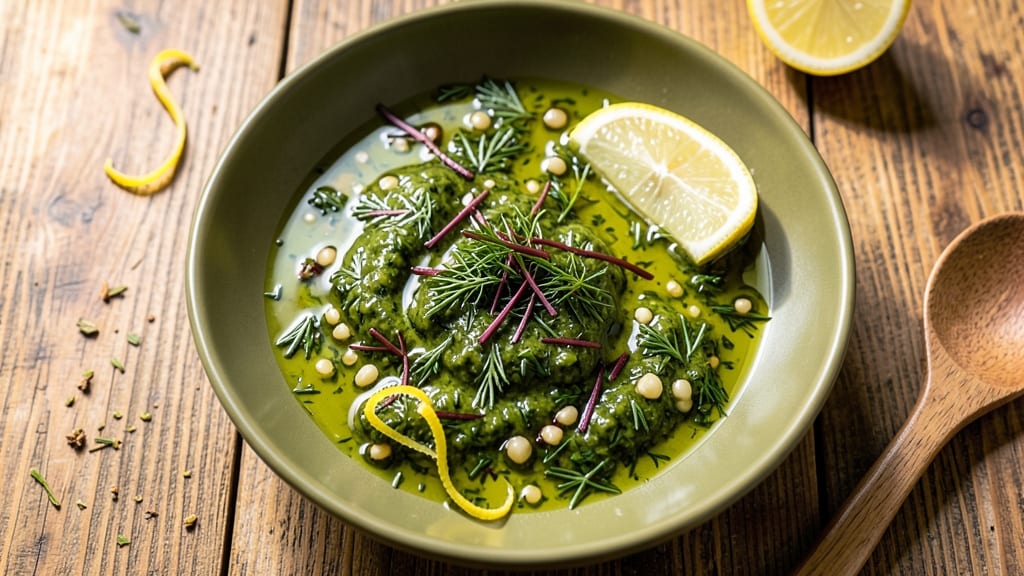
This Greek salad dressing recipe no mustard transforms simple ingredients into a bright, herbaceous oil infusion that elevates every bite. The secret lies in balancing high-quality olive oil with tangy vinegar and fresh herbs like oregano and dill—no mustard needed.
I developed this version after discovering how much brighter and more authentic it tastes when built from scratch, with just a few pantry staples and fresh ingredients.
The dressing comes together in minutes with a simple ratio of olive oil to vinegar, fresh garlic, and a splash of lemon juice for that signature zing. What makes this recipe special is how the herbs infuse into the oil, creating layers of flavor that store-bought versions can't match.
The result is a dressing that's rich enough to coat greens generously but light enough to let the vegetables shine through.
What you'll achieve is a dressing so versatile it works with Greek salads, grilled meats, or even as a marinade. The lemon brightens the herbal notes, while the garlic adds depth without overpowering.
This recipe keeps well in the refrigerator for up to a week, making it perfect for meal prep.
The beauty of this dressing lies in its simplicity—just five core ingredients, yet the flavor is complex and restaurant-quality. Let's get started on creating your own batch of this herb-infused olive oil dressing that will make every salad taste like a Mediterranean vacation.
Ingredients for greek salad dressing recipe no mustard
Five ingredients make this vibrant dressing shine with Mediterranean brightness and herbal depth.
| Ingredient | Amount | Notes |
|---|---|---|
| Extra-Virgin Olive Oil 🫒 | ¾ cup | High quality, fruity variety |
| Red Wine Vinegar 🍷 | ¼ cup | Dry, aged for balance |
| Fresh Dill 🌿 | ¼ cup | Chopped, stems removed |
| Fresh Oregano 🍃 | ¼ cup | Packed, finely chopped |
| Garlic Cloves 🧄 | 2 cloves | Peeled, minced finely |
| Lemon Juice 🍋 | ⅛ cup | Freshly squeezed |
| Sea Salt 🧂 | ½ tsp | Fine grain preferred |
| Black Pepper 🌶️ | ¼ tsp | Freshly ground |
The olive oil is non-negotiable here—look for extra-virgin with fruity notes, like Colavita or Bertolli from the grocery store's international aisle. Fresh herbs are key for that authentic flavor, but if you're in a pinch, dried dill and oregano at half the amount will work. Garlic should be freshly minced, not pre-minced from a jar. For vinegar, red wine vinegar adds complexity, but balsamic works too—just reduce to 2 tbsp for the same tang. Lemon juice should be freshly squeezed; bottled won't cut it here.
No red wine vinegar? White wine vinegar or apple cider vinegar both work in a pinch, though the flavor profile shifts slightly. Short on fresh dill? Fresh parsley at the same amount adds a milder herbal note. Want more depth? Add 1 tsp dried thyme to the mix. The lemon juice can be substituted with orange juice for a sweeter twist, though it'll change the dressing's brightness. For a smoother texture, strain the dressing through a fine-mesh sieve after mixing.
Store this dressing in an airtight jar in the fridge for up to 1 week. The flavors meld beautifully over time, so it actually tastes better the next day. For longer storage, transfer to a sterilized jar and keep it in the fridge for up to 2 weeks. The dressing works perfectly on Greek salads, grilled meats, or even as a marinade—just make sure to shake it well before each use.
Why You'll Love This Recipe
- No Mustard, No Problem: I’ll be real—this dressing is ridiculously simple. Just a quick chop of garlic, a handful of herbs, and a splash of vinegar. No measuring cups, no fancy tools, just raw, honest flavor in under five minutes.
- Herbs Do the Work: Between us, the dill and oregano here are dangerously good. That bright, fresh punch from the dill cuts through the richness of the olive oil, while the oregano adds a warm, earthy depth. Honestly, it’s the kind of dressing that makes you want to eat salad for every meal.
- Weeknight & Potluck Hero: This isn’t just for salads—drizzle it over grilled chicken, roasted veggies, or even crusty bread. And the best part? It’s the kind of dressing that actually travels well. Make a big batch on Sunday, and you’ve got flavor covered for the whole week.
- Budget-Friendly & Long-Lasting: Extra-virgin olive oil and vinegar are cheap staples, and fresh herbs stretch farther than you’d think. Store it in the fridge for up to a week, and it only gets better as the flavors meld. Not the prettiest, but the taste makes up for it every time.
Step-by-step instructions for herb-infused olive oil dressing
This dressing delivers bright Mediterranean flavors without a single mustard grain—just fresh herbs, zesty citrus, and premium olive oil.
Finely Chop the Fresh Herbs and Garlic
Place the 0.25 cup fresh dill and 0.25 cup fresh oregano on a cutting board. Using a sharp chef's knife, finely chop both herbs together—aim for small, even pieces that will blend smoothly into the dressing. The stems should be removed completely from the dill, but you can leave the oregano stems intact if you prefer a slightly more rustic texture.
Next, peel the 2 cloves garlic and mince them into a fine paste using the flat side of your knife. This ensures they'll disperse evenly throughout the dressing rather than creating clumps. I like to press the garlic against the cutting board with the heel of my knife to break it down completely before chopping. The goal is to create a uniform, almost powdery texture that won't overpower the delicate flavors.
Combine Wet Ingredients in a Mixing Bowl
In a medium mixing bowl, pour in the 0.75 cup extra-virgin olive oil and 0.25 cup red wine vinegar. Add the 0.125 cup lemon juice and stir with a whisk or fork until everything is thoroughly combined. The mixture should look like a smooth, pale yellow emulsion—this is your base flavor profile.
Add the 0.5 teaspoon sea salt and 0.25 teaspoon black pepper to the bowl, then give it another quick stir. At this point, the dressing will taste quite mild—this is normal since the herbs haven't been incorporated yet. The salt should dissolve completely, and the pepper should be evenly distributed throughout the liquid.
Fold in the Herbs and Garlic
Add the finely chopped herbs and garlic to the bowl with the wet ingredients. Using a fork, gently fold everything together until the herbs are fully incorporated and no dry spots remain. Be careful not to overmix—just enough to distribute the herbs evenly. The dressing should take on a vibrant green hue from the dill and oregano.
Taste the dressing at this stage. It should be bright, with a noticeable herbal aroma and a tangy kick from the vinegar and lemon. If it needs more acidity, add a splash more lemon juice—just 1 teaspoon at a time—until you reach the perfect balance. The herbs should be present but not overpowering; the olive oil should remain the dominant flavor with its rich, fruity notes.
Rest and Adjust for Maximum Flavor
Cover the bowl with plastic wrap and let the dressing rest at room temperature for at least 15 minutes. This resting period allows the flavors to meld together and the herbs to release their full aroma. I like to give it up to 30 minutes if I have the time—this makes a noticeable difference in depth of flavor.
After resting, give the dressing another taste. The flavors should now be more harmonious, with the herbs contributing their earthy notes and the lemon providing a bright, refreshing finish. If you find it needs more balance, you can adjust by adding a pinch more salt, a few extra drops of lemon juice, or even a tiny bit more olive oil to mellow out the acidity. Once you're satisfied with the flavor, transfer the dressing to a clean, airtight jar or bottle for storage.
Pro Tips For Making Greek Salad Dressing Recipe No Mustard
- Mince That Garlic Fine: I learned this the hard way—chunky garlic in dressing tastes like you threw in a whole clove instead of flavor. Use a knife to press and chop the cloves into a paste before adding them, so they dissolve smoothly into the oil. No food processor? A wide knife and the flat of your palm works just as well.
- Whisk While Warm: Cold olive oil and vinegar separate like oil and water if you mix them straight from the fridge. Warm the oil slightly (just until it’s cool to the touch) before whisking it with the vinegar—this ensures the emulsion holds together. No need to heat it up; just let it sit out for 5 minutes.
- Toast the Herbs First: Fresh dill and oregano lose their brightness if they sit in raw vinegar too long. Lightly toast the chopped herbs in a dry pan for 10 seconds until fragrant—this preserves their flavor and prevents them from turning bitter. Skip this, and your dressing tastes like you grabbed herbs from the back of the fridge.
- Balance the Ratios: My first few batches were either too sharp or too oily. Aim for 3 parts oil to 1 part vinegar (e.g., 3/4 cup oil to 1/4 cup vinegar), then adjust to taste. If it’s too tangy, add a splash more oil; if it’s bland, a tiny extra vinegar wakes it up. Taste as you go—no guessing.
Serving suggestions for leftovers
Salad Pairings
This dressing shines especially on traditional Greek salads—toss it with crisp cucumber, tomato, red onion, and feta cheese for that authentic Mediterranean flavor. I love adding kalamata olives and sliced bell peppers to round out the dish.
The bright lemon and herbs cut through the richness of the feta beautifully. 🥗
Protein Pairings
Use this dressing as a marinade for grilled chicken or lamb chops—the herbs infuse into the meat while adding a tangy crust. For seafood lovers, drizzle it over grilled shrimp or baked salmon just before serving.
The acidity in the dressing helps tenderize the proteins while adding a fresh finish. I often brush it on grilled halloumi for a quick appetizer.
Vegetable Sides
This dressing elevates simple vegetable sides like roasted eggplant, grilled zucchini, or steamed asparagus. Toss it with warm roasted potatoes for a hearty side dish that pairs perfectly with grilled meats.
The olive oil base also makes it ideal for drizzling over warm pita bread or flatbread with a sprinkle of za'atar for a quick snack.
Dipping Sauce
Thin it slightly with a splash of water or more vinegar to create a dipping sauce for warm pita chips, crudités, or even fresh mozzarella balls. The herby brightness contrasts wonderfully with the softness of the mozzarella.
I also use it as a dip for grilled octopus or shrimp skewers—just add a pinch of red pepper flakes for extra kick. 🍴
Meal Prep Hack
Double the recipe and store it in a glass jar in the fridge for up to 1 week. Use it as a quick dressing for prepped salads, a marinade for weeknight proteins, or even a finishing drizzle for homemade wraps.
The flavors actually improve over time, so it’s perfect for batch cooking. Just give it a good shake before each use to redistribute the herbs.
Sweet Twist
For a dessert application, drizzle this dressing over fresh berries with a sprinkle of honey and toasted nuts. The herbal notes pair surprisingly well with strawberries or peaches, especially when served chilled.
I’ve even used it as a glaze for baked chicken with a touch of maple syrup for a sweet-savory fusion. 🍓
Nutrition facts
Frequently asked questions
Why does this dressing work without mustard?
The secret lies in balancing bright lemon juice and red wine vinegar with rich olive oil. The fresh herbs (dill and oregano) add herbal depth that replaces mustard's sharpness, while garlic provides the savory base. The acidity from vinegar and citrus creates the same tangy kick mustard would offer.
Can I make this dressing ahead of time? This dressing tastes even better after 24 hours as the flavors meld together. Store it in an airtight jar in the fridge for up to 1 week. The herbs infuse more deeply into the oil over time, creating richer flavor. Just
What if I don't have fresh dill or oregano?
Use dried herbs at half the amount (1/4 tsp dried dill and 1/4 tsp dried oregano for the recipe). For dill, you can substitute with fresh parsley at the same quantity, though the flavor will be milder. If you're missing oregano, try thyme or basil for a different but still Mediterranean profile. The dressing will still be delicious—just with a slightly different herbal character.
How much dressing should I use per salad?
Start with 1-2 tablespoons per serving and adjust to taste. This dressing is rich but light, so it coats greens beautifully without overwhelming them. For a traditional Greek salad with feta, cucumber, and tomatoes, 2 tablespoons per serving works perfectly. The dressing also works well as a marinade—use 1/4 cup per pound of protein.
Can I use this dressing on cooked proteins?
Yes! This dressing makes an excellent marinade or finishing sauce for grilled chicken, lamb, or seafood. For marinating, use 1/4 cup per pound of meat and let it sit for 30 minutes to 2 hours. For seafood like shrimp or salmon, use it as a finishing drizzle just before serving to prevent overcooking. The acidity helps tenderize while adding vibrant flavor.