
Sauces & Condiments
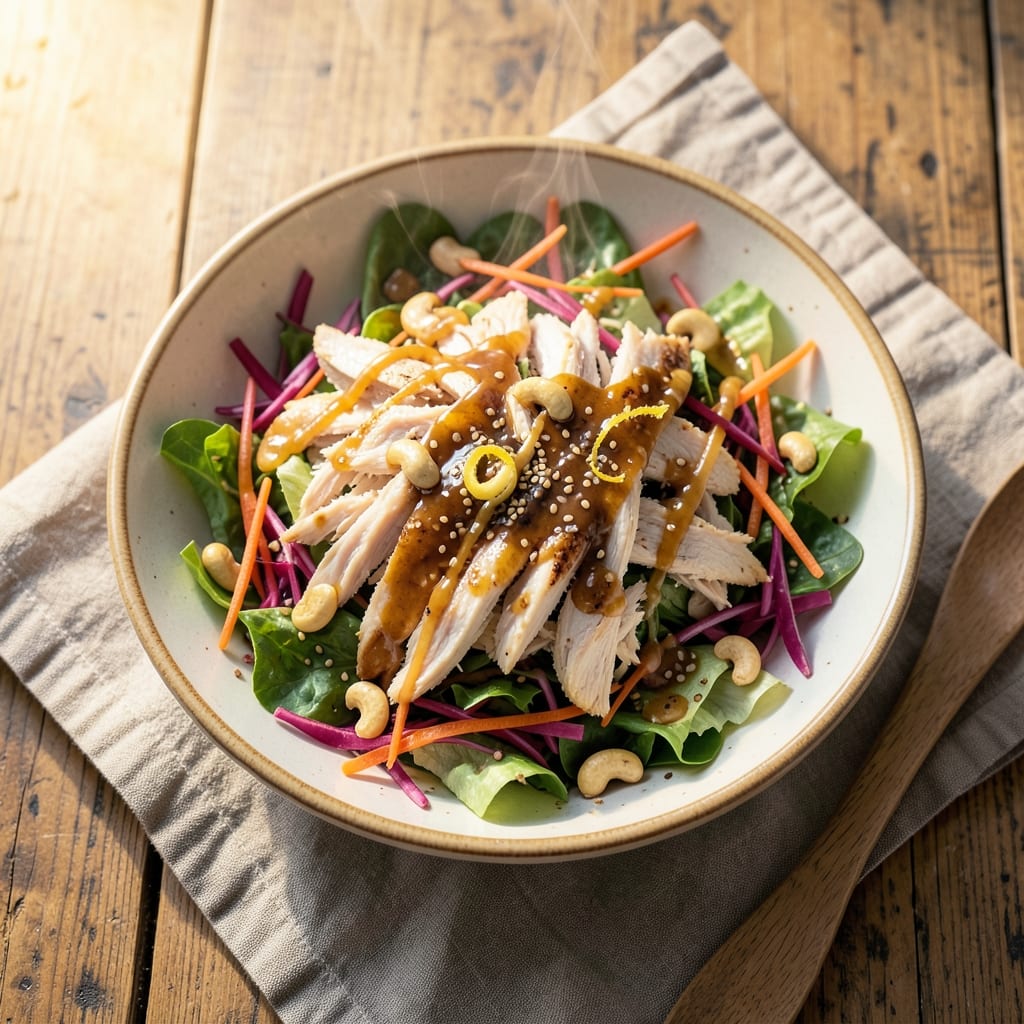
This Asian chicken salad sesame dressing recipe transforms ordinary greens into a restaurant-worthy dish with just a few simple ingredients. The nutty depth of toasted sesame oil and paste creates an irresistible balance with the tangy brightness of rice vinegar, while a touch of honey adds subtle sweetness that rounds out the flavors. I developed this dressing after years of perfecting sesame-based sauces for my restaurant menu, and it's become a staple in my kitchen for its ability to elevate even the most basic salad.
The secret to this dressing lies in the proper ratio of ingredients—equal parts sesame paste and vinegar create the perfect foundation, while the toasted sesame oil adds that signature aroma and richness. A splash of honey not only sweetens but also helps emulsify the dressing, ensuring it clings beautifully to every leaf and crunchy bite. What makes this recipe truly special is its versatility; it works equally well with shredded chicken, crisp vegetables, or even as a dipping sauce for spring rolls.
What you'll end up with is a velvety, aromatic dressing that's neither too sweet nor overly salty—just perfectly balanced. The toasted sesame notes shine through while the vinegar keeps the flavors bright and fresh. This isn't just another salad dressing; it's a flavor experience that transforms simple ingredients into something extraordinary. The best part? It takes less than five minutes to make and keeps well in the refrigerator for up to a week.
For those who prefer a different flavor profile, you can easily adjust the sweetness by adding more honey or reducing it slightly, or even incorporate a pinch of chili flakes for a subtle kick. The dressing's simplicity makes it ideal for meal prep, and its rich flavor ensures every bite of your Asian chicken salad will be memorable. Let's get started on creating this crowd-pleasing dressing.
Ingredients for asian chicken salad sesame dressing
Five minutes, ten ingredients—this dressing turns basic salads into restaurant-worthy bites.
| Ingredient | Amount | Notes |
|---|---|---|
| Toasted Sesame Oil 🫒 | ¼ cup | High-quality, nutty aroma |
| Sesame Paste 🥜 | ¼ cup | Smooth, no lumps |
| Rice Vinegar 🍶 | ¼ cup | Light, mild flavor |
| Honey 🍯 | 1 tbsp | Pure, liquid honey |
| Soy Sauce 🍜 | 1 ½ tbsp | Light or regular |
| Sesame Seeds 🌾 | 1 tbsp | Toasted, for garnish |
| Garlic Cloves 🧄 | 1 clove | Minced, for depth |
| Ground Ginger 🌿 | ½ tsp | Freshly ground preferred |
| Salt 🧂 | ¼ tsp | Fine sea salt |
| Water 💧 | 2 tbsp | Room temperature |
The sesame paste and oil are non-negotiable here. Trader Joe's and Asian markets have the best quality—look for paste that's smooth and lump-free. Toast your own sesame seeds in a dry pan for 2-3 minutes until golden (they'll add crunch). Rice vinegar should be light and mild—Kikkoman is a safe bet. If you're using honey, make sure it's liquid (not crystallized). The garlic and ginger are your flavor boosters, so don't skip them—freshly minced or grated makes all the difference.
No sesame paste? Blend toasted sesame seeds with a little oil—it won't be identical, but it works in a pinch. Out of rice vinegar? Apple cider vinegar or white vinegar works, but you might want to add a pinch of sugar to balance. Want it sweeter? Add another tablespoon of honey. For a spicy kick, toss in a pinch of red pepper flakes. The water helps thin the dressing if it gets too thick—just add it gradually. If you're using this for spring rolls, you can make it slightly thicker by reducing the water to 1 tablespoon.
This dressing keeps beautifully in the fridge for up to 1 week in a sealed jar. If it separates, just whisk it back together before using. For meal prep, I double the batch and store it in small containers—perfect for tossing with salads or dipping spring rolls. The sesame oil will separate on top, but that's normal. Just give it a good stir before using. If you're not using it all within a week, it freezes well for up to 3 months—though I've never had leftovers that long.
Why You'll Love This Recipe
- Five-Ingredient Magic: I swear by this dressing—just whisk together toasted sesame oil, sesame paste, rice vinegar, honey, and soy sauce. No fancy techniques, no measuring cups (eyeball it!), and it’s ready while your salad greens stay crisp.
- Umami Bomb: That first drizzle of sesame paste and soy sauce? Instant flavor explosion. The honey cuts the salt just enough, and the toasted sesame oil adds a nutty warmth that makes every bite sing—no heavy mayo needed.
- Lunchbox Hero: Pack this dressing in a small jar and toss it with pre-cooked chicken, shredded cabbage, or even cold noodles. It’s my go-to for work lunches or picnic spreads—bright, tangy, and way more exciting than bottled dressing.
- Budget Brightener: Sesame paste and toasted oil last forever, and a little goes a long way. I make a big batch, store it in the fridge, and use it for weeks—drizzled on salads, stir-fries, or even grilled fish. Cheap, bold, and always impressive.
Step-by-step instructions for Asian chicken salad sesame dressing
This dressing comes together in minutes with bold flavors that'll elevate any salad.
Combine Wet Ingredients in a Bowl
In a medium bowl, whisk together the 0.25 cup toasted sesame oil and 0.25 cup sesame paste until completely smooth. I like to press the paste through a fine-mesh sieve first to eliminate any lumps—this ensures a silky texture. Add the 0.25 cup rice vinegar, 1 tbsp honey, 1.5 tbsp soy sauce, 0.5 tsp ground ginger, and 0.25 tsp salt to the bowl.
Whisk vigorously for about 1 minute until everything is fully incorporated. You should see the mixture start to emulsify slightly, turning a rich amber color. The ginger and garlic will add warmth, while the vinegar keeps the flavors bright and balanced. If you notice any separation, just whisk a bit more—this is normal with sesame paste.
Add Garlic and Thin with Water
Mince the 1 clove garlic cloves finely (or press it through a garlic press for even distribution) and add it to the bowl. Stir well to combine, then gradually whisk in the 2 tbsp water one tablespoon at a time. This step is crucial—adding water slowly prevents the dressing from becoming too thin too quickly.
The garlic will infuse its pungent flavor, but don't worry if it looks a bit chunky at first. As you whisk, the dressing will start to thicken slightly, creating a glossy, cohesive texture. If it feels too thick after whisking, add an extra ½ teaspoon of water—just enough to make it pourable but still cling to greens.
Taste and Adjust Seasoning
Give the dressing a taste and adjust the seasoning as needed. If it tastes too sharp, add a touch more honey (about ½ teaspoon at a time). If it needs more depth, stir in an extra ½ teaspoon of soy sauce. The balance should be nutty from the sesame, tangy from the vinegar, and slightly sweet from the honey.
Here's the thing—this dressing is meant to be bold, so don't be afraid to lean into the flavors. If it's too thick after tasting, thin it with another ½ teaspoon of water until it reaches a consistency that coats the back of a spoon but still drizzles smoothly. The perfect dressing should coat salad ingredients lightly without making them soggy.
Garnish and Store
Transfer the dressing to a clean jar or airtight container. Sprinkle the 1 tbsp sesame seeds on top for a final crunchy garnish. These seeds not only add texture but also enhance the nutty aroma when you open the jar later. Seal the container and give it a gentle shake to distribute the seeds evenly.
This dressing keeps well in the refrigerator for up to 5 days, making it perfect for meal prep. Before using, give it a quick whisk or shake—sometimes the flavors meld even better after resting. The sesame seeds will stay fresh and toasty for the first few days, so save any extra for garnishing future salads or bowls.
Pro Tips For Making Asian Chicken Salad Sesame Dressing
- WHISK THE PASTE FIRST: I learned this the hard way—dumping sesame paste directly into the dressing and ending up with clumps. Mix it with a splash of warm water (about 1 tablespoon) first to dissolve it completely, then whisk into the other ingredients. This ensures a silky texture instead of a gritty one.
- USE RAW SESAME OIL: Toasted sesame oil is for finishing, not cooking. If you add it while whisking, the heat will burn off its delicate aroma. Save it for the last drizzle—just before serving—to keep that nutty, fragrant punch intact.
- BALANCE THE SWEET-SALTY: Soy sauce and honey can easily tip into either too salty or too cloying. Taste as you go: for every 1 tablespoon of soy sauce, add 1 teaspoon of honey, then adjust. If it’s off, a pinch of rice vinegar or a dash of sesame paste can rebalance it faster than you’d think.
- STRAIN IF NUTTY: Store-bought sesame paste often has tiny seeds that turn your dressing grainy. If you’re picky about texture (or serving to kids), strain it through a fine-mesh sieve after whisking. Yes, it’s an extra step—but your salad will look (and taste) like it came from a restaurant.
Best sauces and condiments for this asian chicken salad sesame dressing
Sweet-Savory Balance
The honey in this dressing isn’t just for sweetness—it’s the secret emulsifier that binds the sesame oil and vinegar into a silky texture. I’ve found that local Georgia wildflower honey adds subtle floral notes that complement the nutty sesame beautifully. For a deeper umami punch, swap ½ tablespoon of the honey for 1 teaspoon of maple syrup—it enhances the caramelized flavors when paired with grilled chicken. 🍯
Spicy Kick Options
Want heat? Add ½ teaspoon of gochujang (Korean chili paste) for a smoky-spicy depth, or ¼ teaspoon of chili flakes for a quick fiery finish. I once served this dressing with Thai basil and chili-lime shrimp—the contrast was incredible. For a subtler kick, infuse the dressing with 1 thinly sliced jalapeño (remove seeds) while whisking, then strain before serving.
Umami Boosters
For extra depth, stir in 1 teaspoon of fish sauce (like Red Boat) or ½ teaspoon of miso paste for a fermented richness. I’ve used this trick in my restaurant when we serve the salad with seared scallops—the umami layers make every bite sing. If you’re vegetarian, 1 teaspoon of nutritional yeast adds a cheesy, savory note without overpowering the sesame.
Herb Infusions
Fresh herbs elevate this dressing to new heights. Try 1 tablespoon of finely chopped cilantro or Thai basil for brightness, or 1 teaspoon of minced shallots for a sharper bite. Once, I added ½ teaspoon of toasted coriander seeds (ground) to a batch—it gave the dressing an earthy complexity that paired perfectly with cucumber and edamame. Always add herbs at the very end so their flavors stay vibrant.
Thicker or Thinner?
Need it thicker for dipping? Reduce the water to 1 tablespoon and whisk in 1 teaspoon of cornstarch mixed with 1 teaspoon of cold water until smooth. Too thick? Thin with 1 teaspoon of warm water at a time. Pro tip: If you’re using this for spring roll dipping sauce, add 1 extra teaspoon of sesame paste for a glossier, stickier texture that clings to every bite. 💫
Nutrition facts
Frequently asked questions
Can I make this sesame dressing without sesame paste?
Blend ¼ cup toasted sesame seeds with 2 tablespoons neutral oil until smooth, then use it in place of the sesame paste. The texture won't be identical, but you'll still get that nutty depth. For best results, toast the seeds in a dry pan for 2-3 minutes until golden before blending.
How do I prevent the dressing from separating?
Whisk vigorously for at least 1-2 minutes when combining ingredients, and add water gradually. The honey acts as a natural emulsifier, but for extra insurance, whisk in ½ teaspoon of mustard or 1 teaspoon of cornstarch slurry (mix cornstarch with cold water). Store it in a sealed jar and shake before each use.
Is this dressing gluten-free?
Not by default, but it's easy to adapt! Use tamari or gluten-free soy sauce instead of regular soy sauce. Double-check your sesame paste label too—some brands process with wheat. For extra safety, make a small batch with certified gluten-free ingredients first to test the flavor.
Can I use this dressing on other dishes besides salads?
Yes! It's fantastic for dipping spring rolls, pho noodles, or grilled shrimp. For extra richness, reduce the water to 1 tablespoon and add 1 teaspoon extra sesame paste to make it thicker. I've also used it as a marinade for tofu or chicken skewers—the sesame flavors penetrate beautifully.
Why does my dressing taste too salty?
Soy sauce and sesame paste can pack a salty punch! Taste as you go and adjust by adding 1-2 teaspoons more honey or 1 tablespoon water to dilute. If it's still too strong, stir in ½ teaspoon of sugar to balance the saltiness. Remember, you can always add more dressing later—better to start slightly bland than oversalted.