
Salads
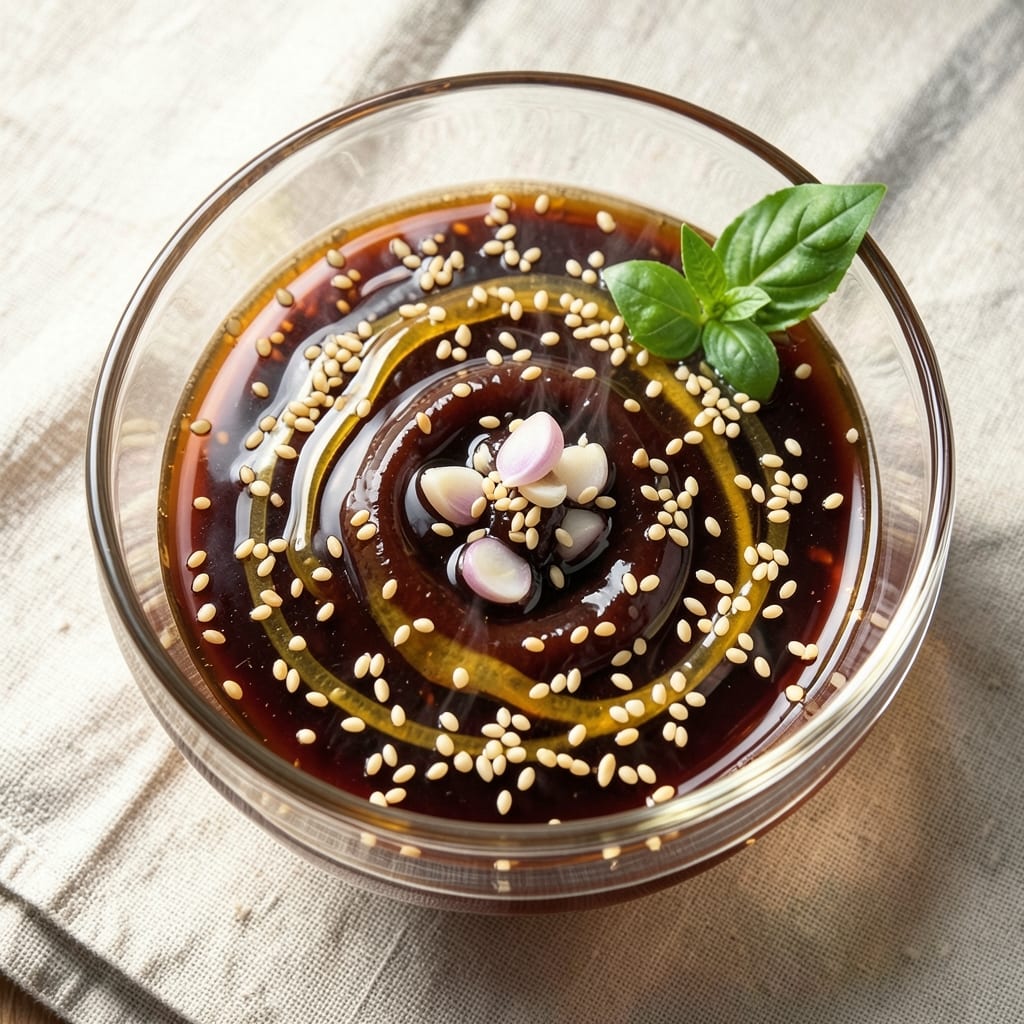
This Asian chopped salad dressing recipe delivers a perfect balance of umami, sweetness, and tang in just 5 minutes—no cooking required. The secret lies in combining soy sauce, sesame oil, and rice vinegar with a touch of honey or sugar, creating a sauce that transforms simple greens into a vibrant, restaurant-worthy dish. I developed this recipe after realizing store-bought dressings never quite captured the depth of flavor I craved in Asian salads.
The dressing's magic comes from its simplicity: just whisk together 5 ingredients until fully emulsified, then adjust the sweetness to taste. The soy sauce provides that essential umami depth, while sesame oil adds nutty richness and rice vinegar brightens the flavor profile. This dressing works equally well with cabbage slaw, shredded carrots, or any Asian-inspired salad combination.
What makes this recipe truly special is its versatility—it enhances not just salads but also grilled meats, noodles, or even as a dipping sauce. The balance of flavors creates a perfect harmony that's both satisfying and refreshing. Once you try this dressing, you'll never go back to bottled versions again.
Store any leftovers in an airtight container in the refrigerator for up to 1 week, though I rarely have any lasting that long. The dressing maintains its vibrant color and bold flavors, making it perfect for meal prep. Let's create this flavor-packed dressing that will elevate every salad you make!
Ingredients for asian chopped salad dressing
Five ingredients transform into a restaurant-quality dressing that elevates every Asian salad.
| Ingredient | Amount | Notes |
|---|---|---|
| Soy Sauce 🍶 | ½ cup | High-quality, low-sodium preferred |
| Sesame Oil 🫒 | ¼ cup | Toasted sesame oil for nutty flavor |
| Rice Vinegar 🍶 | ¼ cup | Unseasoned for bright tang |
| Honey 🍯 | ¼ cup | Or agave for vegan option |
| Toasted Sesame Seeds 🌾 | 1 tbsp | For texture and aroma |
| Garlic Cloves 🧄 | 1 clove | Minced for subtle depth |
| Fresh Ginger 🌿 | ½ tsp | Finely grated, optional but recommended |
| Sesame Seeds 🌾 | 1 tsp | Extra for garnish |
The soy sauce is your flavor anchor—Kikkoman or Pearl River Bridge brands deliver that perfect umami punch. Sesame oil should be toasted (not the cheap grocery store kind)—look for it in the international aisle or Asian markets. If you're using honey, raw wildflower adds subtle floral notes, but any will work. For extra depth, add a pinch of red pepper flakes if you like a little heat. Fresh ginger is a game-changer here (trust me), but if you're skipping it, add an extra pinch of garlic for balance.
No sesame oil? Toasted peanut oil works in a pinch, though the flavor will differ slightly. Running out of honey? Maple syrup or brown sugar dissolved in warm water keeps the sweetness. The garlic can be pre-minced from a jar (convenient) or freshly minced (better flavor). For a smoother texture, blend everything in a food processor instead of whisking. If you're making this ahead, store the dressing without the sesame seeds—toss them in right before serving so they stay crisp.
This dressing keeps beautifully for 1 week in the fridge, though I rarely have leftovers that long. For meal prep, portion into small jars—one tablespoon per serving is perfect. The flavors actually deepen overnight, so it's even better the next day. If you're making a big batch, double the sesame seeds for garnish—they add that final wow factor. Freezes well for 3 months if you want to stock up.
Why You'll Love This Recipe
- Five-Ingredient Magic: I swear by this combo—just soy sauce, sesame oil, rice vinegar, honey, and those nutty seeds. No measuring cups, no fuss, just shake and taste. If you’ve ever burned a vinaigrette or overcomplicated dressing, this is your redemption.
- Umami Bomb: That first drizzle of soy and sesame oil? Pure flavor payoff. The honey cuts the salt just enough to make it bright, not heavy, and the toasted seeds add crunch that sticks to everything—chicken, noodles, even cold rice. It’s the kind of dressing that makes you want to eat the bowl it came in.
- Leftover Hero: I make a big batch on Sundays because it lasts. Drizzle it on prepped salads for the week, toss it with stir-fries, or use it as a marinade. Honestly, the jar never lasts past Wednesday—my kids steal it for their lunchboxes, and I don’t blame them.
- Budget Brightener: Sesame oil and soy sauce are pantry staples that won’t break the bank, and this dressing uses them smartly. A little goes a long way, so you’re not drowning in leftovers you’ll forget about. Plus, it’s the secret weapon for turning sad takeout noodles into something that feels special—without the takeout price tag.
Step-by-step instructions for Asian chopped salad dressing
Here's how to blend this vibrant dressing with perfect umami-sweet harmony in record time.
Whisk Together the Liquid Base
In a medium bowl, combine the 0.5 cup soy sauce, 0.25 cup rice vinegar, and 0.25 cup honey. Start with the soy sauce and vinegar, then slowly drizzle in the honey while whisking continuously. This gradual addition prevents the honey from clumping and ensures even distribution throughout the mixture.
Whisk vigorously for 1-2 minutes until completely smooth and glossy. You're looking for a uniform color and consistency—no streaks of honey should remain. The mixture should coat the back of a spoon, indicating proper emulsification. This base creates the perfect balance of salty, tangy, and sweet flavors that define Asian dressings.
Add Aromatics and Toasted Sesame Seeds
Finely mince the 1 clove garlic and grate the 0.5 tsp fresh ginger using a microplane or fine grater. Add these to the liquid base along with the 1 tablespoon toasted sesame seeds. The toasted sesame seeds will add a nutty depth and subtle crunch that elevates the dressing beyond basic sweet-savory profiles.
Whisk everything together for another 30 seconds until the garlic and ginger are fully incorporated. You'll notice the mixture darken slightly and develop a more complex aroma. The toasted sesame seeds should be evenly distributed but still visible—this ensures both texture and flavor in every bite of your salad.
Incorporate the Sesame Oil
This is where the magic happens. Slowly drizzle in the 0.25 cup sesame oil while whisking continuously. The key here is patience—add the oil in a thin, steady stream rather than pouring it all at once. This gradual incorporation prevents the dressing from separating and creates that signature silky texture.
Continue whisking for 1-2 minutes until the dressing reaches a luxurious, velvety consistency. You should hear a faint "schlick" sound as the whisk moves through the mixture, indicating proper emulsification. The dressing should coat the whisk completely without leaving any oil residue. If it looks too thick, you can thin it with 1 teaspoon of water at a time until it reaches your desired consistency.
Adjust Seasoning and Prepare for Service
Taste the dressing and adjust the balance to your preference. Need more sweetness? Add a touch more honey. Too tangy? A splash of water can help. The dressing should have a perfect harmony of all flavors—salty from the soy sauce, bright from the vinegar, sweet from the honey, and nutty from the sesame oil.
Transfer the dressing to a clean jar or airtight container. Sprinkle the 1 teaspoon sesame seeds on top for garnish and additional texture. This dressing keeps well in the refrigerator for up to 1 week, making it perfect for meal prep. Shake well before each use to redistribute any settled ingredients.
Pro Tips For Making Asian Chopped Salad Dressing
- STIR IN ORDER: Mix the honey and rice vinegar first—this prevents the honey from clumping when you add soy sauce. I learned this the hard way when my dressing turned into a sticky mess instead of a smooth sauce.
- USE WARM SESAME OIL: Heat the sesame oil slightly (just until it smells nutty) before adding it to the dressing—this releases its flavor better than dumping it in cold. Yes, even if you’re impatient like me, wait those 10 seconds.
- SALT THE SOY SAUCE: Skip the extra salt in your dressing if using regular soy sauce—it’s already packed with sodium. Light soy or tamari? Add a pinch of salt to balance the flavor.
- TOAST SEEDS LAST: Save the sesame seeds for the end and sprinkle them fresh over the salad—they lose their crunch if mixed into the dressing too early. (Your future self will thank you.)
Dietary considerations for this asian chopped salad dressing
Gluten-Free Adaptation
For a gluten-free version, simply swap the regular soy sauce for tamari or a certified gluten-free soy sauce like San-J Tamari. This maintains the umami depth without the gluten. I've tested this substitution in my kitchen and found it works perfectly—just ensure your other ingredients are also gluten-free if you're sensitive. The texture remains identical, so your salad won't miss a thing. 🌱
Vegan-Friendly Options
This dressing is naturally vegan, but you can enhance it further by using agave nectar instead of honey for the sweetener. I recommend Madhava Organic Agave for its smooth texture. For extra richness, add 1 teaspoon toasted peanut butter to the base—it blends seamlessly and adds protein. The result is just as flavorful and satisfying as the original. 🥜
Low-Sodium Version
If you're watching your sodium intake, use low-sodium soy sauce like Kikkoman Low Sodium and reduce the amount to 0.25 cup instead of 0.5 cup. To compensate for the flavor loss, add an extra 0.5 teaspoon grated ginger and a pinch of red pepper flakes for depth. This adjustment keeps the dressing vibrant and well-balanced without overpowering your salad. 💡
Sugar-Free Alternative
For a sugar-free option, replace the honey with monk fruit sweetener like Lakanto or erythritol. Use the same 0.25 cup measurement, but taste as you go since these sweeteners vary in intensity. The dressing will still have that perfect sweet-savory balance, just without the sugar. This version is great for keto or diabetic-friendly diets. 🍯
Allergen Considerations
If you have nut allergies, skip the sesame oil and seeds—replace them with avocado oil and sunflower seeds for a similar texture. For sesame-free sesame flavor, add 1 teaspoon ground coriander to the base. Always check labels on all ingredients to ensure they're processed in allergen-free facilities. Safety first! ⚠️
Keto-Friendly Adjustments
To make this dressing keto-friendly, keep the honey out and use 1 tablespoon sugar-free maple syrup (like Wyman's) instead. The net carbs will be minimal, and the flavor remains rich and satisfying. For extra fat to support ketosis, stir in 1 tablespoon coconut aminos along with the soy sauce. This keeps the dressing creamy and flavorful while staying low-carb. 🥑
Nutrition facts
Frequently asked questions
Can I make this dressing without sesame oil? Yes! For a sesame-free version, replace the 0.25 cup sesame oil with 0.25 cup toasted peanut oil or avocado oil. The flavor will be slightly different but still delicious. For extra depth, add 1 teaspoon ground coriander to mimic sesame's nutty aroma. Just
How do I prevent the dressing from separating?
To keep the dressing emulsified, whisk vigorously for at least 2 minutes when combining ingredients. Add the sesame oil slowly in a thin stream while whisking continuously. For extra insurance, blend everything in a food processor for 30 seconds instead of whisking. Store it in an airtight container and give it a good shake before each use.
What's the best way to store leftovers?
Keep the dressing in an airtight container in the refrigerator for up to 1 week. The flavors actually improve overnight! Store the sesame seeds separately and add them fresh before serving to maintain their crunch. For longer storage, freeze in ice cube trays for 3 months—just thaw overnight in the fridge.
Can I use this dressing on things other than salads?
This versatile dressing works beautifully on grilled chicken, shrimp, or tofu. Use it as a marinade for 15-30 minutes before cooking, or drizzle over noodle bowls and rice dishes. It even makes an excellent dipping sauce for spring rolls or dumplings. The sweet-savory balance enhances so many dishes beyond salads!
What if my dressing tastes too salty?
If the dressing is too salty, balance it by adding 1-2 teaspoons of honey or agave to sweeten, or a splash of water (1-2 teaspoons) to dilute. For extra depth without salt, stir in 0.5 teaspoon grated ginger or a pinch of red pepper flakes. Taste as you go—small adjustments make all the difference!