
Salads
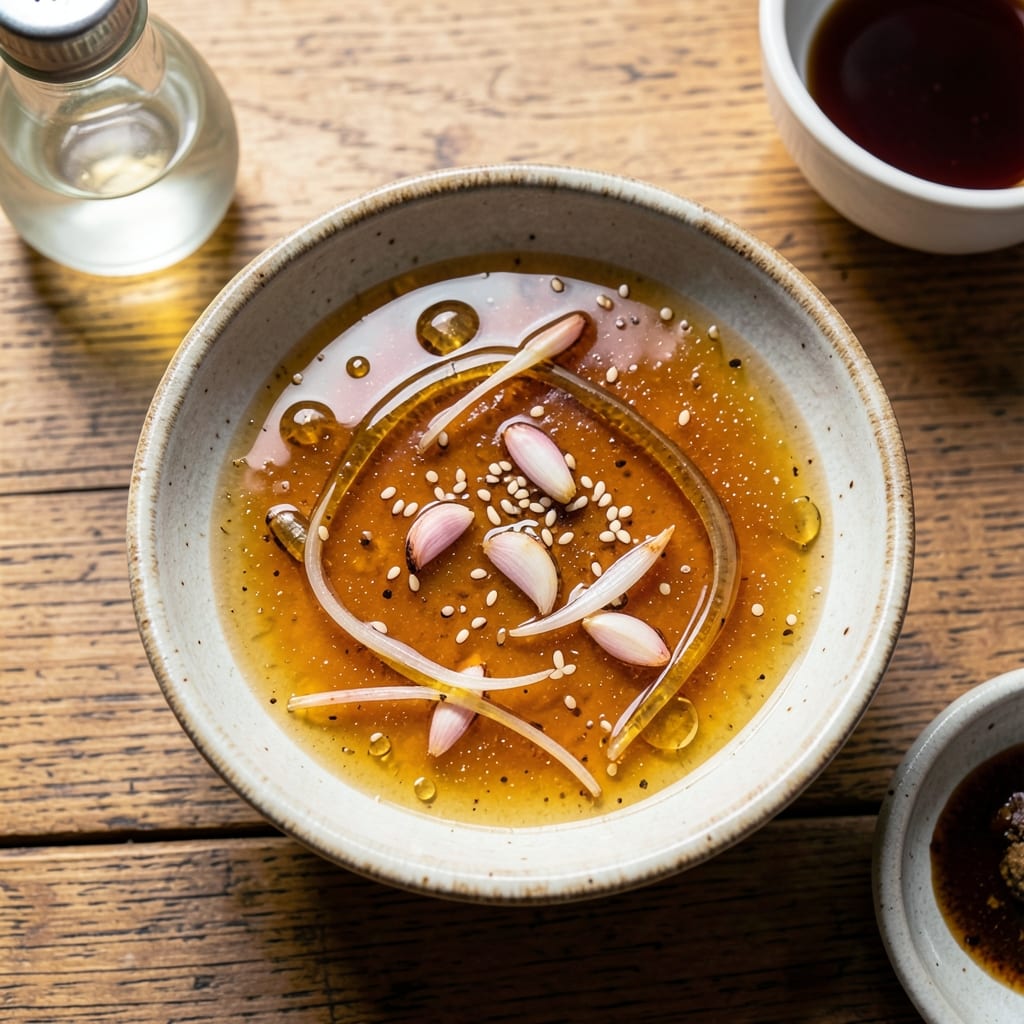
This Asian mandarin salad dressing recipe transforms simple greens into a vibrant, umami-packed dish with just five ingredients and 10 minutes of prep. The secret lies in balancing sweet mandarin orange juice with tangy rice vinegar and a touch of sesame oil—creating a dressing that's bright yet deeply savory. I developed this after craving something lighter than traditional creamy dressings but still packed with flavor that clings beautifully to crisp vegetables.
The dressing's magic comes from its simplicity: fresh mandarin juice provides natural sweetness, while rice vinegar adds the perfect tang to cut through richness. A splash of soy sauce introduces umami depth, and toasted sesame oil delivers that signature nutty aroma. This version keeps the ingredients minimal but maximizes flavor—no artificial additives or complicated techniques required. The result is a dressing that enhances rather than overpowers, letting the natural crunch of greens and vegetables shine through.
What makes this dressing truly special is its versatility—it elevates not just salads but also grilled chicken, shrimp, or even as a marinade for tofu. The flavors develop beautifully when mixed 30 minutes before serving, allowing the ingredients to meld into a cohesive, restaurant-quality drizzle. Store it in an airtight container in the refrigerator for up to five days, or make a double batch for meal prep throughout the week.
For an extra layer of complexity, consider adding a pinch of red pepper flakes or a dash of honey to adjust sweetness levels. The key is tasting as you go—this dressing should be balanced, with none of the components overpowering the others. Once you try it, you'll never go back to store-bought versions again.
Ingredients for asian mandarin salad dressing
Five essential ingredients blend into a bright, umami-packed dressing that elevates any salad or protein.
| Ingredient | Amount | Notes |
|---|---|---|
| Fresh Mandarin Orange Juice 🍊 | ½ cup | From 2-3 fresh mandarins, strained |
| Rice Vinegar 💧 | ¼ cup | Unseasoned, mild variety preferred |
| Toasted Sesame Oil 🫒 | 1 tbsp | High-quality, nutty aroma |
| Light Soy Sauce 🍶 | 1 tbsp | Kikkoman or similar preferred |
| Honey 🍯 | 1 tbsp | Wildflower or clover variety |
| Garlic Cloves 🧄 | 1 clove | Minced, for umami depth |
| Fresh Ginger 🌿 | ½ tsp | Grated, aromatic freshness |
| Sesame Seeds 🥜 | ½ tsp | Toasted, for garnish |
The mandarin juice is non-negotiable for that signature citrus brightness. Freshly squeezed from organic mandarins delivers the best flavor—avoid bottled juice, which often contains preservatives. For the rice vinegar, Koyo brand from Asian markets offers the cleanest tang, but any unseasoned rice vinegar works. Toasted sesame oil should be lightly toasted (not the dark, heavily toasted kind)—look for brands like La Choy or Kadoya for authentic flavor. The garlic and ginger should be freshly grated or minced to maximize their aromatic qualities. If you're short on time, pre-minced garlic works but loses some punch.
No mandarin juice? Substitute with an equal amount of fresh orange juice, though the flavor will be slightly less nuanced. For a tangier profile, increase the rice vinegar by half a teaspoon. If you're avoiding honey, agave nectar or maple syrup work in a 1:1 ratio. The sesame oil can be omitted if you're sensitive to its strong flavor, but I recommend keeping it—it's the heart of this dressing's signature aroma. For extra heat, add a pinch of red pepper flakes or a dash of sriracha. Always taste as you go; the dressing should balance sweet, tangy, and umami notes harmoniously.
This dressing keeps beautifully in an airtight container in the fridge for up to 5 days, though the sesame oil may separate slightly—just give it a good shake before using. For longer storage, transfer to a glass jar and freeze for up to 3 months. Thaw in the fridge overnight. The flavors actually develop more depth when mixed 30 minutes before serving, so plan ahead. If you make a double batch, it's perfect for meal prep—drizzle over greens, grilled chicken, or use as a marinade for tofu or shrimp.
Why You'll Love This Recipe
- Five-Ingredient Magic: I swear by this combo—no fancy gadgets, just a whisk and a jar. The mandarin juice adds bright citrus punch while honey balances it out, and that toasted sesame oil? Pure flavor in a single drizzle.
- Bright & Tangy: Honestly, the way rice vinegar and soy sauce marry here is next-level. It’s sweet, salty, and just tart enough to make your taste buds wake up—no heavy cream or weird aftertaste.
- Dresses Everything: Between us, this isn’t just for salads. Toss it on grilled chicken, drizzle over noodles, or even mix into marinades. (Yes, even on a Tuesday night when you’re craving something fresh but lazy.)
- Lasts All Week: I make a big batch and keep it in the fridge—no weird separation, no weird smells. The mandarin juice keeps it fresh longer than most dressings, and the soy sauce adds shelf-life magic. Budget win.
Step-by-step instructions for Asian mandarin salad dressing
This bright, balanced dressing delivers vibrant citrus notes with deep umami complexity—ideal for Asian-inspired salads.
Prepare the Aromatic Base
In a small saucepan, combine the 0.5 cup fresh mandarin orange juice and 0.25 cup rice vinegar. Bring to a gentle simmer over medium-low heat and reduce by half—this concentrates the flavors while preserving the citrus brightness. You'll notice the mixture darkens slightly and develops a deeper aroma, signaling the reduction is complete.
While the mixture reduces, mince the 1 clove garlic and grate the 0.5 tsp fresh ginger using a fine grater. The garlic should be finely chopped to prevent bitterness, while the ginger should resemble tiny specks for even distribution. Set these aside—they'll infuse the dressing with aromatic depth.
Whisk in the Umami Elements
Transfer the reduced citrus mixture to a mixing bowl and let it cool for 5 minutes. This cooling step prevents the honey from seizing when added later. Stir in the 1 tbsp light soy sauce and 1 tbsp honey, whisking until fully incorporated. The soy sauce adds savory complexity, while the honey balances the acidity with natural sweetness.
Add the minced garlic and grated ginger, whisking vigorously for 30 seconds to ensure even distribution. The dressing should now have a rich, aromatic scent—bright citrus with underlying umami and spice. Taste at this stage to gauge the balance; if needed, adjust with a touch more honey or soy sauce.
Finish with Toasted Sesame Oil
Remove the bowl from the heat source and let the dressing cool to room temperature. This is critical—adding cold sesame oil to a warm dressing will cause it to separate. Once cooled, drizzle in the 1 tbsp toasted sesame oil while whisking continuously. The oil should emulsify smoothly, creating a silky texture with a nutty aroma.
For garnish, lightly toast the 0.5 tsp sesame seeds in a dry skillet over low heat for 1-2 minutes until fragrant. Sprinkle them over the dressing just before serving to add crunch and visual appeal. The seeds should be golden and aromatic, not burnt.
Rest and Adjust for Perfection
Cover the dressing and refrigerate for at least 30 minutes to allow flavors to meld. This resting period is essential—it deepens the umami notes and balances the acidity. After resting, give it one final taste and adjust seasoning if needed. The dressing should coat the back of a spoon with a glossy sheen and deliver a harmonious blend of citrus, umami, and subtle spice.
Use immediately over mixed greens, shredded cabbage, or as a marinade for grilled proteins. The dressing keeps well in the refrigerator for up to 5 days, though fresh is always best for maximum brightness.
Pro Tips For Making Asian Mandarin Salad Dressing
- Strain the Juice: Mandarin oranges are packed with pulp—skip straining, and your dressing will turn into a gritty sludge. Use a fine-mesh sieve or cheesecloth to press out every last drop, even if it takes an extra 30 seconds. (Yes, even the stubborn bits at the bottom.)
- Warm the Honey: Cold honey is thick and stubborn. Microwave it for 10 seconds or warm it in a bowl of hot water before mixing—this ensures it blends smoothly with the vinegar and juice. I learned this the hard way after ending up with clumpy dressing that looked like it had been glued together.
- Taste Before the Sesame Oil: Toasted sesame oil is potent—add it last, and only a teaspoon at a time. If you dump it in early, you’ll either need to dilute the whole batch or end up with a dressing that tastes like a deep-fryer. Start with half the recipe’s amount, then adjust.
- Use Aged Soy Sauce: Light soy sauce works, but if you have dark or aged soy on hand, swap it in for depth. A single teaspoon of the richer version adds a caramelized note that cuts through the sweetness and brightens the mandarin. (I was skeptical until I tried it—now I won’t go back.)
Serving suggestions for asian mandarin salad dressing
Salad Pairings
This dressing shines on shredded cabbage salads—mix with shredded green cabbage, carrot, and cilantro for a crunchy, refreshing bite. I love adding thinly sliced cucumber and edamame for extra texture. For a heartier option, toss with mixed greens, mandarin segments, and toasted almonds to mirror the dressing's citrus notes. 🥗
Protein Pairings
Use this dressing as a marinade for grilled shrimp—toss 1 lb shrimp with 2 tbsp dressing for 15 minutes before grilling. It also elevates teriyaki-glazed chicken or sesame-ginger tofu. For a quick meal, drizzle over cold soba noodles with sliced avocado and scallions. The umami-sweet balance complements proteins beautifully.
Dessert Twist
Drizzle lightly over fresh fruit salads—try mango, pineapple, and kiwi—for a tangy contrast to sweetness. I also use it to glaze baked tofu or tempeh for a savory dessert option. For a unique touch, mix 1 tbsp dressing with 2 tbsp Greek yogurt and dollop over warm pancakes or crepes for a breakfast upgrade. 🍯
Global Adaptations
In Japan, this dressing pairs with sunomono (cucumber salad) or goma-ae (spinach with sesame). For a Thai-inspired twist, add 1 tsp fish sauce and ½ tsp lime zest to the recipe. In Korea, it works well with kongnamul muchim (spicy soybean sprouts) for a bold, crunchy salad. Each adaptation keeps the citrus-umami core while adding local flavors.
Presentation Tips
Serve the dressing in a small glass bowl with a spoon for dipping or drizzling. Garnish with toasted sesame seeds and a mandarin twist for visual appeal. For a restaurant-style touch, arrange edible flowers (like nasturtiums) around the bowl. The golden sesame seeds add contrast to the vibrant citrus color, making it look as delicious as it tastes. ✨
Nutrition facts
Frequently asked questions
Can I substitute bottled mandarin juice for fresh?
Fresh mandarin juice is ideal for authentic flavor, but you can use bottled juice in a pinch. Look for 100% pure mandarin juice without added sugars—it won't be as vibrant, but it'll still work. For best results, add 1 extra teaspoon of honey to compensate for the lost natural sweetness. The texture may be slightly thinner, so reduce the rice vinegar by half a teaspoon to maintain balance.
How do I make this dressing spicier?
For extra heat, add ¼ teaspoon of red pepper flakes or ½ teaspoon of sriracha when whisking in the soy sauce and honey. For a smoky kick, swap ½ teaspoon of the sesame oil for toasted chili oil. Always taste as you go—start with less and adjust gradually to avoid overpowering the citrus notes. A pinch of freshly grated ginger also adds subtle warmth.
Why did my dressing separate?
Dressing separation usually happens when sesame oil is added to warm liquid or if the mixture isn't emulsified properly. Let the base cool completely before adding oil, then whisk vigorously for 1 minute to combine. If it separates later, give it a good shake before using. For a more stable dressing, add ½ teaspoon of xanthan gum (common in baking) when whisking in the soy sauce—it acts as a natural thickener.
Can I use this dressing on cooked rice?
This dressing works beautifully as a cold rice bowl topping. Drizzle over steamed jasmine or sushi rice with sliced avocado, cucumber, and scallions. For extra texture, sprinkle with toasted sesame seeds and furikake. The citrus notes cut through the rice's starchiness, while the umami soy sauce enhances the grains' natural flavor. Serve immediately for the best texture contrast.
How much dressing should I make for a salad?
For a standard 8-cup salad, this recipe makes enough for 2-3 generous drizzles. Start with 2 tablespoons per salad and adjust to taste—you can always add more. If making for a crowd, double the recipe but store in two separate containers. The dressing's flavors develop when refrigerated, so mix it 30 minutes before serving for optimal balance. For larger gatherings, prepare half the batch and keep the rest fresh in the fridge.