
Salads
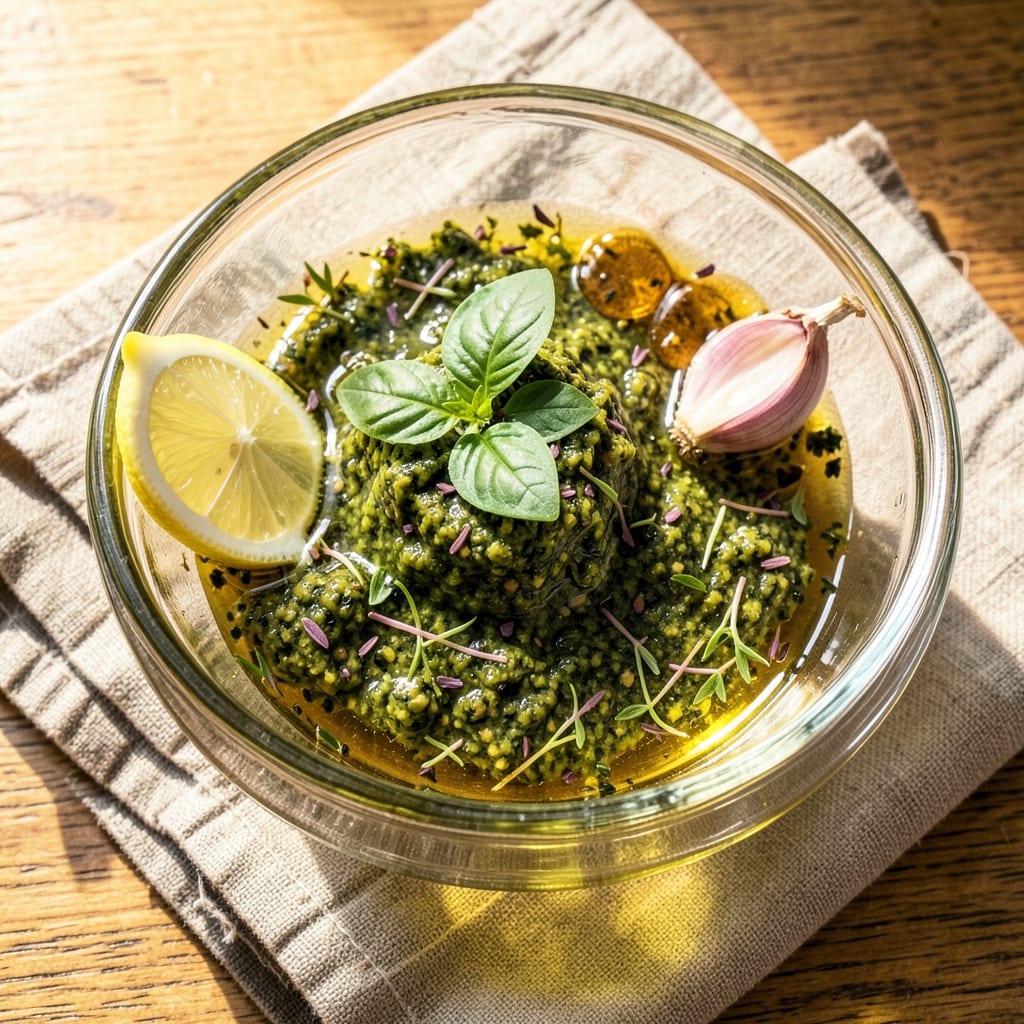
This Assaggio House Salad Dressing Recipe transforms simple ingredients into a bold Italian vinaigrette that elevates every bite. The secret lies in balancing sharp lemon juice, rich olive oil, and fresh herbs like basil and oregano—creating a dressing that’s tangy, aromatic, and deeply flavorful. I developed this recipe after years of perfecting the art of Italian-inspired dressings, ensuring each component enhances rather than overpowers the greens.
The foundation of this dressing is a simple yet precise ratio of oil to acid, with just enough sweetness from honey to round out the sharpness. Fresh herbs and garlic add layers of complexity, while a pinch of salt and black pepper ties everything together. Unlike store-bought versions, this dressing stays vibrant for up to a week in the fridge, making it perfect for meal prep or last-minute salads.
What sets this dressing apart is its versatility—it works equally well on classic house salads, hearty pasta dishes, or even as a marinade for grilled vegetables. The herbal depth makes it a standout, but you can easily customize it by adding Dijon mustard for extra tang or a splash of balsamic vinegar for richness. The result? A dressing that’s restaurant-quality yet effortlessly homemade.
Ready in just 5 minutes, this recipe requires no special equipment—just a whisk and a jar. Whether you’re dressing a simple green salad or drizzling it over roasted chicken, this Italian vinaigrette will bring a burst of fresh, vibrant flavor to every meal. Let’s make it!
Ingredients for assaggio house salad dressing
Nine premium ingredients create this restaurant-quality Italian vinaigrette with herbal depth and precise balance.
| Ingredient | Amount | Notes |
|---|---|---|
| Extra-Virgin Olive Oil 🫒 | ¾ cup | High-quality, fruity, cold-pressed preferred |
| Fresh Lemon Juice 🍋 | ½ cup | Freshly squeezed from ripe lemons |
| Raw Honey 🍯 | 2 tbsp | Light, floral variety for balance |
| Fresh Basil Leaves 🌿 | ½ cup | Packed, stems removed, organic preferred |
| Fresh Oregano Leaves 🍃 | ¼ cup | Dried oregano at 1/4 amount if fresh unavailable |
| Garlic Cloves 🧄 | 2 cloves | Peeled, finely minced for smooth texture |
| Diamond Crystal Kosher Salt 🧂 | 1 tsp | Fine grain for even dissolution |
| Freshly Ground Black Pepper 🌶️ | ½ tsp | Cracked peppercorns preferred |
| White Wine Vinegar 🍷 | 1 tbsp | Dry variety for acidity balance |
The olive oil is non-negotiable—Californian extra-virgin from Corto Olive Oil or Otto e Mezzo delivers the fruity complexity this dressing demands. For lemon juice, organic Meyer lemons from Whole Foods or local farmers markets provide that perfect sweet-tart balance, though standard lemons work in a pinch. Fresh basil and oregano should be vibrant green with no wilting—Trader Joe's often carries high-quality organic bundles, or check the Italian section at Gelson's. The garlic cloves must be firm and free of sprouts; Lundberg organic garlic is my go-to for consistent quality. For honey, avoid overly dark varieties—Manuka honey adds floral notes but can overpower, while clover honey provides gentle sweetness.
No extra-virgin olive oil? Avocado oil works in a bind, though it lacks the fruity depth. Substitute dried oregano at one-quarter the amount of fresh, but expect slightly less complexity. For vinegar, apple cider vinegar adds subtle sweetness but reduces acidity—adjust to taste. The honey can be swapped for agave nectar for vegan diets, though it lacks floral undertones. Fresh herbs can be omitted entirely if needed, but the dressing loses its signature character. For a more robust flavor, add 1 tsp Dijon mustard or 1 tbsp balsamic vinegar, though these alter the intended balance. Always taste before whisking—this dressing relies on precision.
Store in a glass jar with an airtight lid in the refrigerator for up to 7 days, though flavor peaks within the first 3 days. For longer storage, transfer to a sterilized glass bottle and freeze for up to 3 months. Shake vigorously before each use, as ingredients naturally separate. This dressing thrives on customization—double the batch for meal prep, or halve it for single servings. The ratio remains consistent regardless of quantity, ensuring restaurant-quality results every time.
Why You'll Love This Recipe
- No-Chop Needed: I swear by this one—just muddle basil and oregano with your hands (no knife required), then drizzle in the olive oil, lemon, and honey. Five minutes tops, and zero cleanup.
- Bright & Balanced: That honey-lemon combo cuts through the richness of the olive oil like a summer breeze—bright, tangy, and just sweet enough. Honestly, it’s the kind of dressing that makes you want to eat salad every day.
- Weeknight & Potluck Hero: I keep a jar in my fridge for quick lunches, but it’s also my go-to for dinner parties. Drizzle it over grilled veggies, fish, or even roasted chicken—suddenly, everything feels fancier.
- Fridge-Stable Treasure: Make a big batch (it keeps for weeks) and forget about last-minute store-bought bottles. A splash of water thins it out when needed, and the flavors only deepen over time—my secret for stress-free meal prep.
Step-by-step instructions for assaggio house salad dressing
This Italian vinaigrette delivers vibrant herbal depth with precise technique and fresh ingredients.
Blend the Herbal Base
Combine the 0.5 cup fresh basil leaves and 0.25 cup fresh oregano leaves in a food processor or blender. Pulse until you achieve a finely chopped consistency—think of it as a pesto-like texture rather than a puree. This ensures the herbs contribute their bright flavors without becoming overly fibrous.
I like to add the 2 cloves garlic cloves at this stage as well, mincing them directly in the processor. The garlic should be completely incorporated but not turned into a paste. This step builds the aromatic foundation that will carry through the entire dressing. If using dried oregano as a substitute, reduce the amount to 1 tablespoon since dried herbs are more concentrated.
Whisk the Wet Ingredients
In a separate bowl, measure out the 0.5 cup fresh lemon juice and 1 tablespoon white wine vinegar. Whisk these together until fully combined, then gradually add the 0.75 cup extra-virgin olive oil in a slow, steady stream. This emulsification process is critical—adding oil too quickly can cause separation.
While whisking, incorporate the 2 tablespoons raw honey and 1 teaspoon Diamond Crystal kosher salt. The honey should dissolve completely, creating a smooth, syrupy consistency. Taste at this stage to assess the balance of acidity and sweetness. You might find the vinegar and lemon juice are too sharp—this is normal, as the olive oil will mellow the flavors as you continue.
Combine and Emulsify
Transfer the blended herb mixture to the bowl with the wet ingredients. Using a whisk, combine everything until you achieve a homogeneous texture. The dressing should coat the back of a spoon without being overly thick. If it appears too thick, gradually add 1-2 tablespoons water to reach your desired consistency.
This is where the magic happens—the herbs should be evenly distributed throughout the dressing, creating that signature Italian herbal depth. The olive oil acts as an emulsifier, binding all the components together. Give it one final taste and adjust the seasoning if needed, adding more salt or a touch of lemon juice if necessary. The dressing should be bright, tangy, and subtly sweet with a pronounced herbal aroma.
Rest and Refine
Cover the dressing and let it rest at room temperature for at least 30 minutes. This resting period allows the flavors to meld and the dressing to reach its optimal consistency. I find that the herbs release more of their essential oils during this time, deepening the aromatic profile.
After resting, give the dressing one final whisk to ensure everything is well combined. The texture should be silky and the flavors harmonized. If you notice any separation, simply whisk vigorously to re-emulsify. This dressing keeps well in the refrigerator for up to 5 days, making it perfect for meal prep. Shake or whisk before each use to maintain the ideal texture.
Pro Tips For Making Assaggio House Salad Dressing
- STRAIN THE BASIL: Tear the basil leaves instead of chopping them—it releases more oils—but strain the dressing afterward through a fine-mesh sieve. The tiny stems add bitterness, and you’ll taste the difference. (Yes, even if you’re tempted to skip it.)
- EMULSIFY IN STAGES: Honey and olive oil don’t mix easily. Start by whisking lemon juice and honey in a small bowl until the honey dissolves completely, then slowly drizzle in the oil while whisking vigorously. This keeps the dressing smooth, not split.
- USE COLD HONEY: Chill your honey in the fridge for 10 minutes before mixing—it thickens slightly and blends better with the oil. I learned this the hard way when my dressing turned into a greasy mess. (Trust me, it’s worth the wait.)
- SALT THE OIL FIRST: Add a pinch of salt to the olive oil before emulsifying—it helps the dressing cling to greens and balances the sweetness. Skip this, and your salad will taste flat, even if the flavors are technically correct. (Your taste buds will notice.)
Wine and beer pairings for assaggio house salad dressing
Italian White Wine Pairings
This dressing pairs beautifully with crisp, dry Italian whites that complement its herbal brightness. I always reach for a Vermentino from Sardinia—its citrusy acidity mirrors the lemon in the dressing while the mineral notes enhance the olive oil’s depth. A Pinot Grigio from Alto Adige works equally well, with its delicate almond undertones balancing the dressing’s sweetness. 🍷
Avoid heavy, oaked whites like Chardonnay—they’ll clash with the dressing’s freshness. Instead, opt for wines with 3-4% acidity to cut through the richness of salads or grilled meats. Serve both at 50-55°F for optimal flavor harmony.
Crisp Lager Complements
For beer lovers, a crisp Italian lager like Peroni or Moretti provides the perfect clean slate to let the dressing’s flavors shine. The subtle malt sweetness in these lagers actually enhances the honey notes in the dressing, creating a surprisingly balanced pairing. 🍺
If you prefer craft options, a Belgian witbier (like Hoegaarden) adds a fun contrast with its coriander and orange peel notes, which complement the dressing’s herbal complexity. Just avoid heavy IPAs—their bitterness will overpower the delicate dressing.
Red Wine Exceptions
While this dressing typically pairs with whites, a light-bodied Chianti (85% Sangiovese) works surprisingly well with hearty salads like kale or spinach. The wine’s bright acidity and cherry notes play off the dressing’s herbal depth. Decant for 30 minutes to soften any tannins. 🍇
For red wine pairings, stick to wines with 12-13% ABV and avoid bold Cabernets or Syrahs. The key is matching the wine’s acidity to the dressing’s lemon and vinegar components. Always serve reds slightly chilled (60°F) when pairing with this dressing.
Seasonal Adaptations
In summer, pair this dressing with a Sauvignon Blanc from New Zealand—its grassy notes echo the basil and oregano. For winter meals, a dry Riesling from Germany adds a touch of petrol complexity that stands up to the dressing’s richness. 🍷
Remember that the dressing’s flavor evolves over time, so adjust your wine pairing based on how long it’s been stored. Freshly made dressing pairs best with the brightest, most acidic wines, while older dressing (after 3-4 days) can handle slightly more structured wines.
Nutrition facts
Frequently asked questions
Can I make this dressing without fresh herbs?
Yes, but the flavor will be less vibrant. Use 1 tablespoon dried basil and 1 teaspoon dried oregano instead of fresh, as dried herbs are more concentrated. For best results, lightly crush the dried herbs between your fingers before adding to release their aromas. The texture will also be slightly different—expect a more rustic, earthy profile rather than the bright herbal notes of fresh.
How do I fix a dressing that's too thick or too thin?
For a thick dressing, gradually add 1-2 tablespoons water while whisking until you reach a smooth, pourable consistency. If it's too thin, whisk in 1-2 teaspoons extra-virgin olive oil to bind the ingredients. The key is to adjust slowly—adding too much liquid or oil at once can cause separation. Always taste as you go to maintain the perfect balance of flavors.
Can I use this dressing on non-salad dishes?
This versatile vinaigrette works beautifully as a marinade for grilled chicken or fish, a drizzle over pasta, or even a dip for crusty bread. The herbal depth and tangy sweetness make it a great finishing touch for roasted vegetables too. For marinades, reduce the honey to 1 tablespoon to prevent caramelization during cooking.
Why does my dressing separate after refrigeration?
Separation is normal—it happens when the oil and acid-based ingredients naturally split. Simply whisk or shake vigorously before using to re-emulsify. To prevent future separation, store the dressing in a glass jar with an airtight lid and avoid adding too much liquid. The 30-minute rest before refrigerating also helps stabilize the texture. For extra insurance, whisk in ½ teaspoon Dijon mustard during preparation—it acts as a natural emulsifier.
What's the best way to store leftovers?
Transfer the dressing to a clean, dry glass jar with an airtight lid and refrigerate for up to 7 days. For longer storage, freeze in ice cube trays—thaw overnight in the fridge and whisk to restore texture. Always shake well before using, as refrigeration can cause separation. Pro tip: Label the jar with the date to track freshness. The dressing tastes best within the first 3 days, when the herbs are at their peak aroma.