
Salads
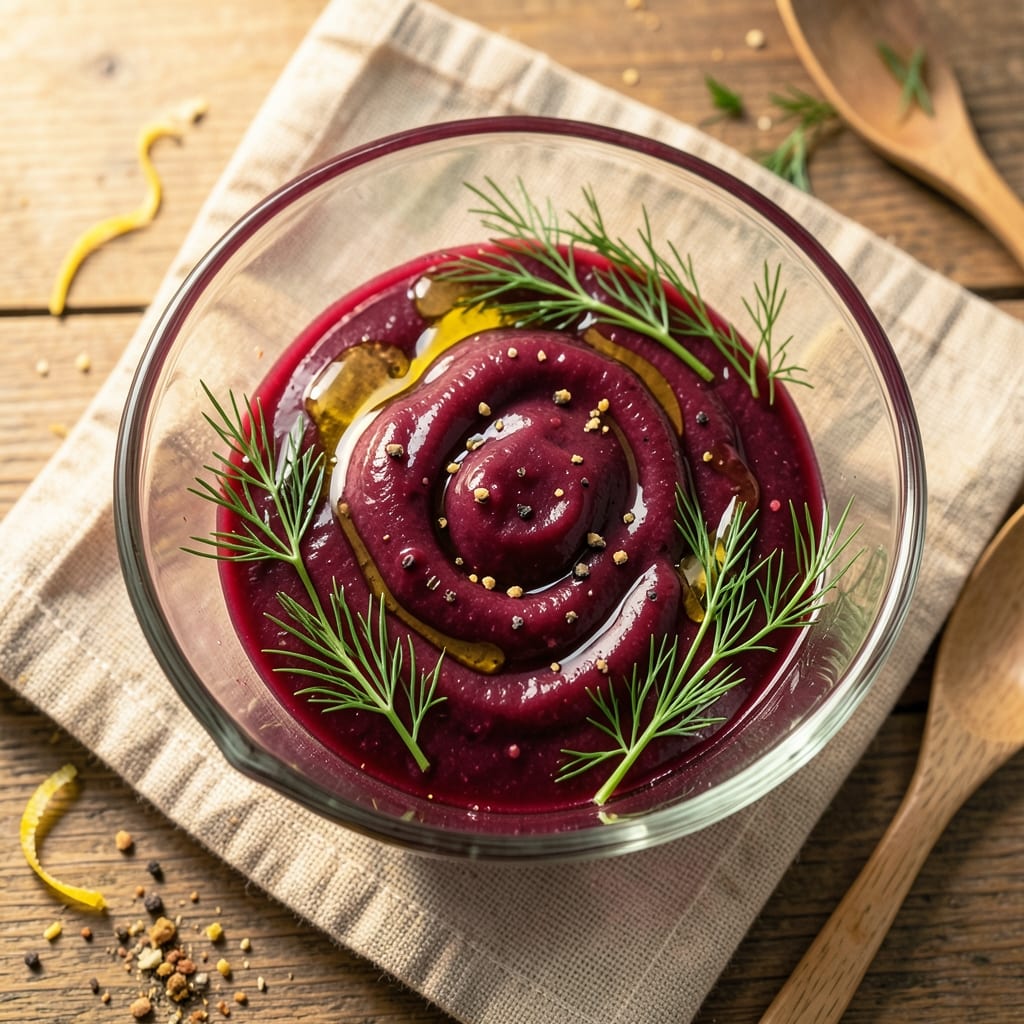
This beet juice salad dressing recipe transforms simple greens into a vibrant, earthy masterpiece with just 5 ingredients and 10 minutes of prep time. The deep purple swirl adds visual drama while tangy vinegar and citrus brighten the earthy beet flavor, creating a dressing that's both sophisticated and approachable. Perfect for plant-based diets, this recipe delivers restaurant-quality flavor without dairy or animal products.
The secret lies in balancing sweet and tangy elements—beet juice provides natural sweetness, while apple cider vinegar and lemon juice create that signature zing. Fresh herbs like dill or parsley add freshness, and a touch of Dijon mustard helps emulsify the dressing for a silky texture. This version stays stable for up to a week in the fridge, making it ideal for meal prep.
What makes this dressing truly special is its versatility. Drizzle it over mixed greens, grain bowls, or roasted vegetables for instant color and flavor. The vibrant hue also makes it perfect for garnishing soups or drizzling over avocado toast. Each batch yields about 1 cup, enough for 4-6 servings, with no waste—every drop is packed with flavor.
For best results, use freshly pressed beet juice for maximum vibrancy, but store-bought works in a pinch. The dressing thickens slightly when refrigerated, so give it a quick stir before using. This isn't just a salad topping—it's a flavor enhancer that elevates any dish with its bold, earthy character.
Ingredients for beet juice salad dressing
Five ingredients transform ordinary salads into vibrant, restaurant-worthy masterpieces.
| Ingredient | Amount | Notes |
|---|---|---|
| Fresh Beet Juice 🍠 | ½ cup | Freshly pressed preferred |
| Apple Cider Vinegar 🍏 | ¼ cup | Raw, unfiltered for tang |
| Extra-Virgin Olive Oil 🫒 | ½ cup | High quality, fruity |
| Fresh Lemon Juice 🍋 | 2 tbsp | Freshly squeezed, no pulp |
| Dijon Mustard 🌶️ | 1 tbsp | For emulsification |
| Fresh Dill 🌿 | 2 tbsp | Chopped, stems removed |
| Sea Salt 🧂 | ½ tsp | Fine grain preferred |
| Black Pepper 🌶️ | ¼ tsp | Freshly ground |
| Maple Syrup 🍁 | 1 tbsp | Pure, grade B preferred |
Beet juice is the star here—freshly pressed gives the deepest purple hue, but store-bought works in a pinch (just check for no added sugar). Trader Joe's and Whole Foods carry great quality bottled beet juice, but if you're feeling ambitious, juicing fresh beets takes 5 minutes. The key is using organic beets when possible—they're sweeter and more vibrant. For extra richness, I sometimes add a splash of balsamic vinegar instead of half the apple cider vinegar, but that's optional. The dressing's signature swirl comes from balancing the earthy beet with bright acidity—don't skip the lemon juice, even if it seems like overkill.
No fresh dill? Fresh parsley or cilantro works beautifully—just double the amount. Short on Dijon? Yellow mustard at half the quantity gets you close, though the flavor won't be as refined. The maple syrup might seem unnecessary, but it rounds out the beet's natural sweetness without overpowering. Agave nectar works too, but maple adds a subtle caramel note that's perfect. For a nutty twist, swap half the olive oil for toasted walnut oil. And if you're making this ahead, add the lemon juice last—it keeps the dressing brightest for longest.
This dressing keeps for 7 days in the fridge, but the color fades slightly over time. To preserve vibrancy, store it in a dark glass jar and give it a quick shake before using. The texture thickens when chilled, so stir vigorously before drizzling. Makes about 1 cup, perfect for 4-6 servings. Pro tip: Divide into small jars for easy grab-and-go meal prep—it's amazing on overnight oats too.
Why You'll Love This Recipe
- Five-Ingredient Magic: I swear by this combo—just whisk together beet juice, vinegar, olive oil, lemon, and mustard. No fancy gadgets, no stress, and honestly? It’s the kind of dressing that makes me feel like I actually cooked something.
- Earthy Yet Bright: The deep, sweet beet juice meets the tangy vinegar and zesty lemon—it’s like a flavor party in your mouth. The Dijon mustard adds just enough kick to keep it interesting, never boring.
- Pantry Staple Power: Between us, you’re already stocked for this. No specialty ingredients lurking in the back of the fridge—just things you grab weekly. That’s my kind of recipe: reliable, no excuses.
- No Waste, All Win: Use up that beet juice before it goes bad—no sad, wilted veggies here. Plus, it keeps for days in the fridge, so you’re not scrambling to use it all at once. Smart, simple, and saves money.
Step-by-step instructions for beet juice salad dressing
This vibrant dressing comes together in minutes with bold flavors and a perfect swirl.
Whisk Together the Wet Ingredients
In a medium bowl, combine the 0.5 cup fresh beet juice, 0.25 cup apple cider vinegar, 2 tablespoons fresh lemon juice, and 1 tablespoon maple syrup. Use a whisk and stir vigorously for about 30 seconds until everything is fully incorporated. You'll notice the mixture deepens in color as the beet juice blends with the other liquids.
The acidity from the vinegar and lemon juice helps balance the natural sweetness of the beet juice and maple syrup. If you're using freshly pressed beet juice, it might be slightly thicker—this is perfect for creating a rich, velvety dressing. Taste the mixture now; it should be tangy and slightly sweet with a deep earthy flavor from the beets.
Add Dijon Mustard and Salt
To the beet mixture, add the 1 tablespoon Dijon mustard and 0.5 teaspoon sea salt. Whisk again for another 20-30 seconds until the mustard is completely dissolved and the salt is evenly distributed. The mustard acts as an emulsifier, which will help the dressing cling beautifully to your salad greens.
Here's the thing—Dijon mustard is key for this recipe. It not only adds a subtle depth of flavor but also helps create that signature swirl effect when you drizzle the dressing. If the mixture starts to look too thick, you can add 1 teaspoon of water to loosen it slightly, but don't worry if it's a bit thick at this stage—it will come together perfectly in the next step.
Slowly Incorporate the Olive Oil
With the whisk still in the bowl, very slowly drizzle in the 0.5 cup extra-virgin olive oil while continuing to whisk vigorously. Add the oil in a thin, steady stream—this is crucial for creating a smooth, emulsified dressing. You'll see the mixture transform from a thick liquid into a lighter, creamier consistency as the oil blends in.
This step is where the magic happens. If you add the oil too quickly, the dressing will separate. But if you take your time and whisk steadily, you'll end up with a silky, velvety dressing that clings beautifully to your greens. The high-quality olive oil adds a fruity richness that pairs perfectly with the earthy beets and bright acidity.
Fold in the Fresh Dill and Pepper
Once the oil is fully incorporated, gently fold in the 2 tablespoons chopped fresh dill and 0.25 teaspoon black pepper using a spatula. Stir just until the dill is evenly distributed throughout the dressing. The fresh dill adds a bright, herbal note that cuts through the richness of the beets and olive oil.
Taste the dressing one final time and adjust the seasoning if needed. You might want to add a pinch more salt or a splash of lemon juice to balance the flavors. The dressing should have a perfect harmony of sweet, tangy, earthy, and herbal notes. If you let it sit for 10-15 minutes before using, the flavors will meld even more beautifully.
Store and Use Immediately
Transfer the dressing to a clean, airtight jar or container. It's best used immediately, but if you need to store it, keep it refrigerated for up to 5 days. Before using, give it a good shake or whisk to re-emulsify if it separates slightly. This dressing is incredible drizzled over mixed greens, roasted vegetables, or even as a dip for crusty bread.
Real talk: This dressing is a game-changer for any salad. The vibrant purple swirl not only looks stunning but also adds a unique flavor profile that elevates simple greens to something extraordinary. Don't be afraid to experiment with it—it's just as delicious on grain bowls or as a marinade for grilled meats.
Pro Tips For Making Beet Juice Salad Dressing
- STRAIN THE JUICE WELL: Don’t just squeeze beets through a strainer—wrap them in cheesecloth or use a fine-mesh nut milk bag for ultra-smooth dressing. I learned this the hard way when my first batch had gritty bits that ruined the texture. It takes 10 extra seconds but makes a real difference.
- WHISK IN STAGES: Start with vinegar and mustard, then slowly drizzle in olive oil while whisking like your life depends on it. Adding oil all at once creates a greasy, unstable emulsion. Whisking in stages guarantees that silky, clingy texture you actually want.
- USE COLD BEET JUICE: Let freshly juiced beets cool completely before mixing—hot juice thins the dressing and weakens the emulsion. I used to rush this, and the dressing would separate within minutes. Pop the juice in the fridge for 15 minutes first, and it’ll hold together all day.
- SALT THE MUSTARD: Taste the Dijon before adding it to the dressing—most store-bought mustard is bland. Sprinkle a pinch of salt directly into the mustard while mixing it with vinegar. This step actually changes the flavor profile, making the dressing richer without extra salt later.
Troubleshooting this dish
Separation Solutions
If your dressing separates after refrigeration, don’t panic—it’s easily fixable! First, give the jar a vigorous shake for about 20-30 seconds. Then, whisk in 1 teaspoon of warm water or 1 tablespoon of extra-virgin olive oil to help re-emulsify. For stubborn separations, add ½ teaspoon of Dijon mustard and whisk again. The key is patience—don’t rush the whisking, or you’ll just create more air bubbles. 💫
Vibrancy Fading
The deep purple color may fade slightly over time, especially if exposed to light. To preserve vibrancy, store your dressing in a dark glass jar (like those from Ball Mason) and keep it refrigerated. Avoid metal spoons when serving—opt for glass or plastic to prevent oxidation. If the color dulls, add a splash of fresh beet juice or a pinch of turmeric for a quick boost. The flavor stays bold even if the hue fades!
Thickness Adjustments
If your dressing thickens too much after chilling, thin it with 1 teaspoon of warm water or 1 tablespoon of apple cider vinegar while whisking. For a smoother texture, strain through a fine-mesh sieve to remove any dill stems. Conversely, if it’s too thin, whisk in 1 teaspoon of maple syrup or ½ teaspoon of Dijon mustard to thicken. The ideal consistency should coat the back of a spoon but still drizzle easily. 🍠
Mustard Overpowering
Too much Dijon mustard can make the dressing taste bitter. If this happens, balance it with an extra 1 tablespoon of lemon juice or ½ teaspoon of maple syrup. For a smoother flavor, whisk in 1 teaspoon of olive oil to dilute the mustard’s intensity. Start with the full amount in future batches, but taste as you go—you can always adjust! The goal is a subtle tang, not a mustard-forward dressing.
Beet Juice Substitutes
No fresh beet juice? Use ¼ cup store-bought beet juice (like Bol Organic or Trader Joe’s) or blend 1 small cooked beet with ¼ cup water until smooth, then strain. For a deeper color, add ½ teaspoon of turmeric or 1 tablespoon of pomegranate juice. Just note that substitutes may alter the flavor slightly—fresh is always best! The dressing will still taste amazing, though.
Herb Swaps
Out of dill? Try 2 tablespoons fresh parsley, 1 tablespoon chopped cilantro, or 1 teaspoon dried dill (reduce by half). For a savory twist, add ½ teaspoon of finely chopped chives or 1 teaspoon of basil. Herbs like tarragon or thyme add an unexpected depth, but stick to fresh for the brightest flavor. The dressing’s balance will adjust naturally—just taste and tweak as needed! 🌿
Nutrition facts
Frequently asked questions
Can I use this dressing on non-salad dishes?
This vibrant dressing works beautifully on roasted vegetables, grain bowls, and even as a marinade for grilled chicken or tofu. The earthy sweetness pairs perfectly with sweet potatoes, quinoa, or roasted Brussels sprouts. Try drizzling it over avocado toast or using it as a dip for crusty bread with hummus.
How do I make this dressing thicker or thinner?
For a thicker dressing, whisk in ½ teaspoon of Dijon mustard or 1 teaspoon of maple syrup. If it's too thick after chilling, thin it with 1 teaspoon of warm water or 1 tablespoon of apple cider vinegar. The ideal consistency should coat the back of a spoon but still drizzle smoothly.
What if I don't have fresh beet juice?
Use ¼ cup store-bought beet juice (like Bol Organic or Trader Joe's) or blend 1 small cooked beet with ¼ cup water until smooth, then strain. For extra vibrancy, add ½ teaspoon of turmeric or 1 tablespoon of pomegranate juice. The flavor will still be delicious, though fresh juice gives the deepest color.
Why did my dressing separate?
Separation happens when oil and liquid ingredients don't fully emulsify. Fix it by vigorously shaking the jar for 20-30 seconds, then whisking in 1 teaspoon of warm water or 1 tablespoon of olive oil. For stubborn separation, add ½ teaspoon of Dijon mustard and whisk again. Always whisk slowly when adding oil to prevent separation.
Can I make this dressing ahead of time?
Yes! Store it in an airtight container in the fridge for up to 5 days. The color may fade slightly, but the flavor stays bold. For best results, store in a dark glass jar and give it a good shake before using. Add fresh lemon juice just before serving to brighten the flavors.