Salads
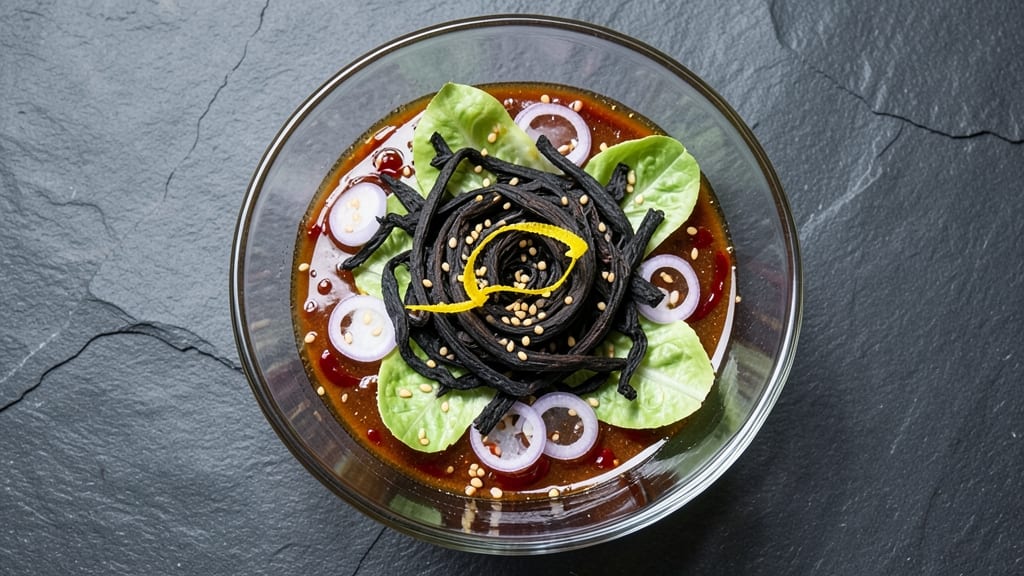
This Burma Superstar tea leaf salad delivers an umami bomb of flavor that transforms simple greens into a restaurant-worthy dish. 💛 The secret lies in perfectly steeping Burmese tea leaves—dark, earthy, and packed with depth—to create a dressing that’s both tangy and complex.
I’ve adapted this traditional Burmese salad for modern tastes, adding crispy shallots for texture and tamarind for a bright, citrusy kick that cuts through the richness.
The magic happens in the balance: wilted greens (like butter lettuce or spinach) absorb the tea-infused dressing while staying tender, and the crispy shallots add a satisfying crunch. This isn’t just a salad—it’s a flavor explosion that pairs perfectly with grilled proteins or even as a standalone dish.
The tea leaves, often overlooked in Western cuisine, are the star here, bringing a savory depth that’s hard to match.
By the time you assemble it, you’ll have a dish that’s crispy, vibrant, and impossible to resist—each bite delivers layers of umami, tang, and crunch. The tamarind adds a bright contrast, while the tea leaves tie everything together with their signature earthy richness.
It’s the kind of salad that elevates any meal, whether served at a dinner party or as a refreshing lunch.
Serve it chilled or at room temperature, garnished with toasted nuts or a sprinkle of sesame seeds for extra texture. This recipe bridges tradition and innovation, proving that tea leaves can be just as exciting as any fresh herb. Let’s get started!
Ingredients for burma superstar tea leaf salad
Earthy tea leaves, crispy shallots, and tangy tamarind—this salad is all about bold flavors.
| Ingredient | Amount | Notes |
|---|---|---|
| Burmese Black Tea Leaves ☕ | 2 tbsp | Loose-leaf, high-quality preferred |
| Hot Water 💧 | 1 cup | Freshly boiled for steeping |
| Tamarind Paste 🍈 | 2 tbsp | Unadulterated, no sugar added |
| Shallots 🧅 | 4 whole | Thinly sliced for crispy frying |
| Vegetable Oil 🫒 | ½ cup | High smoke point for frying |
| Butter Lettuce 🥬 | 6 cups | Wilted, not torn |
| Lime Juice 🍋 | 1 ½ tbsp | Freshly squeezed for brightness |
| Fish Sauce 🍜 | 1 tbsp | Red Boat preferred for quality |
| Sugar 🍬 | 1 tsp | Granulated, for balance |
| Toasted Sesame Seeds 🌰 | 1 tbsp | For garnish, optional |
| Crushed Peanuts 🥜 | 2 tbsp | Lightly toasted for crunch |
| Salt 🧂 | ½ tsp | Kosher or sea salt |
The Burmese tea leaves are the heart of this dish. Look for loose-leaf varieties at specialty tea shops—they hold up better than tea bags and have more depth. Adagio Teas or Harney & Sons often carry good options, but even the bulk section at Whole Foods works. If you can't find Burmese specifically, strong black tea like Assam or Ceylon will do in a pinch. The shallots? Thinly sliced and fried until golden—they should be crispy but not burnt. Use a high-smoke-point oil like avocado or peanut oil for frying, and keep the heat medium-high to avoid soggy shallots. Pro tip: Fry them in batches so they don’t steam in the oil.
No tamarind paste? Mix lime juice with a pinch of sugar for brightness, though it won’t be identical. Fish sauce is non-negotiable here—Red Boat is the gold standard, but Red Boat Original works too. If you’re avoiding fish sauce, soy sauce or coconut aminos can substitute, but the umami won’t be as rich. The sugar balances the acidity, but if you’re watching your intake, skip it entirely—the tamarind and lime will still shine. For the greens, butter lettuce is ideal because it wilts beautifully, but spinach or romaine work too. Just make sure they’re dry before tossing with the dressing.
This salad tastes best fresh, but you can prep components ahead. Fry the shallots and store them in an airtight container for 2 days—they’ll stay crispy. The tea dressing keeps for 3 days in the fridge, but the flavor peaks within the first day. For extra crunch, toast the sesame seeds and peanuts separately and add them just before serving. If you’re making this for a crowd, double the dressing and crispy shallots—it’s that good. Serve it chilled or at room temperature, but never warm, or the shallots will soften.
Why You'll Love This Recipe
- Tea in Minutes: I swear, this salad takes less time than boiling water for noodles. Steep those Burmese tea leaves, splash in tamarind—boom. No chopping mountains of herbs or waiting for marinades to work their magic.
- Tangy Crunch Magic: That tamarind paste? It’s the MVP. The tea leaves add this deep, earthy bite, while the crisp shallots cut through like a cool breeze after a spicy meal. Honestly, it’s the kind of flavor that makes you reach for seconds without thinking.
- Picnic or Potluck Hero: Between us, this salad travels better than my last attempt at homemade cookies. Pack it in a jar, toss it in a basket—it’s perfect for lunchboxes, office parties, or when your friend cancels last-minute. (Yes, even on a Tuesday night.)
- Pantry Staple Power: You’re already using oil, shallots, and tamarind? This recipe costs less than a fancy salad kit. And leftovers? They last days—just toss with rice or crackers. My wallet and I both approve.
Step-by-step instructions for Burma Superstar tea leaf salad
Here's how to craft this bold, umami-packed salad with perfect crispy shallots and vibrant tea infusion.
🍳 Step 1: Steep the Tea and Prepare the Tamarind Dressing
Bring the 1 cup hot water to a boil, then pour it over the 2 tbsp Burmese black tea leaves in a heatproof bowl. Let steep for 5 minutes until the water turns deep amber and rich. Strain through a fine-mesh sieve into a small bowl, pressing gently on the leaves to extract maximum flavor. In a separate small bowl, whisk together the strained tea, 2 tbsp tamarind paste, 1 tbsp fish sauce, 1.5 tbsp lime juice, 1 tsp sugar, and 0.5 tsp salt until fully dissolved and smooth.
Here's the thing—this dressing needs to be perfectly balanced. Taste as you go: the tamarind should be tangy but not overpowering, and the fish sauce should add depth without making it taste like a restaurant sauce. If it's too sour, add a pinch more sugar; if too salty, a splash of lime juice helps. Let the dressing sit for 5 minutes to meld flavors completely.
🔥 Step 2: Fry the Shallots to Crispy Perfection
Heat the 0.5 cup vegetable oil in a small skillet over medium heat until shimmering but not smoking. Add the 4 whole shallots, sliced paper-thin, and fry in batches if needed to avoid crowding. Cook for 3-4 minutes, stirring occasionally, until the shallots turn deep golden brown and crispy. Remove with a slotted spoon and drain on paper towels.
This is where the magic happens—don't rush it. The shallots should be so crispy they'll crunch between your teeth. If they're not golden enough after 3 minutes, let them cook longer. I like to press down gently on the shallots during the first minute to prevent curling, which ensures even contact with the hot oil.
👨🍳 Step 3: Wilt the Butter Lettuce Just Right
In the same skillet (no need to clean it—those crispy bits add flavor), add the 6 cups butter lettuce and toss gently with tongs for 1-2 minutes until just wilted but still vibrant green. The leaves should soften slightly but maintain their shape—overcooking will turn them mushy. Transfer to a large bowl and let cool slightly.
Real talk: this step is all about texture contrast. You want those crispy shallots to stand out against the tender lettuce. If the lettuce looks too dry after wilting, add a splash of the tea dressing to revive it. Don't skip this step—it's what gives the salad its signature balance of textures.
🥘 Step 4: Assemble and Garnish for Maximum Impact
Pour the tea dressing over the wilted lettuce and toss gently to coat evenly. Add the crispy shallots, then sprinkle with 2 tbsp crushed peanuts and 1 tbsp toasted sesame seeds. Divide among 4 serving plates, making sure each portion gets an even distribution of all components. The peanuts add crunch, the sesame seeds bring nutty depth, and the shallots deliver that addictive crispiness.
Let the salad sit for 5 minutes before serving—this gives the flavors time to marry. The tea dressing should cling to the lettuce, the shallots should still be crisp, and the peanuts should be slightly warm from the tossing. Serve immediately while the shallots are at their crispiest, and watch it disappear!
Pro Tips For Making Burma Superstar Tea Leaf Salad
- STEAM THE TEALAVES: I learned this the hard way—drowning tea leaves in boiling water kills their crispness. Instead, pour just enough hot water (about 1 cup per 2 tablespoons leaves) to barely cover them, then cover the pot and let them steam for 3-4 minutes. The result? Leaves that stay bright, not mushy.
- SWEAT SHALLOTS LOW: Skip the high heat—it burns before they soften. Cook your shallots in vegetable oil over low heat for 8-10 minutes, stirring occasionally, until they’re translucent and just starting to caramelize. Rush this, and you’ll taste bitter char instead of sweet depth.
- TAMARIND PASTE FIRST: Mix the tamarind paste into your dressing before adding oil or water. It thickens like glue when dry, and you’ll waste time fighting clumps later. Thin it with a splash of hot tea water first—this dissolves it smoothly every time.
- USE COLD TEA WATER: Let your steeped tea leaves cool completely before mixing into the salad. Hot tea water wilts the shallots and softens the leaves too fast, turning your crunchy salad into a sad, limp pile. Patience here = perfect texture.
Health benefits of this burma superstar tea leaf salad
Antioxidant-Rich Tea Boost
Burmese black tea leaves are packed with polyphenols and catechins, powerful antioxidants that help combat oxidative stress in your body. A single serving of this salad provides a significant dose of these compounds, which support heart health and may reduce inflammation.
The tea’s deep color is a visual cue of its high antioxidant content—think of it as a natural health booster in every bite. 💪
Digestive Benefits
The tea leaves contain tannins, which can aid digestion by promoting healthy gut bacteria and reducing bloating. Combined with the fiber-rich butter lettuce and crunchy peanuts, this salad becomes a digestive-friendly meal that’s gentle yet effective.
The tamarind paste adds prebiotic fiber, further supporting gut health. I’ve found this salad helps me feel lighter after meals, especially when paired with grilled proteins.
Umami Without the Sodium
Fish sauce and tea leaves deliver umami flavor without relying on excessive salt, making this salad heart-healthy yet deeply satisfying. The Red Boat fish sauce provides glutamates naturally, while the tea leaves contribute theanine, an amino acid that enhances flavor perception.
This combination creates a savory depth that’s far more complex than standard salads with just vinegar or lemon dressings.
Energy-Boosting Tamarind
Tamarind paste isn’t just for flavor—it’s a natural energy booster thanks to its B vitamins and iron content. The slight sweetness balances the tea’s earthiness while providing a quick energy lift, perfect for lunches or pre-dinner bites.
I’ve noticed this salad keeps me energized for hours after eating, unlike heavier salads that leave me sluggish.
Protein-Packed Crunch
The crushed peanuts and crispy shallots add plant-based protein and healthy fats, making this salad more filling than typical leafy greens. A serving provides about 5 grams of protein from the peanuts alone, which helps stabilize blood sugar levels.
The texture contrast also makes it more satisfying, reducing the urge to overeat.
Low-Calorie, High-Flavor
Despite its bold flavors, this salad is surprisingly light on calories—around 150-180 calories per serving—thanks to the tea-infused dressing and fresh greens. The tamarind and lime juice add brightness without sugar, while the shallots provide crunch without excess fat.
It’s the perfect balance of nutrition and indulgence, making it ideal for health-conscious eaters who still crave exciting flavors. ✨
Nutrition facts
Frequently asked questions
Can I substitute Burmese black tea with another type?
Yes, but the flavor will differ. For a similar earthy profile, use Assam or Ceylon black tea—both are bold and rich. Earl Grey works too, but the bergamot notes may clash slightly. Avoid green or white teas, as their delicate flavors won't stand up to the tamarind and fish sauce. If you can't find loose leaves, 2 tea bags steeped for 5 minutes will work in a pinch, though the flavor will be less concentrated.
How do I make the crispy shallots last longer?
Store them in an airtight container at room temperature for up to 2 days. For longer storage, refrigerate for 5 days—they’ll stay crispy if kept dry. To reheat, spread them on a baking sheet and warm in a 200°F oven for 3-5 minutes. Never microwave, or they’ll turn soggy. Pro tip: Add a paper towel to absorb moisture before sealing the container.
What if I don’t like fish sauce?
No problem! Swap the 1 tbsp fish sauce for 1 tbsp soy sauce or coconut aminos—both add umami depth. For a vegetarian option, try 1 tsp miso paste mixed with 1 tsp lime juice. The tamarind and tea will still shine, though the flavor profile will be slightly milder. Always taste as you go and adjust the sugar or lime to balance.
Can I prep this salad ahead of time?
Prep the dressing and store it in the fridge for 3 days—the flavors deepen over time. Fry the shallots fresh or store them separately for 2 days. Assemble the salad just before serving to keep the lettuce crisp. For extra convenience, toast the peanuts and sesame seeds ahead and store in a jar. The key is keeping the components separate until the last minute.
What’s the best way to serve this salad?
This salad shines as a light lunch or side dish, especially with grilled proteins like chicken or shrimp. For a vegetarian option, pair it with tofu or edamame. Serve chilled or at room temperature—never warm, or the shallots will soften. Garnish with extra sesame seeds or lime zest for freshness. It also makes a stunning appetizer when arranged on a platter with crispy rice crackers for scooping.