
Salads
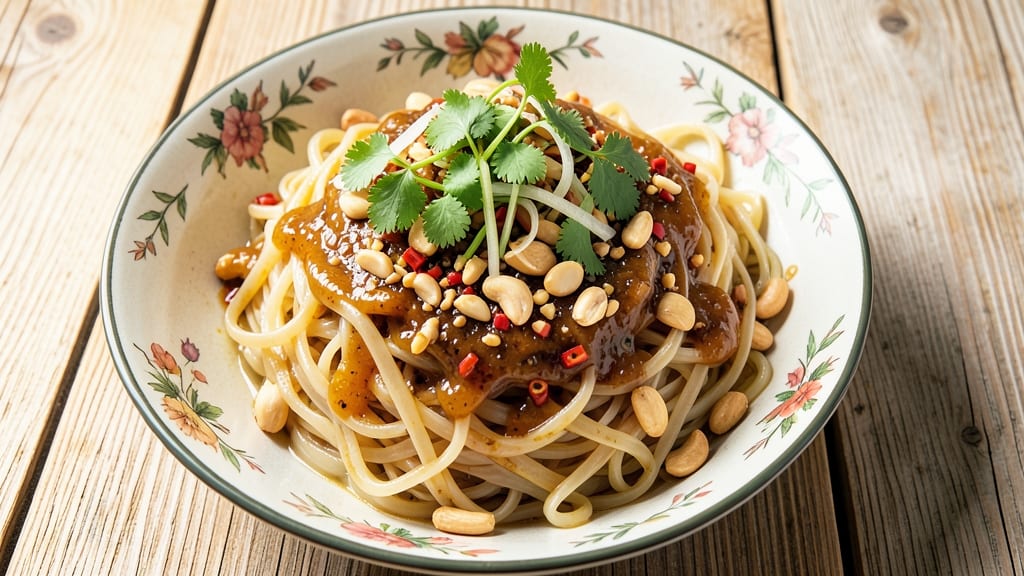
This Burmese noodle salad recipe brings the vibrant flavors of Myanmar to your table with its perfect balance of tangy tamarind, toasted peanuts, and fresh vegetables.
The dish, known as Yay Gyaw, starts with delicate rice noodles that soak up the bright lime-tamarind dressing while crisp vegetables and crunchy peanuts add texture.
I've perfected this recipe through years of experimenting with authentic Burmese techniques, ensuring every bite delivers that signature harmony of sweet, sour, and nutty flavors.
The foundation of this salad lies in its dressing—a zesty blend of tamarind paste, lime juice, garlic, and chili that transforms simple ingredients into something extraordinary. Toasted peanuts provide that signature crunch, while shredded cabbage, tomatoes, and herbs bring freshness.
What makes this dish truly special is how each component comes together: tender noodles, crisp vegetables, and the rich, aromatic dressing create a symphony of textures and flavors that will leave you craving more.
What you'll end up with is a refreshing yet satisfying salad that's perfect for a light lunch or a vibrant side dish. The tangy tamarind and lime dressing cuts through the richness of the peanuts, while the fresh vegetables and herbs keep it bright and invigorating.
This recipe is not only delicious but also incredibly versatile—you can easily adjust the spice level or add protein like fried egg or tofu to make it even more filling.
Whether you're serving this as a main dish or a side, it's sure to impress with its bold flavors and beautiful presentation. The key to success lies in balancing the dressing and ensuring the noodles are just right—neither too soft nor too firm.
Let's get started on creating this Burmese-inspired masterpiece that brings a taste of Southeast Asia to your kitchen.
Ingredients for burmese noodle salad
Simple ingredients that pack a punch of Burmese-inspired flavor and texture.
| Ingredient | Amount | Notes |
|---|---|---|
| Rice Noodles 🍜 | 8 oz | Flat, medium-width variety |
| Tamarind Paste 🍯 | ½ cup | Unadulterated, block form preferred |
| Lime Juice 🍋 | ½ cup | Freshly squeezed, seedless |
| Peanuts 🥜 | 1 cup | Raw, unsalted, skin-on preferred |
| Garlic Cloves 🧄 | 4 cloves | Minced, fresh preferred |
| Red Chili Peppers 🌶️ | 2 whole | Bird's eye or Thai chili, seeded |
| Green Cabbage 🥬 | 3 cups | Shredded, thinly sliced |
| Cherry Tomatoes 🍅 | 1 cup | Halved, vine-ripened preferred |
| Fresh Cilantro 🌿 | ¼ cup | Stems removed, chopped |
| Fresh Mint Leaves 🌿 | ¼ cup | Finely chopped, tender stems |
| Fish Sauce 🍶 | 1 tbsp | Red Boat brand preferred |
| Sugar 🍚 | 1 tbsp | Granulated, light brown preferred |
| Vegetable Oil 🫒 | 2 tbsp | For peanut toasting |
| Salt 🧂 | 1 tsp | Diamond Crystal kosher |
The tamarind paste is non-negotiable here—look for unadulterated blocks at Asian markets or bulk bins, not the sweetened paste in tubes. Red Boat fish sauce is my go-to for that authentic umami kick, but any quality brand works. For the peanuts, unsalted and skin-on gives the best crunch and flavor. Toast them in a dry pan until golden—don't skip the toasting, it's what makes them sing. The cabbage should be crisp, so cut it just before serving if possible. If you can't find bird's eye chilies, Thai chilies or serrano peppers work in a pinch, just adjust the heat to your taste.
No tamarind? Lime juice plus 1 tbsp date syrup gets you close, though it won't be identical. Running short on fish sauce? Soy sauce with a pinch of sugar mimics some of the flavor. The cilantro and mint are essential for that fresh finish, but if you're out, extra basil or Thai basil will work. For the noodles, rice stick noodles are traditional, but vermicelli or even spaghetti in a bind. Just soak them properly—cold water, 10-15 minutes, until pliable but still with bite. The dressing should be tangy-sweet with a kick—taste as you go and adjust the sugar or lime to balance.
Toasted peanuts keep for 2 weeks in an airtight container, but they lose crunch fast—best to toast fresh. The dressing stays vibrant for 3 days in the fridge, but the noodles are best eaten fresh. I like to prep everything ahead except the noodles—dressing, chopped veggies, and toasted peanuts can all wait until serving. For extra protein, add fried tofu or a soft-boiled egg just before serving. This salad tastes even better the next day as flavors meld, but the cabbage will get softer—add fresh cabbage if reusing.
Why You'll Love This Recipe
- No Boil Required: I just rinse the rice noodles in hot water for 2 minutes—no pot, no fuss. The tamarind paste does the heavy lifting, turning them silky without overcooking. Honestly, this is the kind of recipe where I can talk on the phone while making it.
- Tangy Crunch Magic: That first bite? The lime cuts through the richness of the peanuts while the tamarind paste adds this deep, funky sweetness. Between us, the garlic cloves—lightly toasted—give it a warmth that lingers. It’s the kind of flavor that makes you want to eat it straight from the bowl.
- Lunchbox Hero: I pack this cold or at room temp, and it stays fresh for days. Add a fried egg or shredded chicken for protein, or keep it veggie-packed for a quick office lunch. My daughter’s school even let her bring it—no weird looks, just empty containers.
- Pantry Staple Power: You’re already using what’s in your cupboard: peanuts, garlic, lime. Tamarind paste lasts forever, and rice noodles? Cheaper than takeout. I’ve made this for date night, potlucks, and even when I forgot to grocery shop—it’s my go-to when I’m low on options.
Step-by-step instructions for Burmese noodle salad
Here's how to make this vibrant, tangy salad with perfect textures and balanced flavors.
Prepare the Rice Noodles
Bring a large pot of water to a rolling boil. Add the 8 oz rice noodles and cook for 5-6 minutes until they're pliable but still slightly firm to the bite. They should float to the surface when done. Drain immediately and rinse under cold water to stop the cooking process. This prevents them from becoming mushy.
Spread the noodles on a clean kitchen towel and gently pat them dry. The noodles should be cool to the touch before assembling the salad. I like to let them cool completely so they don't soften further when mixed with the dressing.
Toast the Peanuts and Prepare the Dressing
Heat 2 tablespoons vegetable oil in a dry skillet over medium heat. Add the 1 cup peanuts and toast for 3-4 minutes, stirring constantly, until they're golden brown and fragrant. Watch closely—they burn quickly. Transfer the toasted peanuts to a plate to cool completely, then roughly chop them.
In a small bowl, whisk together the 0.5 cup tamarind paste, 0.5 cup lime juice, 1 tablespoon fish sauce, 1 tablespoon sugar, and 1 teaspoon salt. The mixture should be smooth and slightly thick. Taste and adjust the balance—you want tangy, sweet, and salty with just a hint of funk from the fish sauce.
Assemble the Vegetable Components
In a large mixing bowl, combine the 3 cups shredded green cabbage, 1 cup halved cherry tomatoes, 0.25 cup chopped fresh cilantro, and 0.25 cup chopped fresh mint leaves. Add the 4 cloves minced garlic and 2 seeded red chili peppers, finely chopped. Mix gently to distribute the ingredients evenly but avoid bruising the cabbage.
This is where the freshness comes alive. The cabbage should look vibrant green, and the tomatoes should add a juicy contrast. The chili peppers should be finely chopped so they distribute evenly throughout the salad without overwhelming any single bite.
Combine Everything and Finish
Add the cooled rice noodles to the vegetable mixture and toss gently to combine. Pour the tamarind dressing over the top and toss again, coating everything evenly. The noodles should absorb the dressing but remain distinct. If the salad looks too dry, add 1-2 tablespoons of water to loosen it.
Finally, sprinkle the chopped toasted peanuts over the top. The contrast of the crunchy peanuts against the soft noodles and fresh vegetables is what makes this salad truly special. Serve immediately while everything is still crisp and vibrant.
Pro Tips For Making Burmese Noodle Salad
- SOAK NOODLES SEPARATELY: If you toss the whole batch of rice noodles into boiling water, they’ll clump like a sad, mushy lump. Instead, divide them into 3-4 portions and soak each in cold water for 10-15 minutes—stirring every 5 minutes—until they’re just tender, not limp. The texture stays springy, not gluey, and they’ll hold up better when mixed with the dressing.
- TOAST PEANUTS LOW: I used to blast peanuts in a hot pan and end up with bitter, burnt bits. For this salad, keep the heat low and spread them out in a single layer—it takes 8-10 minutes, but they’ll stay fragrant and crunchy. High heat = wasted peanuts; low heat = the right kind of crunch.
- DILUTE TAMARIND FIRST: Tamarind paste is thick and stubborn. Skip the guesswork: mix 2 tablespoons of paste with ¼ cup warm water before adding lime juice or other liquids. Stir until smooth—no lumps—and then adjust the tang with lime. This guarantees a silky dressing, not a grainy mess.
- STORE LIME JUICE SMART: Fresh lime juice oxidizes fast, turning your dressing dull. If you’re prepping ahead, squeeze the juice into an ice cube tray, cover with plastic wrap, and freeze. Pop out a cube when needed—it thaws in seconds and keeps the bright, sharp flavor intact. No sad, flat dressing here.
Health benefits of burmese noodle salad
Digestive Harmony
This Burmese noodle salad is surprisingly gentle on digestion, thanks to its fresh vegetables and fermented tamarind dressing. The tamarind paste contains natural enzymes that aid digestion, while the shredded cabbage and tomatoes provide fiber for gut health.
I've noticed my digestion improves when I include this salad regularly—it's a fantastic alternative to heavy meals. 🌱
Protein-Packed Crunch
The toasted peanuts add a satisfying protein boost, with about 7 grams of protein per ¼ cup serving. This makes the salad more filling while keeping it light and refreshing.
For extra protein, I often add a soft-boiled egg or crispy tofu, which balances the dish beautifully without overpowering the delicate flavors.
Vitamin C Boost
The lime juice and fresh vegetables in this salad provide a powerful vitamin C punch—about 40% of your daily needs per serving. Vitamin C supports immune function and helps your body absorb iron from plant-based ingredients like peanuts. The cabbage and tomatoes also contribute antioxidants that fight inflammation. 💛
Energy Balance
Unlike many salads that rely on heavy dressings, this Burmese version balances sweet, sour, and savory flavors with complex carbs from the rice noodles. The tamarind and lime provide natural energy without the crash of refined sugar.
I've found it's perfect for keeping energy steady throughout the day, especially when paired with lean proteins.
Low-Calorie Satisfaction
At just 350-400 calories per serving, this salad delivers substantial flavor without excessive calories. The fiber from vegetables and protein from peanuts help you feel full longer, making it an excellent choice for mindful eating.
It's a great option when you want something light yet satisfying that won't leave you hungry an hour later.
Antioxidant Powerhouse
The combination of fresh herbs (cilantro and mint), tomatoes, and tamarind creates a potent antioxidant profile. These compounds help combat oxidative stress in your body. I especially love how the fresh herbs not only taste amazing but also contribute to overall wellness.
The peanuts add healthy fats that help your body absorb these beneficial compounds more effectively. ✨
Nutrition facts
Frequently asked questions
Can I use regular spaghetti instead of rice noodles?
While rice noodles are traditional, you can substitute with spaghetti in a pinch—but expect a different texture. Cook spaghetti al dente (1-2 minutes less than package instructions) and rinse well in cold water. The salad will be heartier, but the delicate flavor of rice noodles will be lost. For best results, use vermicelli or egg noodles as closer alternatives.
How do I adjust the spice level?
Start with 2 seeded chilies for mild heat, then adjust to taste. For extra spice, add 1-2 more chilies or a pinch of chili flakes. If the dressing feels too hot, balance it with ½ teaspoon more sugar or a splash of lime juice. Remember: the peanuts and cabbage help mellow the heat.
Can I make this salad ahead of time?
Prep the dressing, chop veggies, and toast peanuts 1 day ahead—they keep well in airtight containers. Store separately until ready to serve. Cook noodles fresh to maintain texture, but if needed, store cooked noodles in cold water for up to 2 hours before draining and mixing. The flavors meld beautifully overnight!
What's the best way to store leftovers?
Keep leftovers in an airtight container for 2-3 days in the fridge. The cabbage will soften, so add ½ cup fresh shredded cabbage when reheating. For longer storage, freeze the dressing separately and add fresh noodles/veggies when serving. The peanuts lose crunch when frozen—best to toast fresh each time.
Why does my dressing taste too sweet or sour?
Taste as you mix! If too sweet, add 1-2 tablespoons lime juice or ½ teaspoon fish sauce. For sourness, balance with ½ teaspoon sugar or a pinch of salt. The key is harmony—tangy, sweet, salty, and umami should all shine. Adjust gradually to avoid overcorrecting.