
Sauces & Condiments
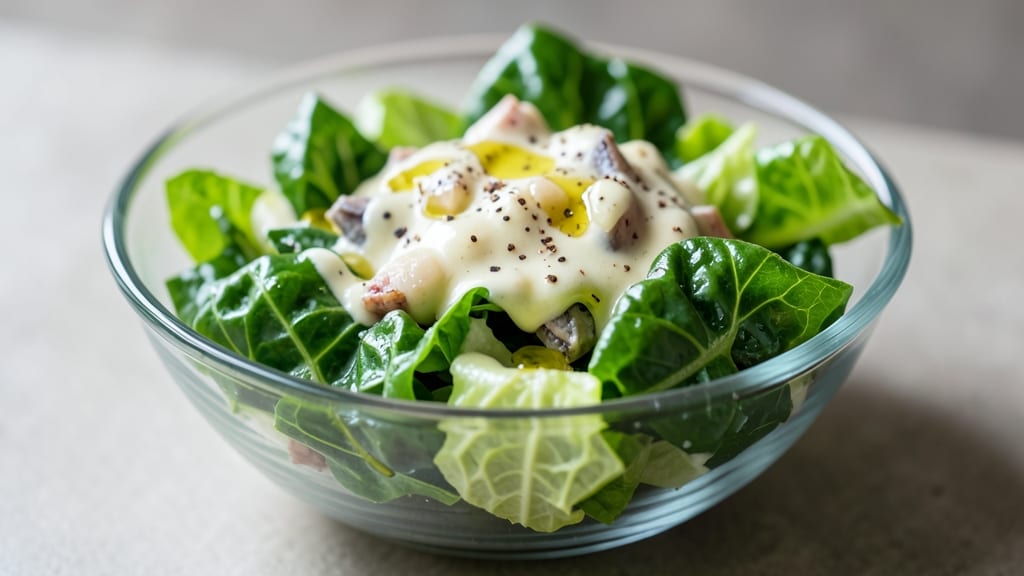
This Caesar salad dressing recipe with sardines transforms your greens into a restaurant-worthy experience without cooking. The secret lies in sardines' rich umami depth, which replaces anchovies while adding a luxurious creaminess that traditional recipes can't match.
I developed this version after years of perfecting Caesar dressings, and the sardine twist is the game-changer that makes it stand out.
The beauty of this recipe is its simplicity—just blend together the wet ingredients (mayonnaise, Dijon, lemon, and sardines) with the dry components (garlic, Worcestershire, and Parmesan) until perfectly emulsified.
The sardines dissolve seamlessly, creating a velvety texture that coats every leaf while delivering a savory punch that elevates even the most basic salad. No cooking required, just blending and tasting.
What you'll end up with is a dressing that's richer than traditional Caesar but still bright and tangy, with a depth of flavor that comes from the sardines' natural oils and umami richness.
The emulsion stays stable for days, making it perfect for meal prep or gifting. This isn't just dressing—it's a flavor experience that transforms simple greens into a gourmet dish.
Use it immediately on crisp romaine or store it in the fridge for up to 5 days, where the flavors will deepen and intensify. The possibilities are endless—drizzle over grilled chicken, pair with crusty bread, or use as a marinade for seafood. Here's how to make it perfectly every time.
Ingredients for caesar salad dressing recipe with sardines
Ten essential ingredients blend into a luxurious Caesar dressing with restaurant-quality depth and umami richness.
| Ingredient | Amount | Notes |
|---|---|---|
| Canned Sardines in Olive Oil 🐟 | 4 whole | High-quality, drained of oil |
| Mayonnaise 🥫 | ½ cup | High-quality, full-fat preferred |
| Dijon Mustard 🍯 | 1 tbsp | Moutardier brand if available |
| Fresh Lemon Juice 🍋 | 1 ½ tbsp | Freshly squeezed, no pulp |
| Garlic Cloves 🧄 | 1 whole | Fresh, peeled, minced finely |
| Worcestershire Sauce 🫒 | 1 tbsp | Anchovy-free version preferred |
| Parmesan Cheese 🧀 | ½ cup | Freshly grated, aged minimum 24 months |
| Extra-Virgin Olive Oil 🫒 | ¼ cup | For finishing, fruity variety |
| Kosher Salt 🧂 | ½ tsp | Diamond Crystal preferred |
| Freshly Ground Black Pepper 🌶️ | ¼ tsp | Freshly cracked preferred |
The sardines are the heart of this dressing—high-quality canned sardines in olive oil from Wild Planet or Vital Choice provide the richest umami punch. Look for brands that specify sustainable fishing practices, as the quality of sardines directly impacts the dressing's depth of flavor. Fresh garlic and aged Parmesan (minimum 24 months) are non-negotiable; the nutty complexity of aged cheese elevates the dish significantly. The mayonnaise should be full-fat for optimal emulsion—Duke's or Hellmann's work well, but avoid anything with added sugar or preservatives.
No anchovy-free Worcestershire? Substitute with a mix of soy sauce and a dash of balsamic vinegar—it won't be identical, but it bridges the flavor gap. Running short on fresh lemon juice? Bottled lemon juice with no added sugar works in a pinch, though freshly squeezed delivers brighter acidity. The Dijon mustard can be swapped for whole-grain mustard if preferred, though it may alter the texture slightly. For a lighter dressing, reduce the mayonnaise by half and compensate with an extra tablespoon of olive oil—just be prepared for a slightly less stable emulsion.
This dressing maintains its velvety texture for up to 5 days when stored in an airtight container in the fridge. For longer storage, transfer to a sterile jar and freeze for up to 3 months. The emulsion may separate slightly upon thawing—simply whisk vigorously to restore its luxurious consistency. Sardine oil can rise to the top; stir gently before each use to redistribute. The dressing pairs beautifully with crisp romaine, grilled chicken, or even as a marinade for seafood—its versatility makes it a pantry staple worth repeating.
Why You'll Love This Recipe
- No Pantry Panic: I keep a can of sardines in olive oil on hand just for this—no last-minute grocery runs, no stress. The oil-packed sardines add richness without extra work, and that lemon juice? Freshly squeezed in 30 seconds while the mayo sits.
- Umami Bomb: Between us, the sardines turn this Caesar from good to dangerously addictive. That briny, garlicky punch cuts through the mayo’s creaminess, while the Dijon mustard ties it all together like a secret handshake. Honestly, I’ve made Caesar dressing before—but this? This stays in rotation.
- Weeknight Magic: Dressing made in five minutes becomes the star of lazy nights. Drizzle it over greens for a salad, toss it with grilled chicken, or even slather it on crusty bread with a sprinkle of Parmesan. (Yes, even on a Tuesday night when you’re too tired to think.)
- Budget Power Move: A single can of sardines stretches across multiple dressings—no waste, no guilt. The mayo and mustard are pantry staples, and garlic? You’re probably already crushing cloves for other meals. This is the kind of recipe that saves money without sacrificing flavor.
Step-by-step instructions for sardine Caesar dressing
This umami-rich dressing comes together in minutes with no cooking required.
Prepare the Sardines for Maximum Flavor
Open the 4 whole canned sardines in olive oil and drain them completely, reserving 2 tablespoons of the oil from the can. Using a fork, gently mash each sardine individually in a small bowl until you achieve a chunky but smooth paste. The texture should be like thick, flavorful hummus rather than a fine purée—this ensures a creamy yet textured dressing.
Here's the thing—don't skip draining the sardines thoroughly. Any excess oil will make your dressing too thin and dilute the concentrated umami flavor you're working so hard to achieve. Transfer the mashed sardines to your mixing bowl once fully drained and ready.
Combine Wet Ingredients for a Smooth Base
Add the 0.5 cup mayonnaise, 1 tbsp Dijon mustard, 1.5 tbsp fresh lemon juice, 1 tbsp Worcestershire sauce, and the reserved 2 tablespoons sardine oil to the mashed sardines. Using a hand mixer or whisk, blend these ingredients together on medium speed for 1-2 minutes until completely smooth and homogeneous.
This is where the magic happens—the mayonnaise provides the creamy foundation while the lemon juice brightens the deep umami notes from the sardines. The Worcestershire sauce adds that signature savory depth that makes classic Caesar dressing sing. Don't rush this blending process; you want every component fully incorporated so the final dressing tastes cohesive, not like separate elements.
Incorporate Aromatics and Seasonings
Add the 1 whole minced garlic clove, 0.5 cup freshly grated Parmesan cheese, 0.5 tsp kosher salt, and 0.25 tsp freshly ground black pepper to the wet mixture. Using a silicone spatula, fold these ingredients together gently but thoroughly. The texture should remain thick and spreadable—like a rich, velvety sauce.
I like to press the Parmesan through a fine-mesh sieve to eliminate any large cheese particles that could make the dressing grainy. The freshly ground black pepper should be visible as tiny specks throughout—this indicates proper distribution. Taste the mixture at this stage and adjust seasonings if needed; you might need an extra pinch of salt or pepper to balance the sardine's natural saltiness.
Finish with Olive Oil for Elegance
Drizzle in the 0.25 cup extra-virgin olive oil while whisking continuously. The dressing should become glossy and slightly thinner, with a luxurious sheen that indicates proper emulsification. Whisk for an additional 30 seconds to fully incorporate the oil and create that signature Caesar dressing texture.
This final step is crucial for achieving the perfect mouthfeel. The olive oil not only adds richness but also creates that signature cling to romaine lettuce. The dressing should coat the back of a spoon smoothly without being runny. If it's too thick, add 1 teaspoon water or lemon juice at a time until you reach your desired consistency. For best results, let the dressing rest in the refrigerator for at least 30 minutes before serving to allow all the flavors to meld completely.
Pro Tips For Making Caesar Salad Dressing Recipe With Sardines
- Crush the Sardines First: Drain those canned sardines but don’t rinse—just mash them right in the can with a fork until they’re a rough paste. The olive oil they’re packed in adds richness, and skipping this step leaves you with awkward chunks that fight with the mayo.
- Toast the Garlic Lightly: Sauté the minced garlic in a dry pan for 30 seconds until it smells nutty, not burnt. Cold raw garlic overpowers this dressing, but even a quick toast makes it sing without turning bitter.
- Balance the Mayo with Lemon: Start with half the lemon juice called for, taste, then add the rest gradually. Mayo can get heavy fast, and sardines are salty—acid cuts through both. I learned this the hard way when my first batch tasted like a mayo sandwich.
- Whisk in the Mustard Slowly: Don’t dump the Dijon all at once—add it tablespoon by tablespoon while whisking constantly. This prevents lumps and lets you adjust the tang to your taste without ending up with a condiment that’s more mustard than Caesar.
Perfect pairings for this caesar salad dressing recipe with sardines
Romaine Perfection
This dressing elevates crisp romaine lettuce to new heights—its creamy texture clings beautifully to the leaves while the sardine umami transforms each bite. I recommend using hearts of romaine for the most dramatic presentation, but even baby romaine works perfectly.
For extra decadence, toss in toasted croutons or crispy prosciutto before drizzling the dressing. 🥗
Protein Pairings
Grilled chicken breast is the classic match, but I love this dressing on seared scallops or pan-seared salmon—the sardine notes complement seafood beautifully. For a heartier option, serve with crispy duck breast or smoked turkey slices. The dressing's richness balances lean proteins without overwhelming them.
Bread & Dips
Don't limit this to salads! Use it as a luxurious dip for garlic bread, focaccia, or warm baguette slices. I also love spreading it on avocado toast or crusty sourdough for a brunch-worthy treat. The sardine depth adds a sophisticated twist to simple bread pairings.
Seafood Marinade
This dressing doubles as an amazing marinade for shrimp, calamari, or white fish fillets. Let the seafood marinate for 15-20 minutes before cooking—it infuses incredible flavor without overpowering. I use it on shrimp skewers grilled over mesquite charcoal for a restaurant-quality dish at home. 🍤
Pasta Twist
Toss this dressing with chilled spaghetti or linguine for an instant Caesar pasta—skip the croutons and add shaved Parmesan on top. It's a game-changer for quick weeknight meals. For extra richness, stir in crispy bacon bits or fried capers at the end.
Storage & Reuse
The dressing keeps well for 5 days in the fridge, making it perfect for meal prep. I store it in a glass jar with a tight-sealing lid. After opening, it works beautifully on overnight oats (yes, really!) or as a dipping sauce for vegetable sticks and chips.
The flavors only deepen over time, so make extra! 💫
Nutrition facts
Frequently asked questions
Why use sardines instead of anchovies in Caesar dressing?
Sardines add a richer, creamier texture while delivering more umami depth than anchovies. Their natural oils create a velvety consistency that clings beautifully to greens, while their mild sweetness balances the dressing's tangy and savory notes. Plus, sardines provide extra protein and healthy fats that traditional Caesar dressings lack.
Can I make this dressing without mayonnaise?
Yes, but the texture will be thinner and less stable. Replace the mayonnaise with 0.25 cup Greek yogurt or 0.25 cup sour cream for a lighter version, or use 0.25 cup olive oil plus 1 tbsp lemon juice for a vinaigrette-style dressing. The emulsion will separate more easily, so whisk vigorously before each use.
How do I fix a broken emulsion?
If your dressing separates, whisk in 1 tsp Dijon mustard or 1 tsp lemon juice to help re-emulsify. For a thicker dressing, add 1 tbsp mayonnaise or Greek yogurt and blend until smooth. If it's too thin, stir in 1 tsp cornstarch mixed with 1 tsp water to thicken. Always blend gently to avoid incorporating air bubbles.
What's the best way to store leftover dressing?
Transfer to an airtight container and refrigerate for up to 5 days. For longer storage, freeze in a sealed jar for 3 months. Thaw overnight in the fridge—never at room temperature—and whisk gently to restore texture. The flavors actually improve with time, becoming more complex and balanced.
Can I use this dressing on non-salad dishes?
It's perfect for grilled seafood, crusty bread dips, or even as a pasta sauce when tossed with chilled noodles. The sardine umami enhances proteins like chicken, shrimp, or duck beautifully. For a twist, use it as a marinade for 15-20 minutes before cooking.