
Side Dishes
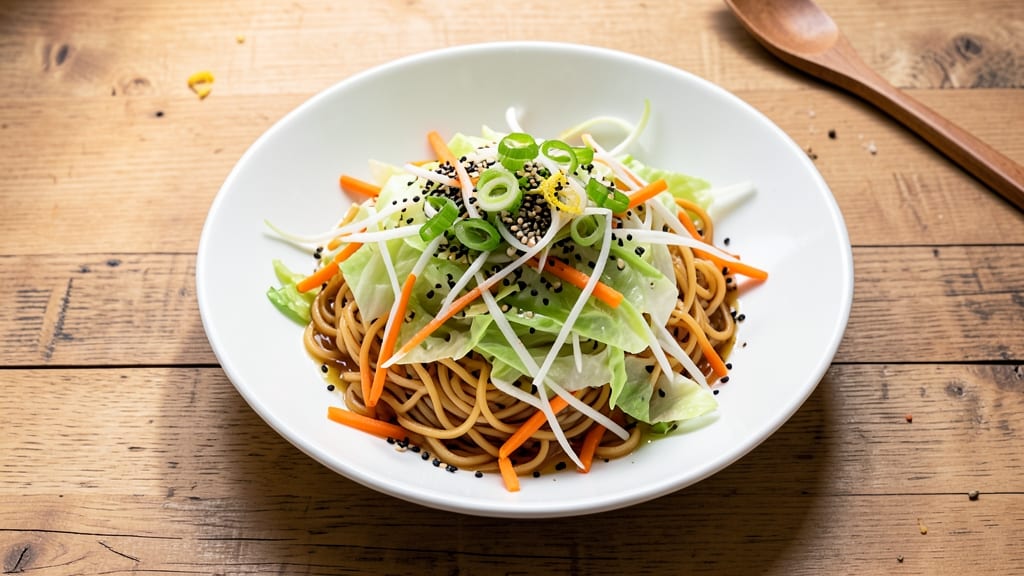
This Japanese cabbage and ramen noodle salad transforms simple ingredients into a crunchy, umami-packed dish that bridges comfort food and fresh flavors. The secret lies in perfectly cooked ramen noodles—whether standard or vegetarian—paired with crisply shredded cabbage and a tangy dressing that balances sweet, salty, and acidic notes.
I developed this recipe after craving something hearty yet light, and it became an instant weeknight favorite that also works as a standalone meal.
The beauty of this salad is its adaptability—use store-bought ramen for convenience or homemade noodles for deeper flavor. Thinly sliced cabbage and carrots add satisfying texture, while green onions and sesame seeds bring freshness and crunch.
The dressing, a simple blend of soy sauce, rice vinegar, sesame oil, and a touch of sugar, elevates everything with its bold umami zing—no complicated techniques required.
What you’ll end up with is a dish that’s refreshing yet filling, with noodles that stay chewy and cabbage that holds its crispness. The flavors meld beautifully as you toss everything together, creating a perfect balance of savory, tangy, and slightly sweet.
It’s the kind of salad that disappears quickly, whether served as a side or a main dish.
Best of all, this recipe scales effortlessly—double the ingredients for meal prep or halve it for a light lunch. The key is timing: cook the noodles just right, prep the veggies while they cool, and assemble when everything is at its peak. Let’s get started!
Ingredients for japanese cabbage salad recipe with ramen noodles
Eight essential ingredients transform into a vibrant, umami-rich salad that balances chewy noodles with crisp veggies.
| Ingredient | Amount | Notes |
|---|---|---|
| Japanese Cabbage 🥬 | 1 lb | Thinly shredded, core removed |
| Ramen Noodles 🍜 | 8 oz | Vegetarian or standard variety |
| Carrots 🥕 | 2 whole | Julienned into thin matchsticks |
| Green Onions 🧅 | 4 whole | Thinly sliced, white and green parts |
| Sesame Seeds 🌱 | 2 tbsp | Toasted lightly for aroma |
| Soy Sauce 🍶 | 3 tbsp | Low-sodium preferred |
| Rice Vinegar 🍶 | 2 tbsp | Seasoned variety for depth |
| Sesame Oil 🫒 | 1 tbsp | Toasted for authentic flavor |
| Granulated Sugar 🍚 | 1 tbsp | Balances acidity |
| Toasted Sesame Oil 🫒 | 1 tsp | For final drizzle |
| Sesame Seeds 🌱 | 1 tbsp | Extra for garnish |
| Vegetable Oil 🫒 | 1 tbsp | For cooking noodles |
| Salt 🧂 | 1 tsp | Kosher or sea salt |
The Japanese cabbage is the texture anchor—look for vibrant, crisp heads at Asian markets or the produce section. Trader Joe's often carries pre-shredded versions, but fresh is ideal. Carrots should be firm with no soft spots; julienne them yourself for perfect matchsticks. For ramen, Nissin or Maruchan vegetarian noodles are reliable, but homemade wheat noodles elevate the dish dramatically. The green onions add freshness, so choose ones with bright green tops and white stems.
No sesame oil? Toasted peanut oil at half the amount works in a pinch, though it lacks authentic nuttiness. Substituting white vinegar for rice vinegar requires double the acidity—start with 1 tbsp and adjust. The sugar can be swapped for agave nectar or honey (though honey isn't vegetarian), but granulated keeps it balanced. For extra crunch, add thinly sliced cucumber or bell pepper. The dressing components must be measured precisely—soy sauce's saltiness and vinegar's acidity need perfect harmony.
Prep the cabbage and carrots first—they soften quickly. Cook noodles just shy of package instructions for chewy texture, then rinse in cold water to stop cooking. Store components separately: cabbage/carrots in airtight containers for 3 days, cooked noodles for 2 days. Assemble just before serving to maintain crispness. The dressing keeps 1 week refrigerated—shake well before using as ingredients settle. Double the recipe for easy meal prep; the flavors deepen overnight.
Why You'll Love This Recipe
- Here’s what sold me: the ramen noodles. They’re not just filler—they soak up the dressing like a sponge, turning this into a hearty bowl. Toss in a little sesame oil and toasted sesame seeds, and suddenly you’ve got that savory, nutty depth that makes it taste like a full meal, not just a side.
- No-Chop Nightmare: I swear by this when I’m too tired to julienne. Shred the carrots once, slice the cabbage into wide ribbons—no knife skills required—and the noodles? Just boil and drain. That’s it. The crunch from the raw cabbage and carrots does all the work for you.
- Umami Bomb: Here’s what sold me: the ramen noodles. They’re not just filler—they soak up the dressing like a sponge, turning this into a hearty bowl. Toss in a little sesame oil and toasted sesame seeds, and suddenly you’ve got that savory, nutty depth that makes it taste like a full meal, not just a side.
- Lunchbox Hero: Between us, this is my go-to for packed lunches. The cabbage stays crisp for days, the noodles hold up surprisingly well, and the dressing keeps everything fresh. I’ll be real: my kids actually eat their veggies when it’s mixed in here. (Yes, even on a Tuesday night.)
Step-by-step instructions for Japanese cabbage and ramen noodle salad
This fusion dish combines crisp textures and bold umami flavors through precise preparation.
Prepare and Blanch the Vegetables
Cut the 1 lb Japanese cabbage in half lengthwise, remove the core, and thinly shred using a mandoline or sharp knife. Transfer to a large mixing bowl. Peel the 2 whole carrots and julienne them into thin matchsticks using a peeler or knife. Thinly slice the 4 whole green onions, separating the white and green parts.
Bring a medium pot of water to a boil and prepare an ice bath. Add the shredded cabbage and carrots to the boiling water and blanch for 30 seconds—just enough to soften slightly without losing texture. Immediately transfer to the ice bath to stop cooking. Drain well and return to the bowl. This step ensures the vegetables stay crisp while developing flavor.
Cook the Ramen Noodles
Boil a separate pot of water and add 1 tsp salt (kosher or sea salt). Add the 8 oz ramen noodles and cook for 2 minutes less than package instructions—al dente is key. Drain immediately and rinse under cold water to stop cooking and remove excess starch. Toss the noodles with 1 tbsp vegetable oil to prevent sticking and distribute evenly.
This brief cooking time preserves the noodles' bite, creating the perfect contrast with the tender cabbage. The oil coating also helps distribute the dressing evenly later. Don't skip the cold water rinse—it prevents a gummy texture in the final salad.
Create the Dressing
In a small bowl, whisk together 3 tbsp soy sauce, 2 tbsp rice vinegar, 1 tbsp granulated sugar, and 1 tbsp sesame oil until the sugar dissolves completely. Taste and adjust seasoning with additional salt if needed. The dressing should balance salty, tangy, and slightly sweet notes—this is where the umami magic happens.
Toast 2 tbsp sesame seeds in a dry skillet over medium heat for 1-2 minutes until fragrant. Set aside for garnish. The toasted seeds add nutty depth and visual contrast to the salad's vibrant colors.
Assemble the Salad
In a large bowl, combine the blanched cabbage, carrots, green onion whites, and cooked noodles. Pour the dressing over the mixture and toss gently but thoroughly to coat all components evenly. Let the salad marinate for 5 minutes to allow flavors to meld.
Garnish with the remaining 1 tbsp sesame seeds and green onion greens. Drizzle lightly with 1 tsp toasted sesame oil just before serving. The final drizzle adds an aromatic finish that elevates the dish's complexity.
Serve Immediately for Best Texture
Divide the salad among 4 plates and serve right away. The contrast of crisp cabbage, tender noodles, and crunchy carrots creates an addictive texture profile. The umami-rich dressing ties everything together while keeping the dish light and refreshing.
This salad holds well for 1 hour at room temperature, but the noodles will soften slightly over time. For best results, assemble and serve immediately after tossing. Pair with grilled proteins or enjoy as a standalone vegetarian dish.
Pro Tips For Making Japanese Cabbage Salad Recipe With Ramen Noodles
- Blanch Cabbage First: Drop the whole cabbage head into boiling water for 30 seconds—just until the leaves soften and separate. This trick makes shredding a breeze and guarantees even cooking later, so you’re not left with a sad, limp pile of raw bits in your salad.
- Save the Ramen Water: Don’t drain those noodles into the sink—strain them and reserve 1 cup of the starchy cooking water. Toss it into the salad at the end; it binds everything together like a cheap but effective dressing and keeps the noodles from drying out.
- Shred Carrots Fine: Use a mandoline or the sharpest grater you own—thin, uniform shreds cook faster and hold their crunch better. Thick strips turn mushy and ruin the texture contrast, and nobody wants that sad, soggy carrot situation.
- Toast Sesame Seeds Dry: Warm them in a dry pan over medium-low for 2–3 minutes until they smell nutty and golden. Cold sesame seeds just sit there like decorative confetti; toasted ones add real depth to every bite. (Yes, even if you’re impatient like me.)
Troubleshooting your japanese cabbage salad recipe with ramen noodles
Noodles Too Soft
If your ramen noodles turn mushy, you likely overcooked them. Always cook them 2 minutes less than package instructions—al dente is key. Rinse immediately in cold water to stop cooking and remove excess starch.
I’ve found vegetarian ramen tends to soften faster, so monitor closely. For extra chew, try drying them on a towel after rinsing before tossing with veggies. 🥬
Dressing Too Salty
Too much soy sauce can overpower the dish. Start with 3 tbsp low-sodium soy sauce and taste before adding more. If needed, balance with ½ tsp sugar or a splash of rice vinegar.
I’ve learned to whisk the dressing first before adding it to the salad—this helps distribute flavors evenly. For a milder taste, reduce to 2 tbsp soy sauce and boost umami with 1 tsp sesame paste.
Vegetables Too Crunchy
If your cabbage and carrots stay overly firm, extend the blanching time to 45 seconds for a slight softening. For extra tenderness, massage the shredded cabbage with 1 tsp sesame oil for 2 minutes before blanching.
If they’re still tough, try thinner slices—a mandoline works best. Pro tip: Chill the veggies for 10 minutes after blanching to enhance crispness. ✨
Dressing Separates
The dressing may split if the sesame oil and vinegar aren’t emulsified properly. Whisk vigorously for 30 seconds or use a hand mixer for a smoother texture. For extra insurance, add 1 tsp cornstarch mixed with 1 tsp water to the dressing—this acts as a natural thickener.
I’ve also had success adding ½ tsp Dijon mustard to help bind the ingredients. Store dressing in an airtight container and shake well before using. 💡
Salad Too Watery
Excess moisture often comes from over-blanched veggies or un-drained noodles. Pat the cabbage and carrots dry with a clean towel after blanching. For noodles, drain thoroughly and rinse in cold water to remove surface starch.
If the salad still seems wet, let it sit uncovered for 5 minutes before tossing with dressing. For a drier texture, add 1 tbsp toasted sesame seeds—they absorb excess moisture while adding crunch. 🌱
Flavor Too Mild
If the umami zing is missing, boost the dressing with 1 tsp fish sauce (for non-vegetarian) or 1 tsp miso paste (vegetarian). Add a pinch of white pepper for depth or 1 tsp grated ginger for warmth.
I’ve also found that toasting the sesame seeds longer (up to 3 minutes) intensifies their nutty flavor. For extra richness, drizzle with 1 tsp toasted sesame oil just before serving. 🔥
Nutrition facts
Frequently asked questions
Can I use regular ramen noodles or do I need vegetarian?
You can absolutely use standard ramen noodles, but check the ingredients first. Traditional ramen contains chicken or pork broth, which makes this dish non-vegetarian. For a fully vegetarian version, opt for noodles labeled "vegetarian" or "vegan"—brands like Nissin or Maruchan offer great options. The flavor difference is minimal as long as you adjust the dressing seasoning to taste.
How do I keep the cabbage extra crisp?
Blanching is key—only cook the cabbage and carrots for 30 seconds in boiling water, then immediately shock them in ice water. After draining, pat them completely dry with a clean towel. For maximum crunch, store the prepped veggies in an airtight container with a paper towel to absorb moisture. Assemble the salad just before serving to maintain that satisfying bite.
Can I make this ahead of time?
Yes, but with some adjustments. Prep the dressing and store it separately for up to 1 week in the fridge. Cook the noodles al dente, rinse in cold water, and store them in an airtight container for 2 days. Keep the shredded cabbage and carrots separate for 3 days maximum. When ready to serve, toss everything together and let it sit for 5 minutes before eating to allow flavors to meld. The noodles will soften slightly over time.
What if I don't have sesame oil?
No problem! You can substitute with 1 tsp toasted peanut oil or even ½ tsp avocado oil for a neutral alternative. For authentic flavor, add ½ tsp ground sesame seeds directly to the dressing instead. The nutty depth will still come through, though it won't be identical. If you're avoiding nuts entirely, a splash of toasted coconut oil works in a pinch.
How can I make this spicier?
Add heat by mixing ½ tsp gochujang (Korean chili paste) or ¼ tsp red pepper flakes into the dressing. For a smoky kick, include ½ tsp smoked paprika. If you love fresh chili, finely mince 1 Thai chili and toss it with the veggies before adding the dressing. Balance the heat with an extra ½ tsp sugar in the dressing to prevent overpowering the dish.